
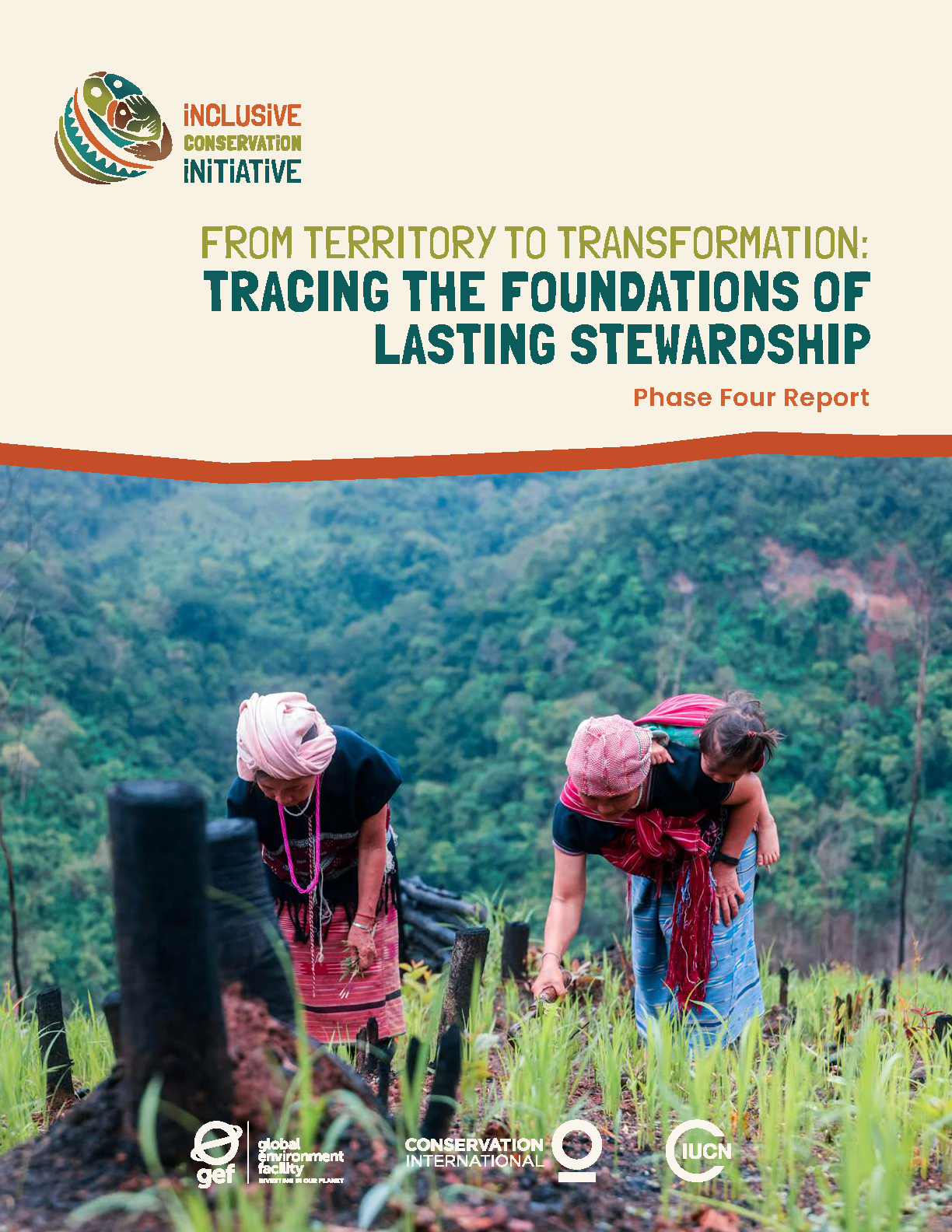
ICI Report | Inclusive Conservation Initiative (ICI) Phase Four Report - From Territory to Transformation: Tracing the Foundations of Lasting Stewardship
The Inclusive Conservation Initiative (ICI) Phase 4 Report provides a comprehensive overview of how direct, long-term financing is supporting Indigenous Peoples (IPs) and Local Communities (LCs) to drive lasting conservation outcomes and territorial transformation. Drawing on four years of implementation across 12 countries, the report highlights how IPs and LCs are strengthening institutions, securing rights and territories, advancing inclusive leadership, and applying their knowledge systems to deliver conservation at scale. Supported by the Global Environment Facility (GEF), the report also demonstrates how Indigenous-led stewardship is helping shape more direct and rights-based approaches to conservation finance.
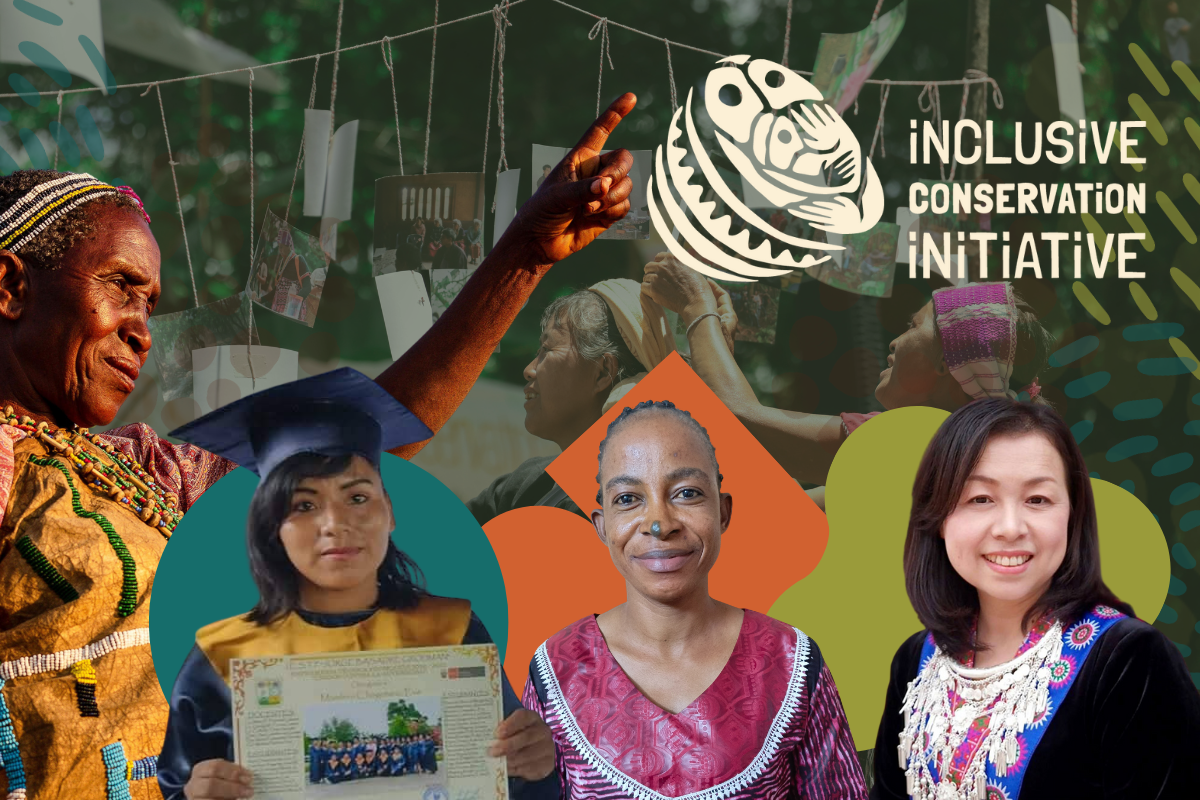
ICI Podcast series: Indigenous Women Redefining Science
This podcast series explores how Indigenous women are reshaping the meaning of science through ancestral knowledge, lived experience, and community leadership. Across regions, the series highlights how Indigenous knowledge systems contribute to biodiversity conservation, health, governance, and cultural continuity, challenging conventional definitions of science and who gets to define it.
Episode Four | Nittaya Earkanna: Ancestral Knowledge Is Science
In the second part of this episode, Nittaya “Mee” Earkanna reflects on intergenerational knowledge, barriers Indigenous women face in accessing leadership and funding, and the role of Indigenous women in shaping more inclusive futures for conservation.
Episode Three, Part One | Nittaya Earkanna: Education, Equality, and Cultural Survival
This episode features Nittaya “Mee” Earkanna, an Indigenous Hmong leader from Thailand, who reflects on the role of identity, language, and ancestral knowledge in shaping conservation, leadership, and cultural s.urvival
Episode Two | Indigenous Women Redefining Science
In this episode of ICI’s Indigenous Women Redefining Science series, Esther Ngalula of ANAPAC (Democratic Republic of Congo) shares how Indigenous Batwa women are combining ancestral knowledge with tools like participatory mapping and GPS to protect biodiversity and strengthen leadership.
Episode One | Indigenous Women Redefining Science
Part of ICI’s podcast series Indigenous Women Redefining Science, this episode takes listeners to the Peruvian Amazon, where Eva Mambiro, an Indigenous nurse and researcher from FENAMAD, shares how ancestral knowledge informs community health, nutrition, and care, demonstrating how science exists in forests, communities, and lived experience.
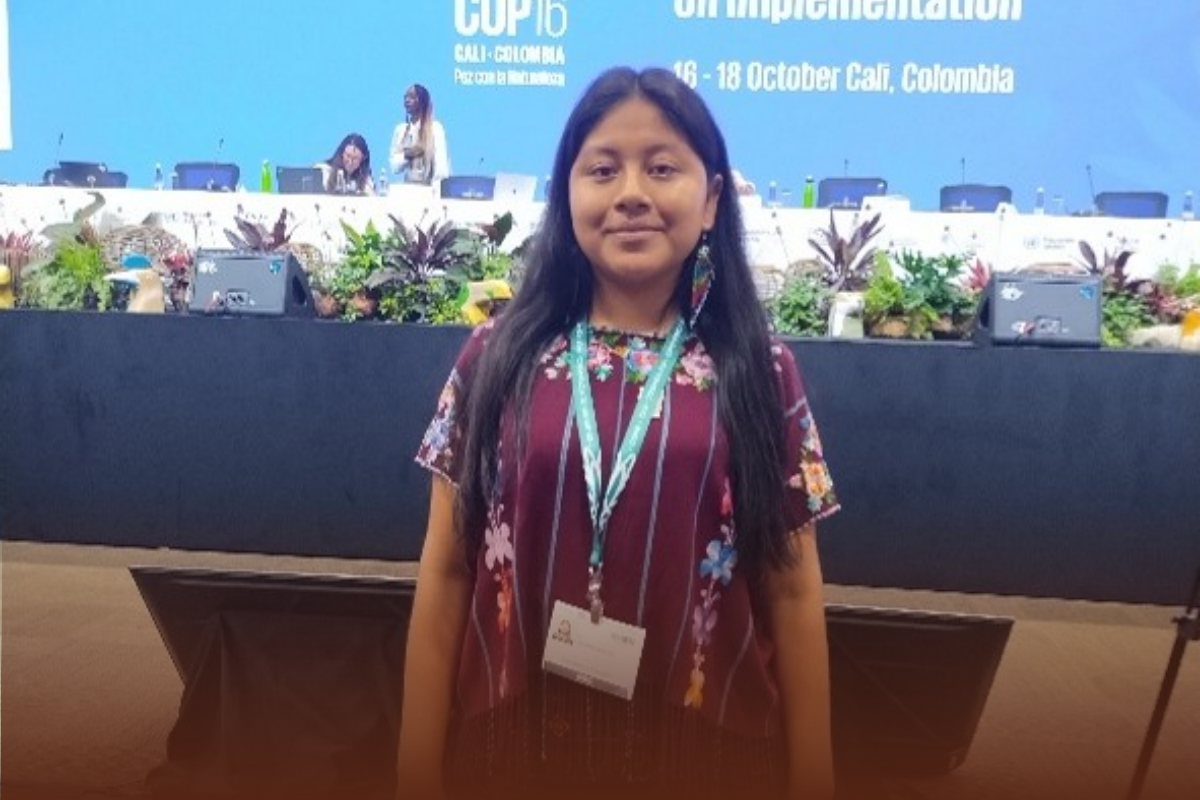
Learning, Leading, and Giving Back: My Journey as an ICI Fellow
In this reflection, Krizzley Ordoñez, a Maya Mam Indigenous leader from Guatemala and member of the 2nd cohort of the ICI International Environmental Policy Fellowship, shares how the fellowship strengthened her leadership and expanded community participation—particularly among youth and women—as she concludes her fellowship journey.
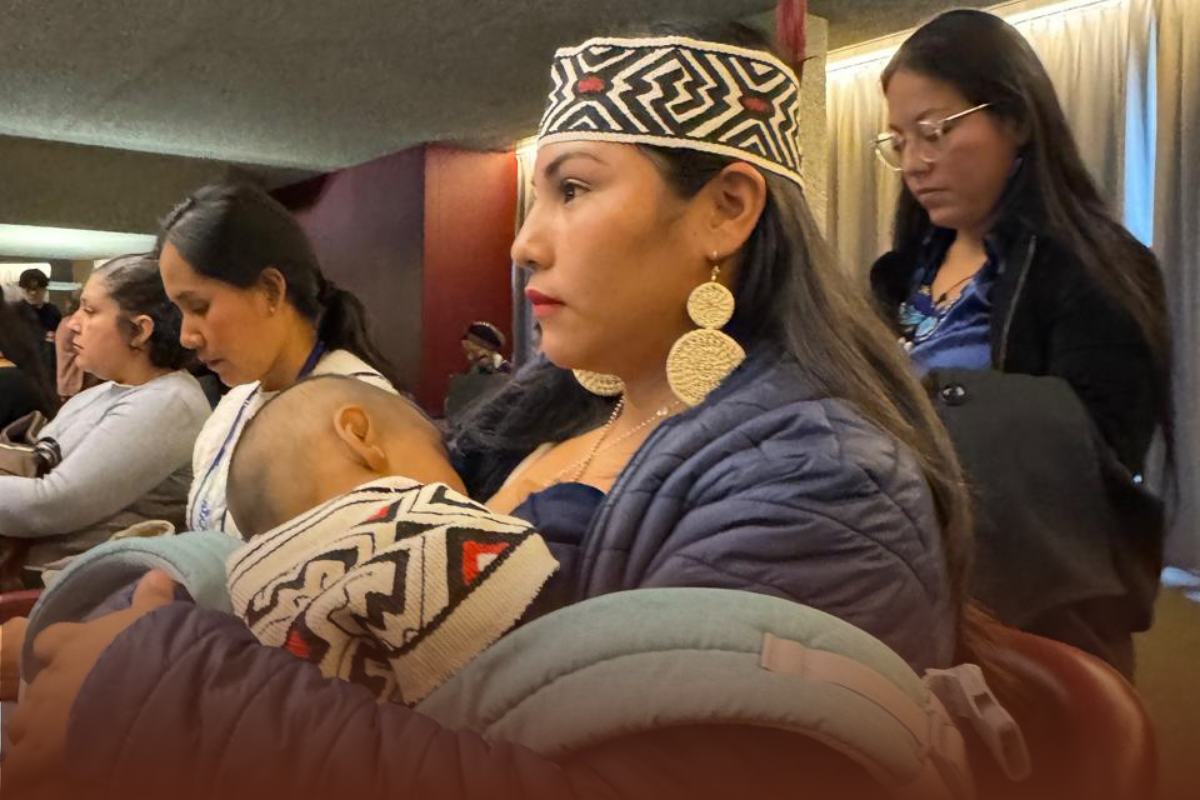
When Support Arrives On Time: Caring For Life From The Territory
In this reflection, Maglin Reonela Alvarado Vargas, a Yine Indigenous leader from Peru and member of the 2nd cohort of the ICI International Environmental Policy Fellowship, shares how long-term support enabled her community to address mercury contamination from gold mining while strengthening leadership, collective decision-making, and territorial protection.
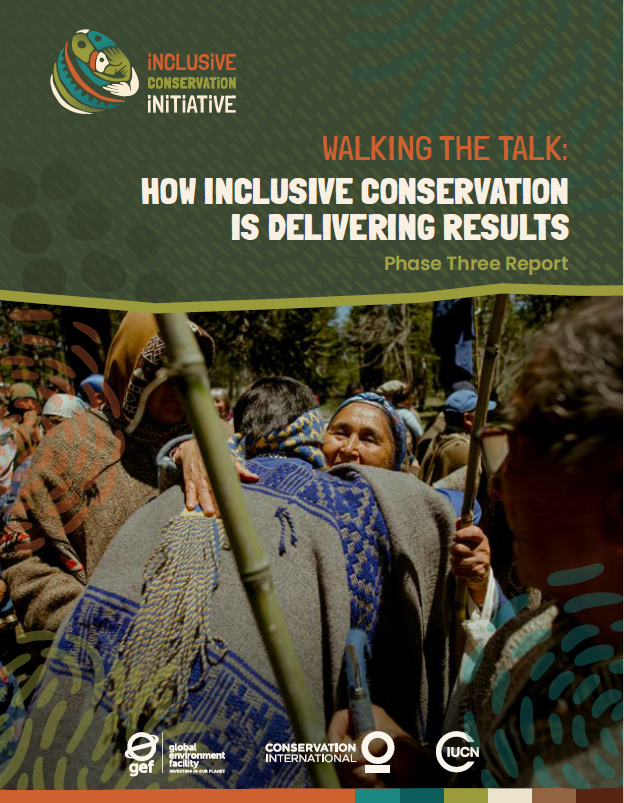
ICI Report | Inclusive Conservation Initiative Phase 3 Report – Walking the Talk: How Inclusive Conservation is Delivering Results
Phase 3 marks ICI’s transition from design to delivery, with Indigenous-led organizations across 12 countries directly managing conservation efforts at scale. The report highlights how Indigenous governance, gender-responsive systems, and culturally grounded monitoring are now shaping national policies and global agendas—offering a replicable model for rights-based, community-led conservation that works. With direct access to finance and decision-making power, they advanced land rights, governance, gender equity, and policy influence—proving that Indigenous-led action is critical to effective, scalable conservation.
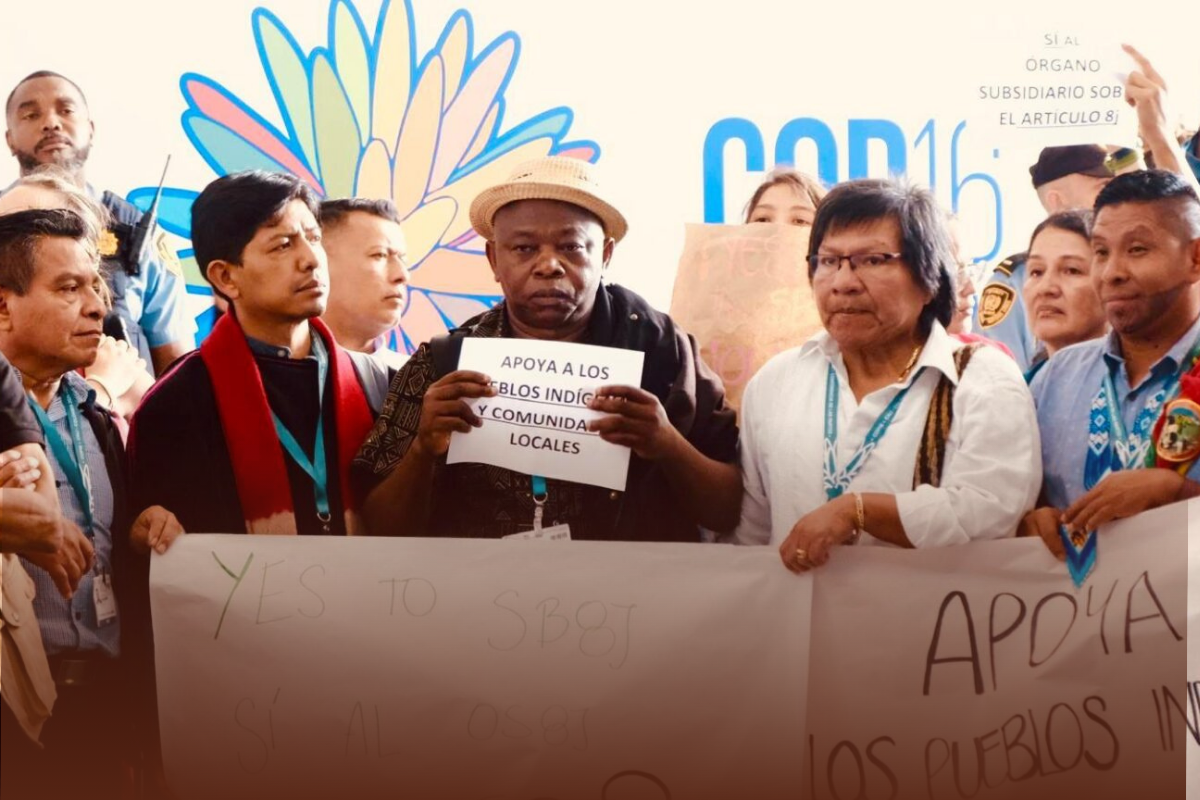
COP16: Advancing Indigenous Leadership and Inclusive Conservation
At CBD COP16, Indigenous leaders from the Democratic Republic of Congo showcased how direct access to biodiversity finance, legal recognition of ICCAs, and traditional governance are transforming conservation outcomes. Through ANAPAC and the Inclusive Conservation Initiative, IPLCs are advancing women’s leadership, securing territories of life, and shaping global biodiversity policy.
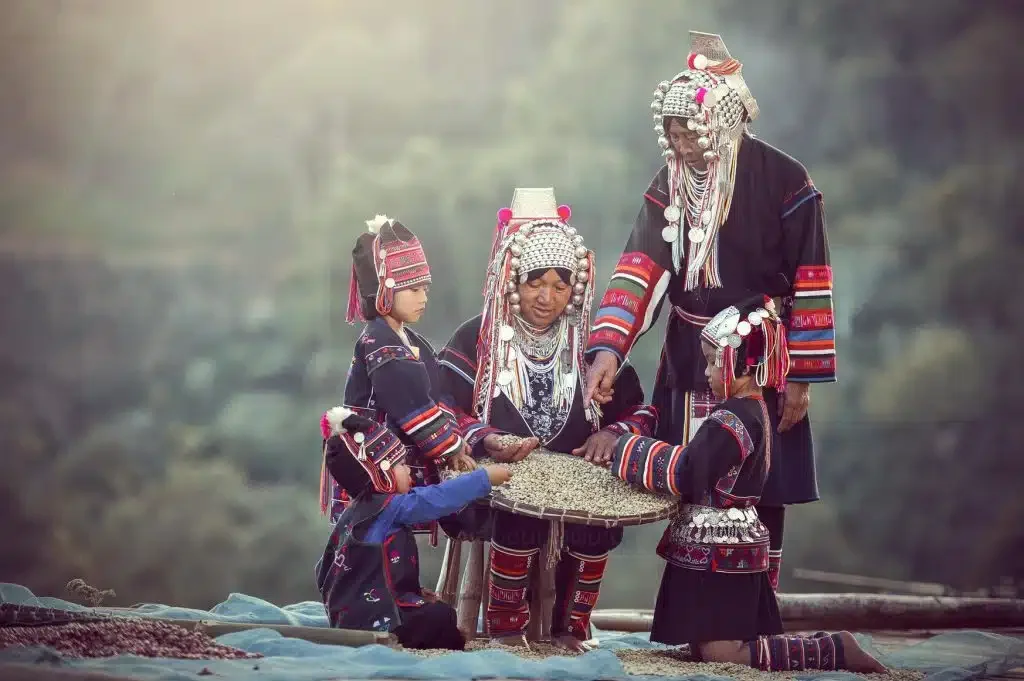
Indigenous Peoples and Local Communities, Gender and Biodiversity Linkages
In this self-paced course, you will explore the connections between gender and biodiversity and learn practical tools to develop gender-responsive approaches and policies for Indigenous Peoples and local communities, aligning with the Kunming-Montreal Global Biodiversity Framework.
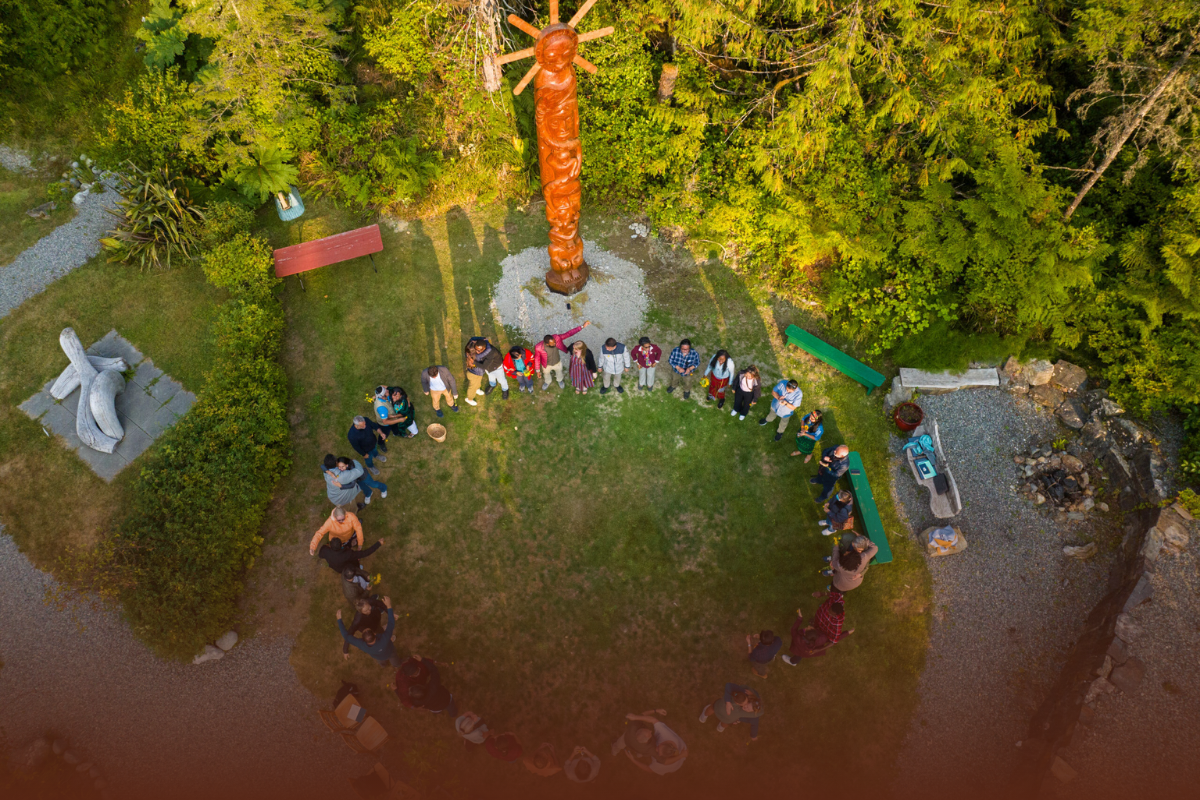
Inclusive Conservation Initiative (ICI) Phase 2 Report: A Focus on Inclusive Finance
The ICI Phase 2 Report highlights how $14.5 million in direct-access agreements are enabling Indigenous Peoples and Local Communities to lead conservation through their own governance systems. Supported by the GEF, the report demonstrates how inclusive finance is transforming biodiversity protection while advancing rights-based, self-determined climate and conservation solutions.
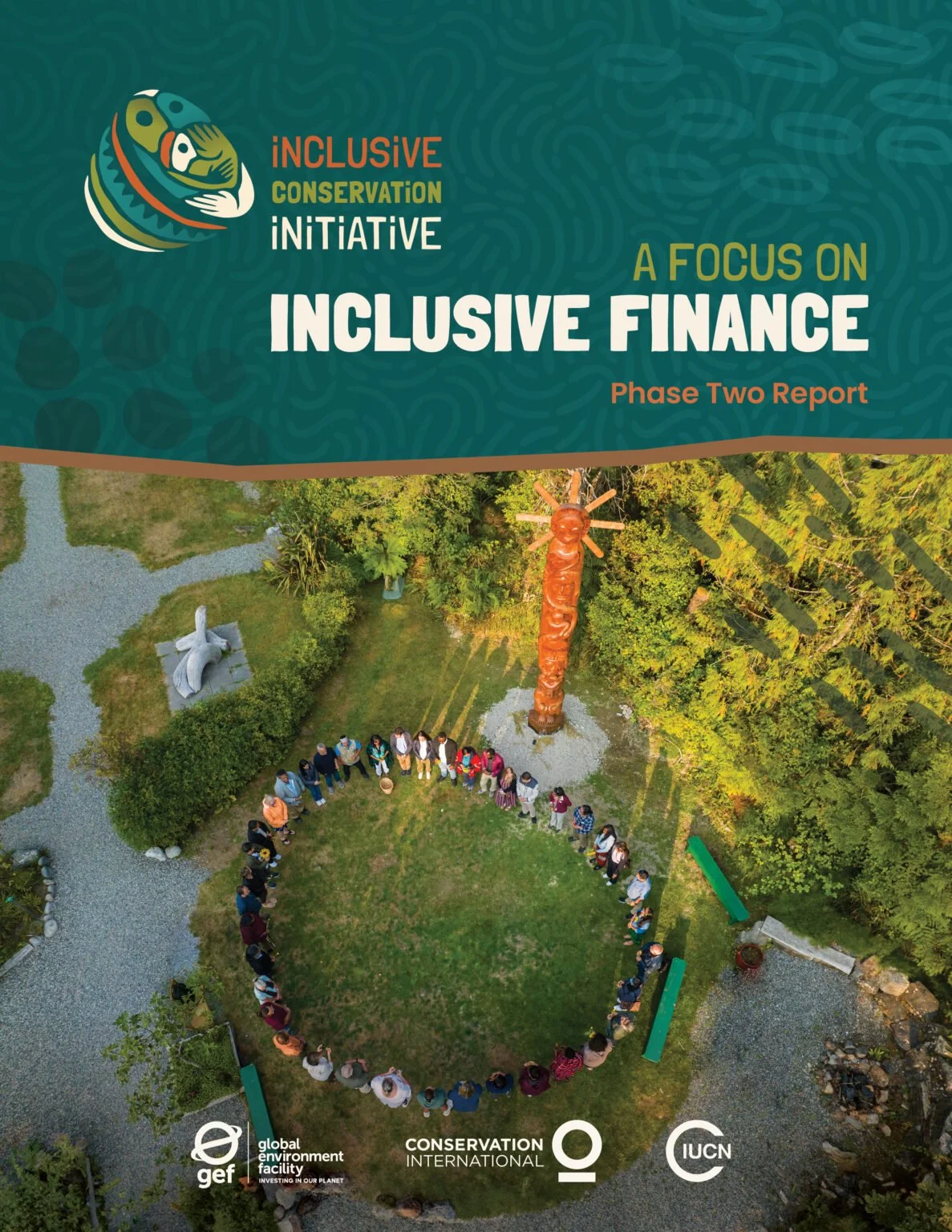
ICI Report | Inclusive Conservation Initiative (ICI) Phase Two Report: A Focus on Inclusive Finance
The Inclusive Conservation Initiative (ICI) Phase 2 Report provides a comprehensive overview of the progress made towards inclusive conservation practices and the implementation of Indigenous Peoples (IPs) and Local Communities (LCs)-led initiatives over the past year. Supported by the Global Environment Facility (GEF), this initiative highlights the leadership of IPs and LCs in conservation efforts and the delivery of global environmental benefits (GEBs).
Indigenous Leaders Of ICI Advocate For Inclusion At GEF Assembly
Indigenous leaders from the Inclusive Conservation Initiative (ICI) participated in the GEF Assembly in Vancouver, advocating for inclusive conservation and greater recognition of Indigenous-led initiatives. They highlighted the importance of direct funding, Indigenous governance, and gender equity, while welcoming the launch of the Global Biodiversity Framework Fund (GBFF) to support Indigenous and local communities.
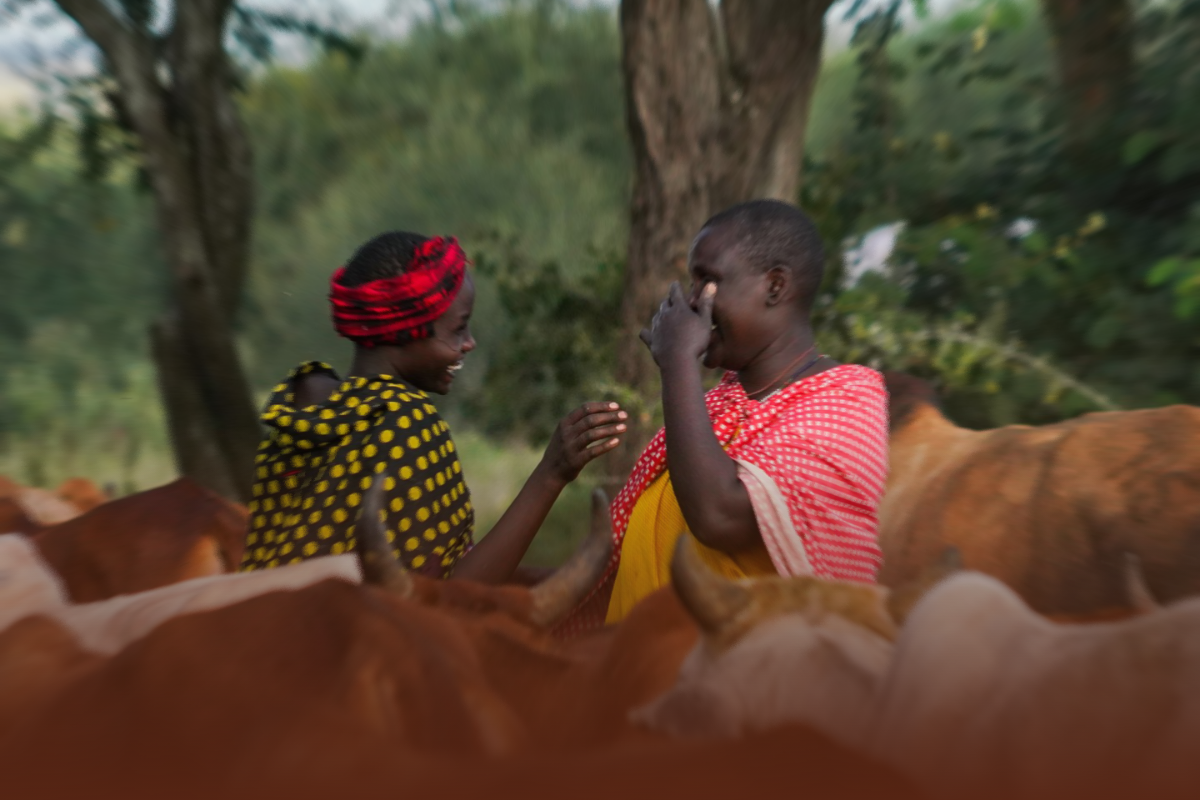
First phase of ICI implementation highlights importance of Indigenous-led conservation and need for increased funding
The Inclusive Conservation Initiative (ICI) Phase One Report showcases the first phase of Indigenous-led conservation efforts, demonstrating their effectiveness in protecting 7.6 million hectares of biodiverse landscapes. The report emphasizes the need for increased funding and adaptive finance mechanisms to support Indigenous Peoples and local communities in stewarding lands, waters, and natural resources globally.
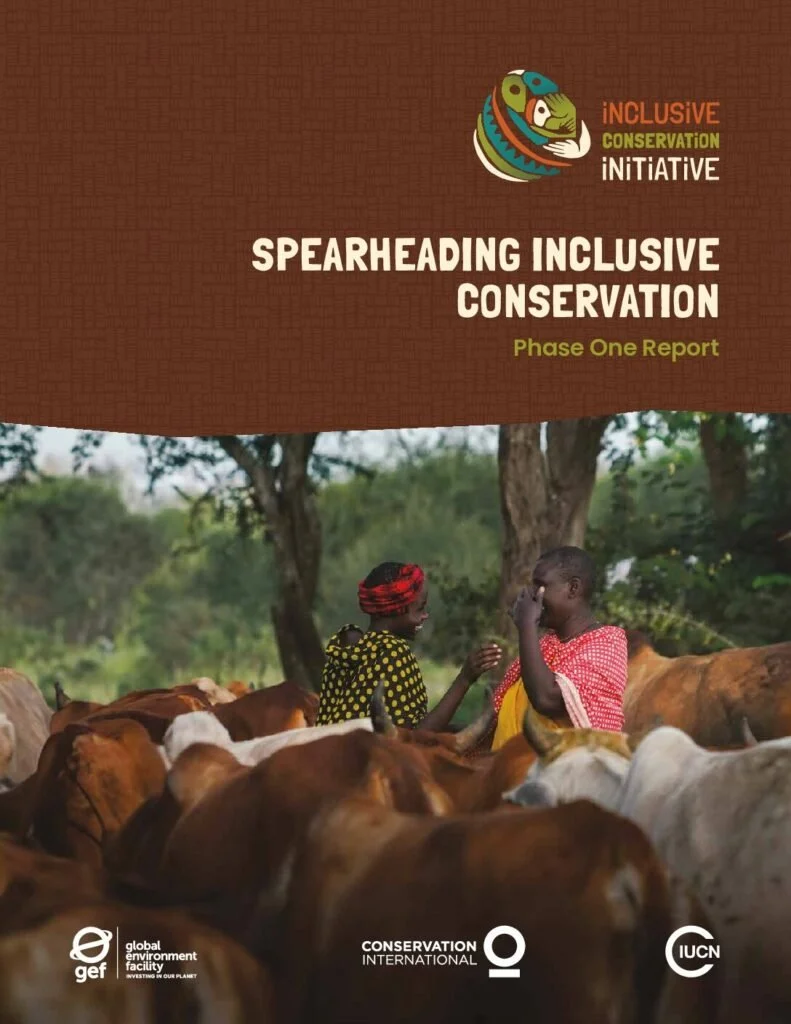
ICI Report | Inclusive Conservation Initiative (ICI) Phase One Report: Spearheading Inclusive Conservation
On 09 August 2023 (International Day of the World’s Indigenous Peoples), the Inclusive Conservation Initiative released its Phase One Report, summarizing the first phase of its implementation, from ideation in December 2019 to implementation status in mid-2023.
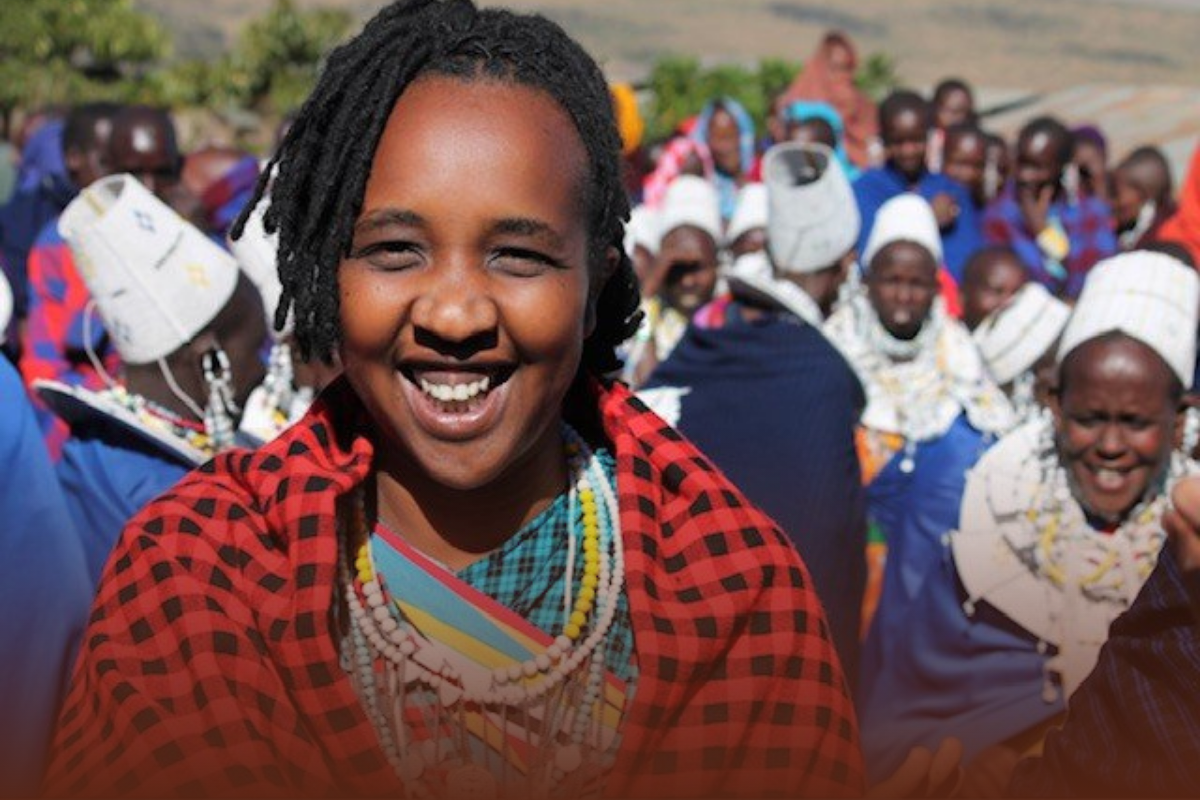
World Day to Combat Desertification and Drought 2023: Her Land. Her Rights.
On this World Day to Combat Desertification and Drought, the theme Her Land. Her Rights highlights the critical role of women in Indigenous communities and their heightened vulnerability to land degradation and water scarcity. Paine Makko of the Ujamaa Community Resource Team reflects on women’s leadership and resilience in her Maasai community, emphasizing the importance of supporting their rights and stewardship.
Earth Day 2023: Inclusive conservation invests in Indigenous and local women
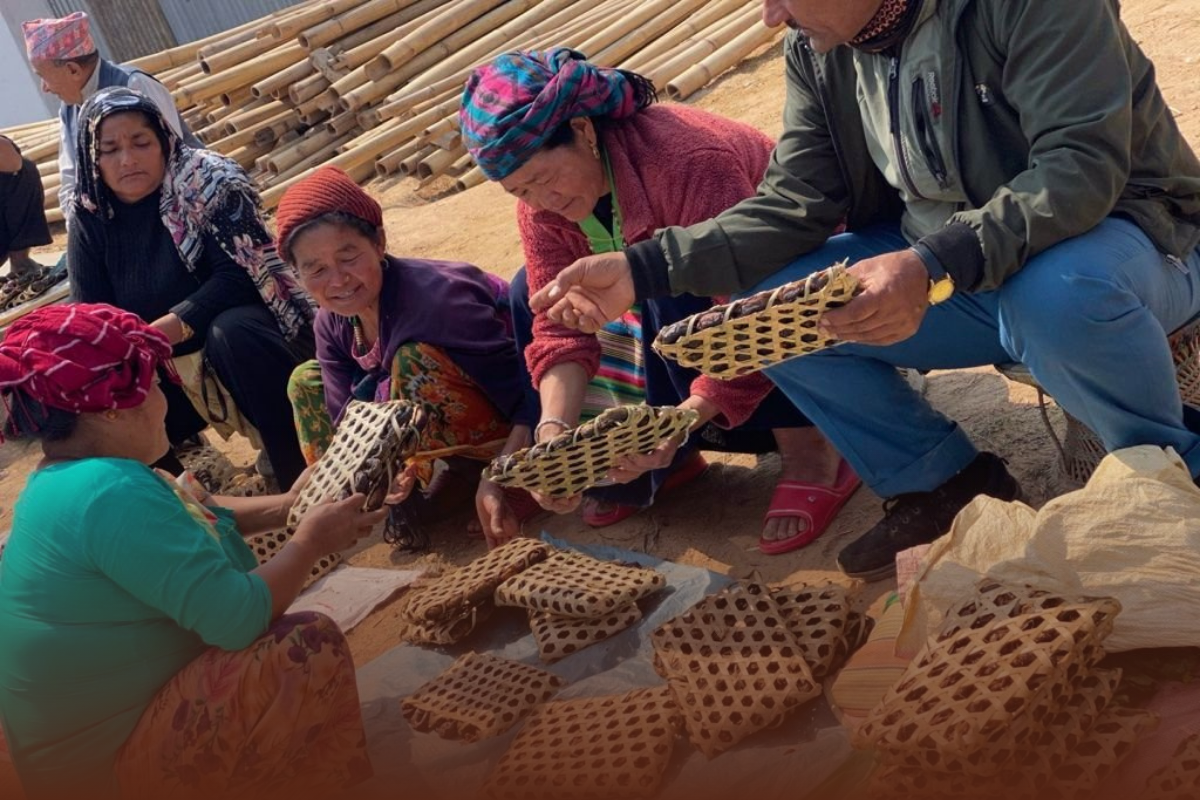
On Earth Day 2023, the Inclusive Conservation Initiative (ICI) highlights how Indigenous and local women are leading natural resource management and conservation across the DRC, Nepal, and Meso-America. By strengthening governance, technical skills, and intergenerational knowledge transfer, ICI invests in women as key actors in sustainable, culturally grounded environmental stewardship.
International Women’s Day 2023: Celebrating Indigenous women leaders in inclusive conservation
On International Women’s Day 2023, the Inclusive Conservation Initiative (ICI) celebrates Indigenous and local women as essential stewards of natural resources and biodiversity across Sub-Saharan Africa, Asia, and Meso-America. Through leadership roles, knowledge-sharing, and participation in decision-making, ICI empowers these women to drive inclusive conservation and strengthen community resilience.
Indigenous women help nature thrive
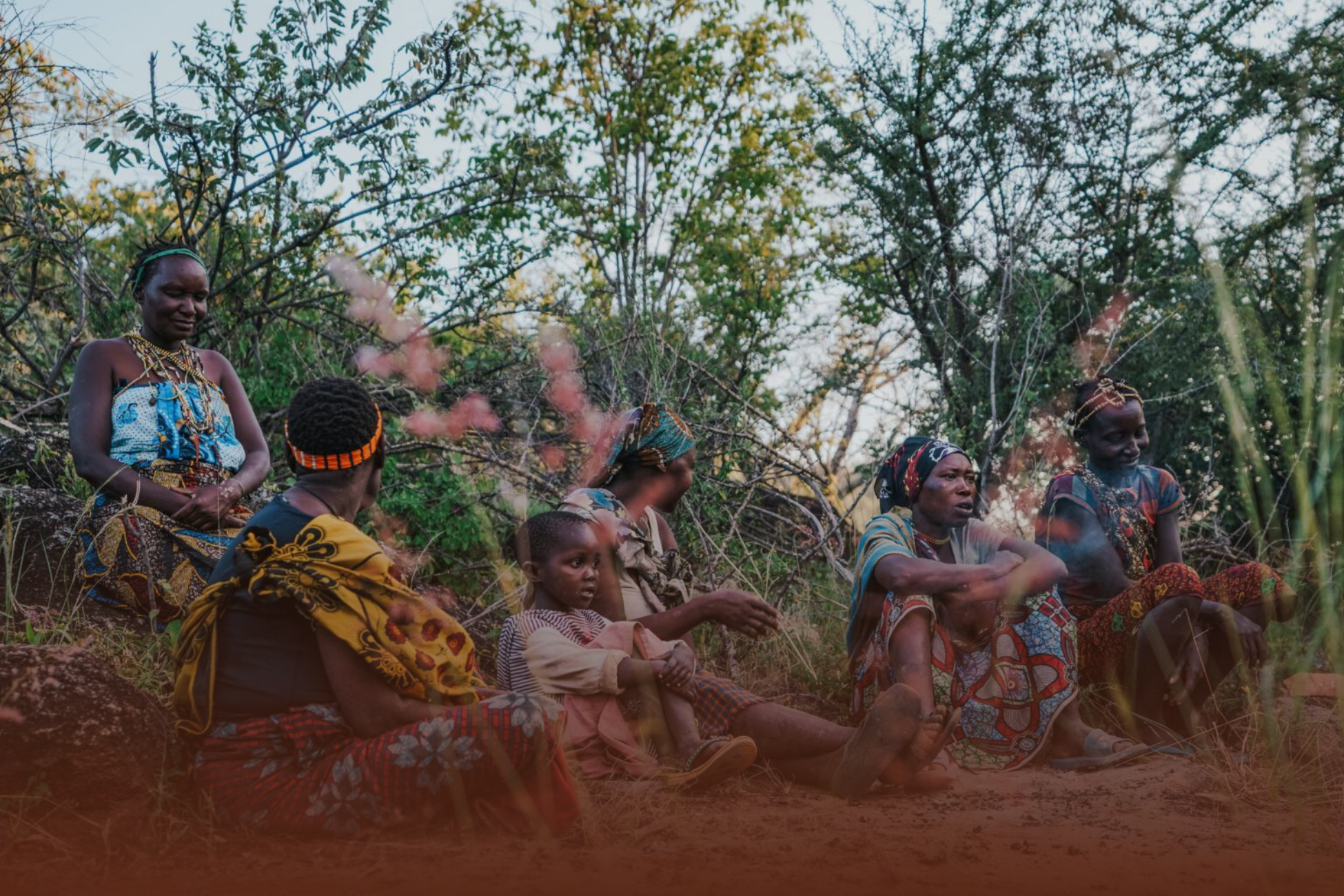
On the International Day of the World’s Indigenous Peoples, the Inclusive Conservation Initiative (ICI) celebrates Indigenous women as vital custodians of biodiversity and traditional knowledge across Africa, Asia, and the Americas. From seed conservation and sacred forest protection to community health and climate resilience, these leaders demonstrate how women’s knowledge sustains ecosystems and strengthens Indigenous governance.