
DR Congo
Scaling Indigenous-led conservation in the Congo Basin
About
In DR Congo, ANAPAC works with Indigenous Peoples in Indigenous and Community Conserved Areas (ICCAs) to strengthen their belief and value systems, natural resource management knowledge and skills, and peacekeeping and community stability systems. Together, these efforts strengthen, enhance, and secure the areas and territories that they conserve.
Under this initiative, ICI supports improved management across 120,000 hectares in DRC through governance strengthening, community-led conservation and capacity building, engaging 20,000 direct project stakeholders (55% women, 45% men).
Led by
Association Nationale d’Appui et de Promotion des Aires du Patrimoine Autochtone et Communautaire en République démocratique du Congo (ANAPAC)
Key ICI achievements in DR Congo
-
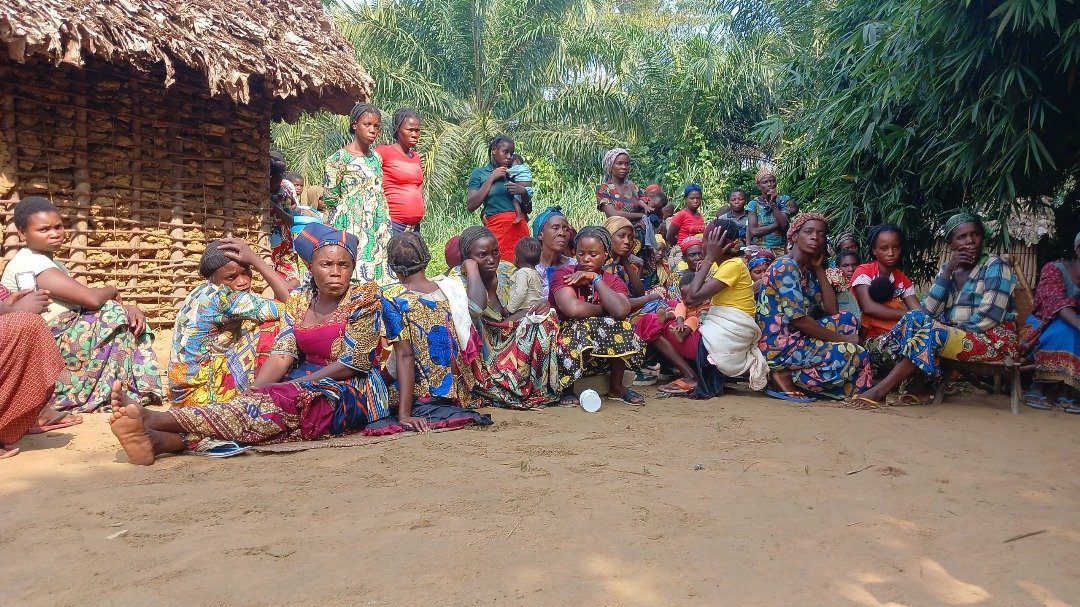
![A group of women and children sitting and standing outdoors in a rural village, with traditional thatched huts and lush green trees in the background.]()
Communities in Bobele, Buedi, Ikomo, and Diyoko
have conducted participatory mapping and validation documenting customary governance and community-validated boundaries including nearly 19,645 ha validated in Diyoko.
-
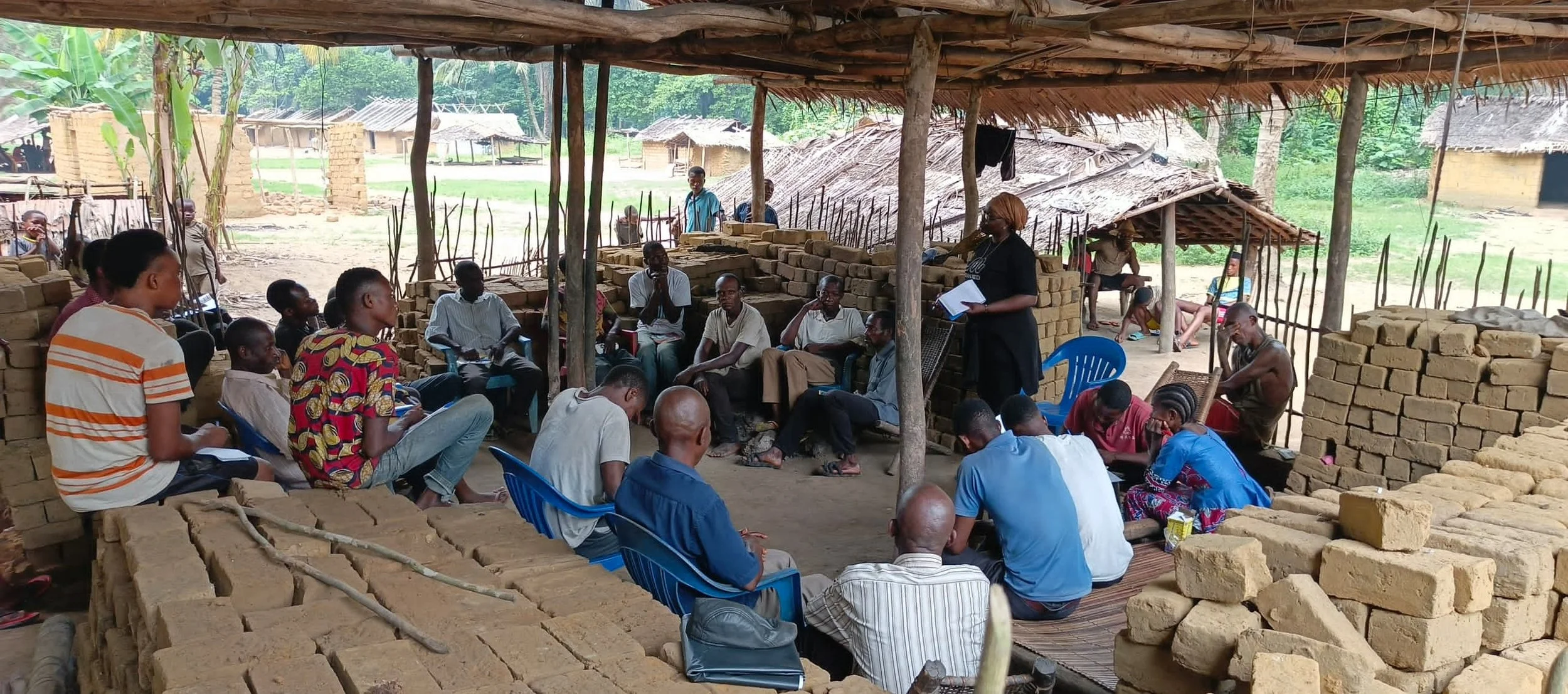
![Community meeting taking place in an outdoor shelter made of wood and thatch, with people sitting on chairs and on the ground, surrounded by partially constructed brick walls in a rural area.]()
Through Parliamentary Academy and advocacy meetings at the provincial level
500+ participants have engaged in dialogue to advance legal recognition of ICCAs and IPs and LCs rights.
-
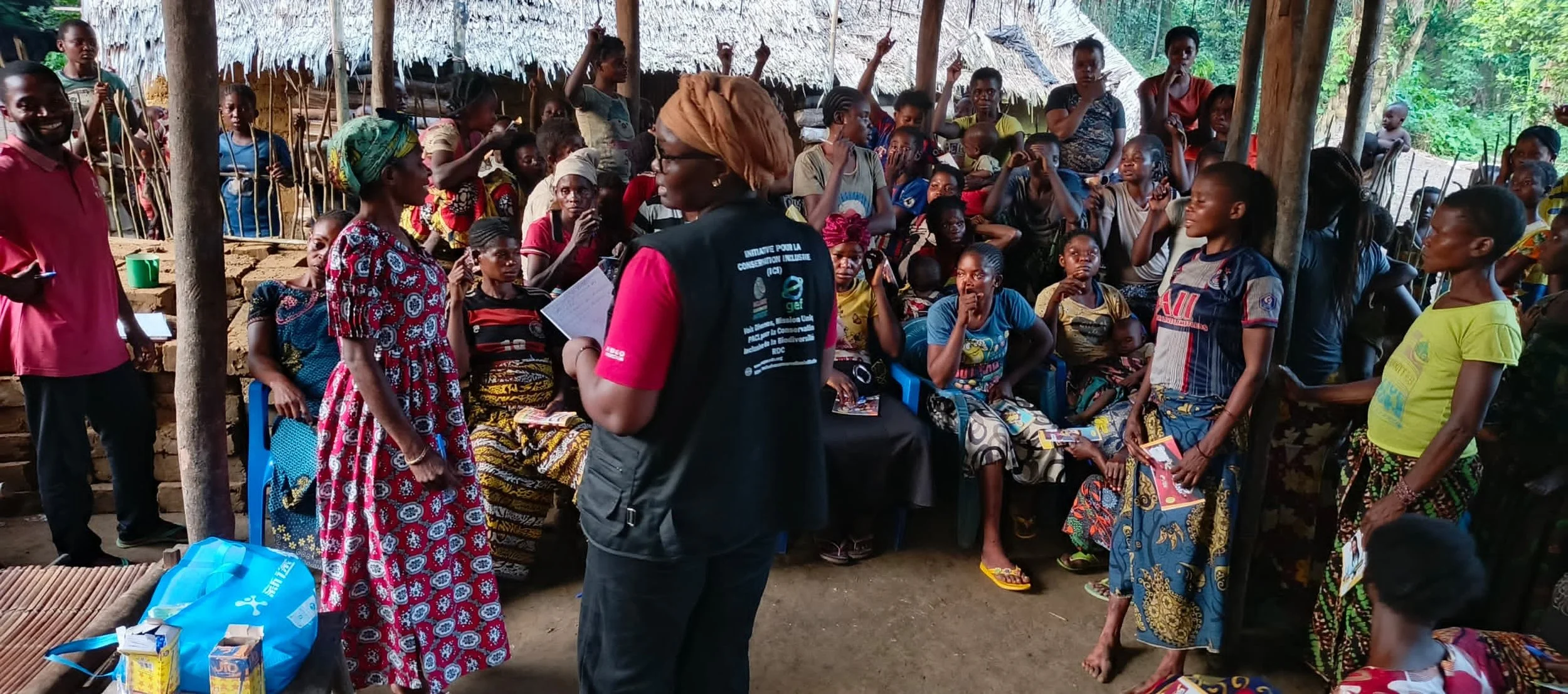
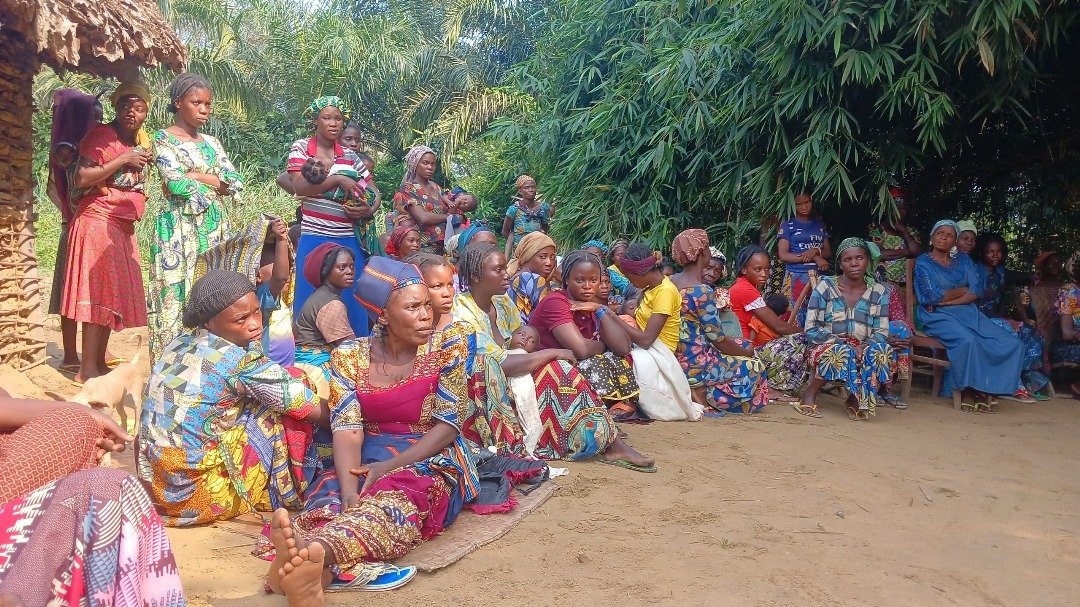
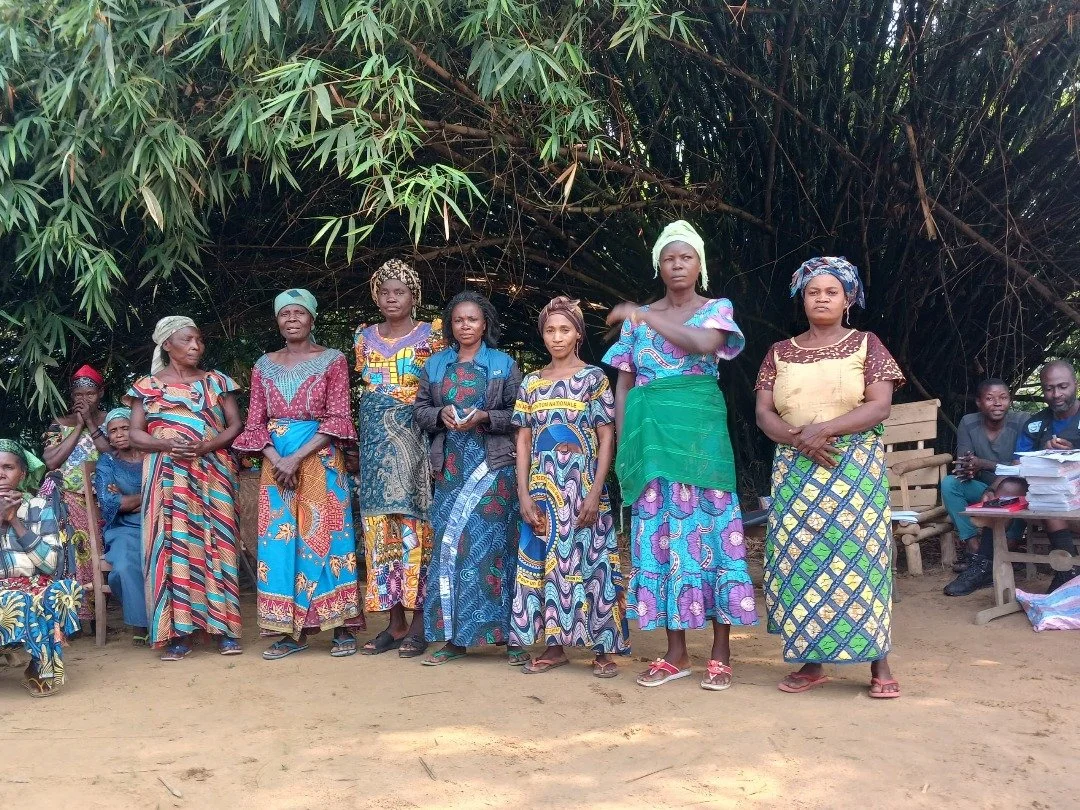
![Group of women and children sitting and standing outdoors in a lush, green setting with large leafy plants in the background in the DRC.]()
Intergenerational dialogues and local/provincial forums
have brought together 600+ community members (elders, youth, women, authorities) to revitalize Indigenous knowledge for conservation.
-
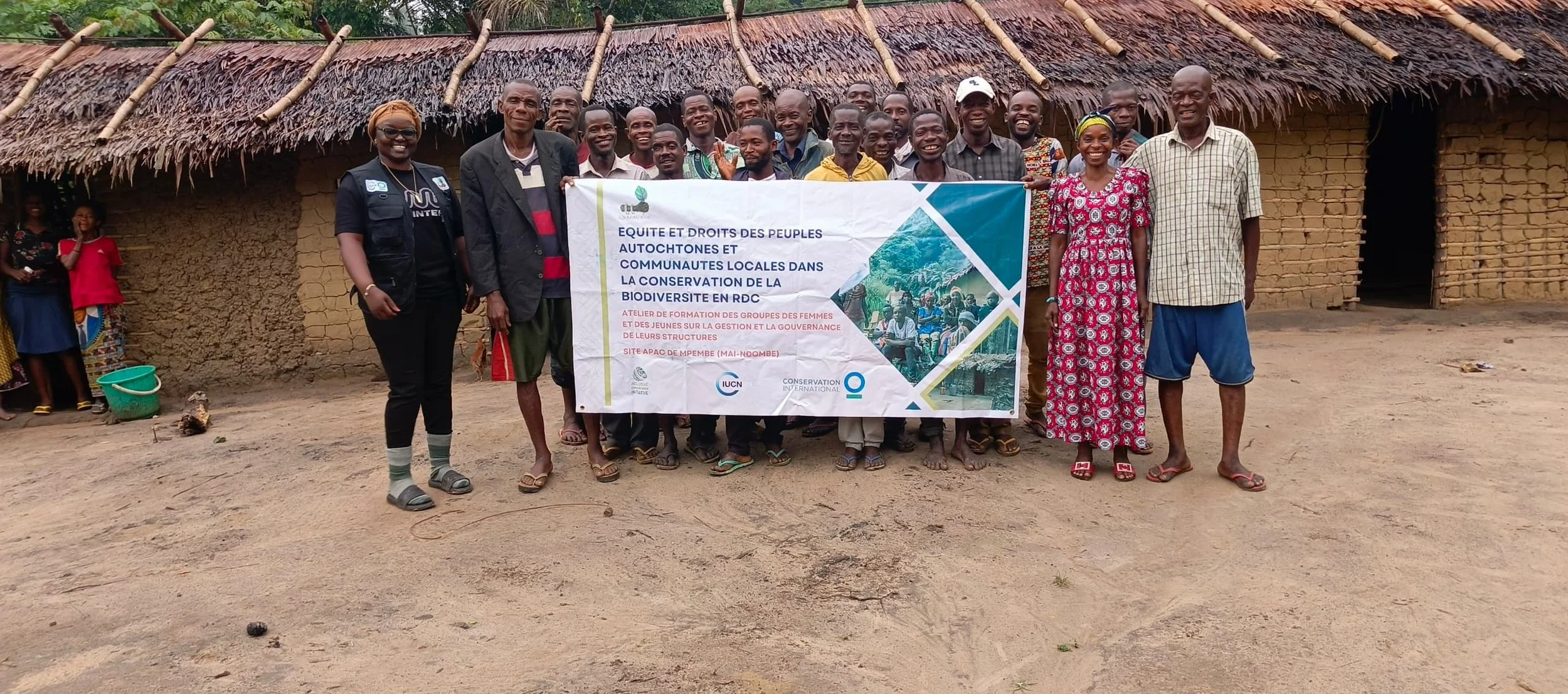
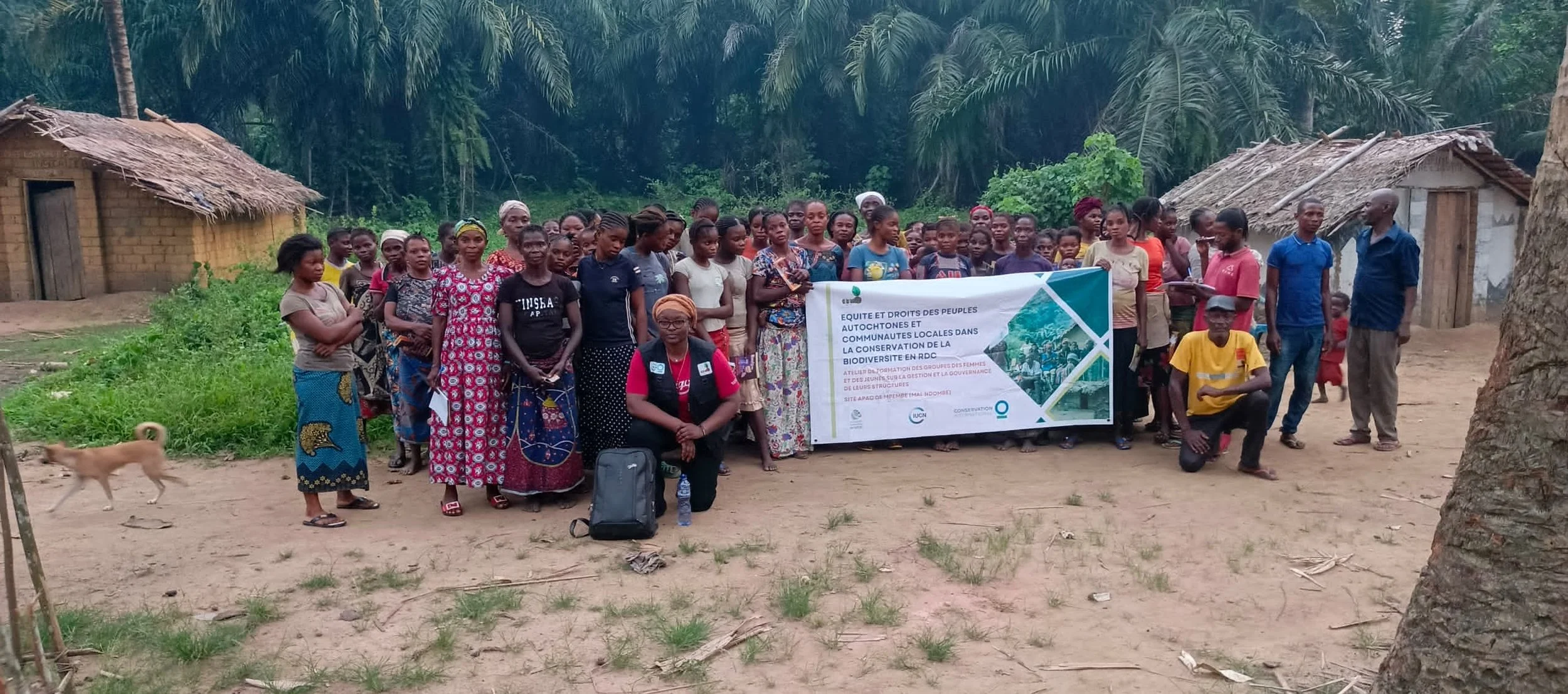
![Group of villagers and officials holding a banner about indigenous peoples' rights and biodiversity conservation in a rural area with palm trees and traditional huts in the DRC.]()
National Steering Committee and provincial platforms convened
aligning communities, civil society, and authorities around inclusive conservation.
-
![]()
Women-focused capacity building and grant preparation launched
reaching 300+ Indigenous women and strengthening livelihoods, group governance, and gender awareness.
Explore Related News from ANAPAC-DRC
The Region
Approximate area in hectares:
10,721,900
Indigenous Bambuti-Babuluko; Batwa; Bacwa population:
63,656
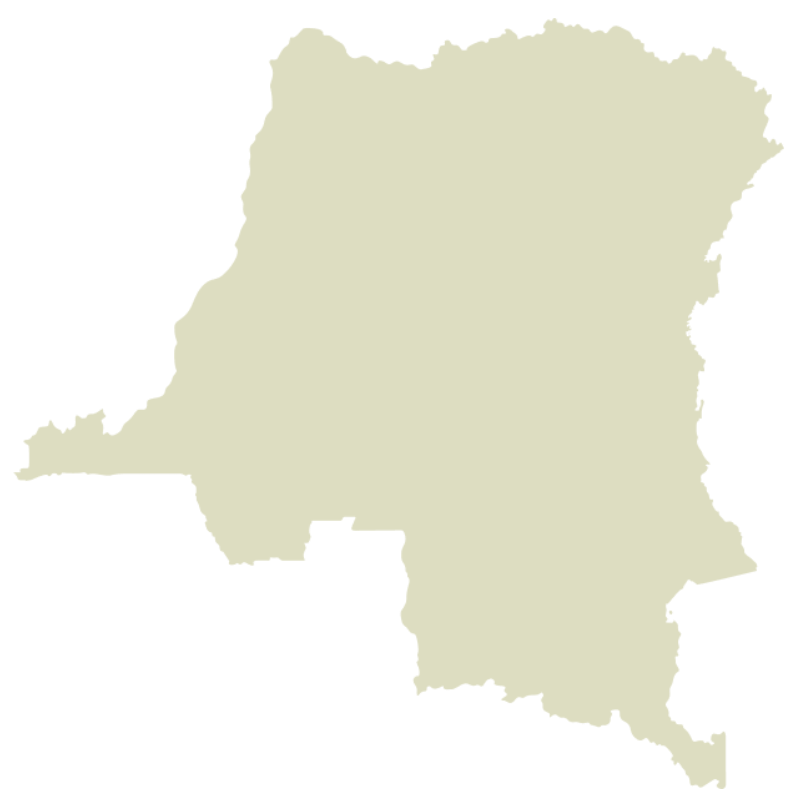
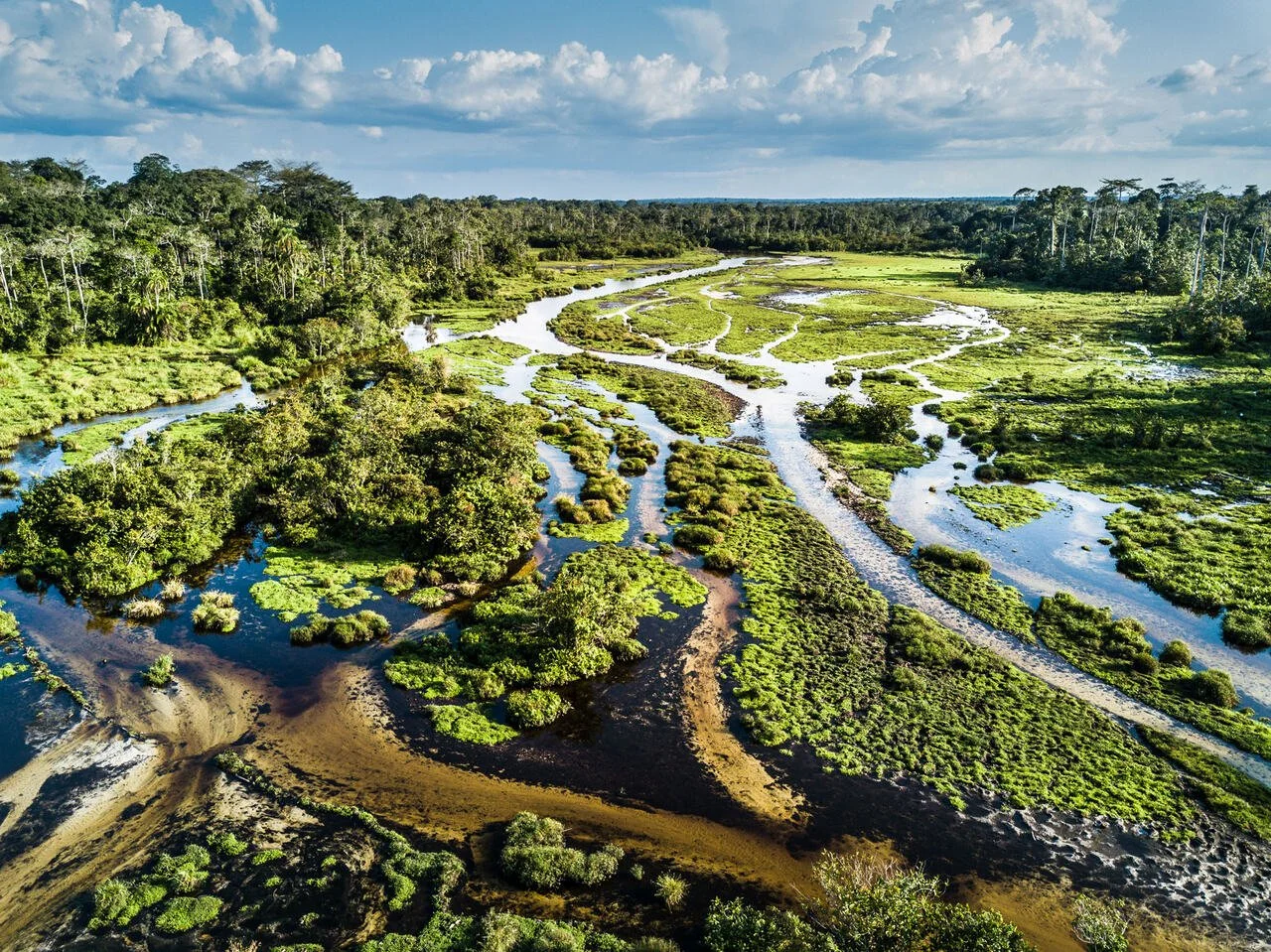
DRC is one of the world’s megadiverse countries, with high levels of endemism, freshwater, and forest resources. The project geography spans 3 biocultural landscapes of the Democratic Republic of Congo, each characterized by different biodiversity and cultural contexts. The three landscapes are in Eastern DRC, in Central DRC and in Western DRC. The project area in Eastern DRC falls within the Eastern Afromontane Biodiversity Hotspot, which is spread over a million square kilometers, and provides vast ecosystem services and a habitat to over 100 endemic mammal species, among others. There are several large KBAs outside of/or partially within Protected Areas (PAs) found in the East and Center of the country; and include: Kokolopori, Marungu highlands, Itombwe Mountains, and Lake Kivu catchment. The proposed project intersects with several of the KBAs that have been highlighted as top priorities in DRC based on relative biological importance.
Indigenous Peoples make up around 3% of DRC’s population and include nomadic or semi-nomadic hunter-gatherers and people who have settled and are farming or engaged in other commercial activities. Forest-dwelling communities are heavily reliant on natural resources for survival, but growing pressure on fragile ecosystems is increasing food insecurity and deepening poverty among these vulnerable communities. The DRC’s legal framework currently provides limited grounds for the recognition of IP and LC control over forests through community protected areas and concessions, rather than through IP or LC ownership of lands or other resources. National reforms are underway to address this, and some sub-national initiatives are also striving for recognition and formalization of customary land rights. However, according to Landmark, 86% of lands under customary management have yet to be recognized. The national government has set a target of 2.4 million ha of forests under community management by 2023; as of 2020, it had reached half of its target. However, this target was set principally with community timber exploitation in mind, further demonstrating the importance of emphasizing and promoting IP- and LC-managed protected areas that focus on biodiversity conservation and maintenance of ecosystem services.
About DR Congo
Percentage of the country’s land area under recognized IP or LC ownership:
<1%
(Source: RRI: 2015. Who Owns the World’s Land?)
Number of Land Defenders Killed 2016-2018:
31
(Source: Global Witness)
Biodiversity Significance
Local Context
-
Agriculture
Non-timber Forest Products (NFPs)
Tourism
Fishing
Hunting
-
Climate change
Deforestation, overgrazing, and overexploitation of wildlife and other natural resources
National and Regional Policies and Plans linked to tenure security
Loss of indigenous knowledge
Mining
Globalization, integration into market economy, influence of Western culture, lack of recognition of traditional systems
Illegal logging