ICI in Global Policy
Influencing environmental decisions
Influencing environmental decisions
ICI in Global Environmental Policy



International environmental policy spaces are key arenas for setting directions and establishing commitments that create either enabling or constraining conditions for Indigenous People and Local Community (IP and LC)-led conservation. IP and LC voices in decision-making at the Rio Conventions and other relevant fora to strengthen their provisions on IP and LC rights and roles in relation to conservation, climate change and other environmental issues.
Though policy progress is happening, many decision-making processes at national, regional, and global levels continue to lack sufficient pathways for the full, effective, and meaningful participation and engagement of Indigenous Peoples and Local Communities (IPs and LCs). Social, political, cultural, language, and financial obstacles exacerbate barriers to participation, as many systems do not include IP or LC perspectives as requisite voices towards decision-making. It is essential that historical discrimination, exclusion, and power imbalances are addressed – otherwise opportunities to advance social justice and equity will flounder while continuing to drive environmental loss.
Through IP and LC leadership, ICI seeks strategic opportunities to help systematize and strengthen IP and LC representation and engagement in environmental policy fora, based on targeted representation with clear policy objectives, added value to existing initiatives, and defined communication goals.
The 2026 Global Policy Roadmap
Advancing Indigenous-Led Conservation from Samarkand to Antalya
Advancing Indigenous-Led Conservation from Samarkand to Antalya
International environmental policy spaces remain critical arenas for shaping the rules, financing mechanisms, and accountability frameworks that affect Indigenous Peoples’ and local communities’ rights, leadership, and territorial governance.
In 2026, the Inclusive Conservation Initiative (ICI) will focus on ensuring that Indigenous voices are not only present in global biodiversity, climate, and environmental negotiations, but are recognized as essential to implementation, equity, and durable conservation outcomes.
Through Indigenous leadership, ICI will engage strategically across key global policy moments, from environmental finance spaces to multilateral negotiations, to strengthen pathways for direct access to funding, reinforce Indigenous governance, and amplify community-led solutions on the global stage.
While ICI’s direct support will be concentrated in key moments, the initiative will continue to monitor, inform, and align with broader global policy developments across biodiversity, climate, and environmental health spaces.
Key Policy Themes & Negotiation Agendas
Indigenous Leadership and Governance
Strengthening representation and decision-making power of Indigenous Peoples in global environmental processes
Biodiversity and Traditional Knowledge
Advancing rights-based implementation of the Global Biodiversity Framework under the CBD
Climate Change and Nature-Based Solutions
Elevating Indigenous-led climate action, adaptation, and access to climate finance
Environmental Finance and Direct Access
Promoting large-scale, long-term, direct financing mechanisms for Indigenous Peoples and local communities
Chemicals, Pollution, and Environmental Health
Addressing the impacts of mercury and other pollutants on Indigenous territories under the Minamata Convention
Equity, Gender, and Inclusion
Ensuring Indigenous women, youth, and community leaders are visible and supported in global decision-making spaces
Convening and accompanying Indigenous leaders in priority global policy spaces
Strengthening negotiation preparedness and strategic engagement of ICI fellows and GSC members
Translating global policy processes into territory-relevant learning and action
Amplifying Indigenous voices through communications, storytelling, and knowledge products
Positioning Indigenous Peoples as leaders in global environmental finance — not only participants in policy processes
ICI Value-Added & Impact
May–June 2026 | Samarkand, Uzbekistan
The GEF Assembly represents a key moment for shaping global environmental finance priorities. ICI will support Indigenous leaders in engaging with donors, governments, and partners to strengthen recognition of direct access, long-term financing, and Indigenous governance within global funding mechanisms.
This moment will be critical to advancing Indigenous-led finance as a core pillar of conservation and climate action.
8th GEF Assembly

June 2026 | Bonn, Germany
The UNFCCC Subsidiary Bodies meeting (SB64) serves as a key technical and negotiation space leading into COP31. ICI will engage in tracking and informing discussions on climate implementation, participation, and finance, with a focus on how Indigenous priorities are reflected in the lead-up to global climate negotiations.
UNFCCC SB64
July–August 2026
These meetings under the Convention on Biological Diversity provide important opportunities to advance Indigenous knowledge systems, rights-based approaches, and implementation priorities under the Global Biodiversity Framework.
ICI will follow and engage with key developments to help ensure that biodiversity policies remain grounded in territorial realities and community leadership.
CBD SBSTTA-28 & SBI-7
September 2026
Under the Minamata Convention, discussions will continue to address the impacts of mercury and environmental pollution on Indigenous territories and livelihoods.
ICI will monitor key outcomes to inform its work on environmental health, human rights, and conservation.
Minamata COP-6
October 2026 | Yerevan, Armenia
CBD COP17 will be a major global milestone for biodiversity policy and implementation. ICI will engage in tracking and aligning with key outcomes, with a focus on Indigenous governance systems and rights-based conservation approaches.
This moment will be central to positioning Indigenous Peoples as key actors in achieving global biodiversity goals.
CBD COP17
November 2026 | Antalya, Türkiye
At COP31, global climate negotiations will advance discussions on finance, adaptation, and nature-based solutions.
ICI will monitor and align with key developments, contributing to broader efforts to strengthen Indigenous-led approaches as essential to achieving equitable and effective climate action.
UNFCCC COP31

Past Achievements
-
![]()
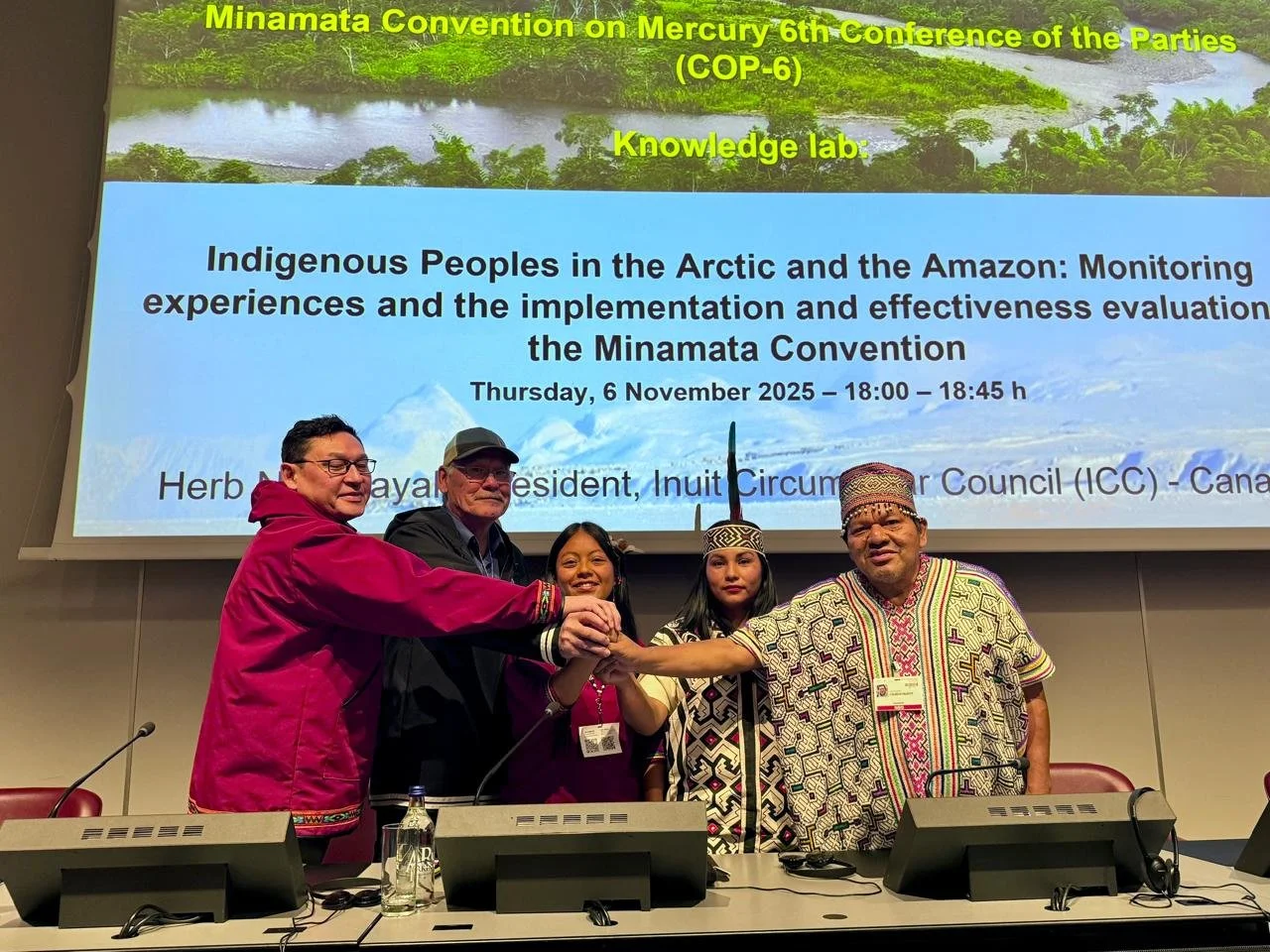
Minamata Convention COP-6 (November, 2025)
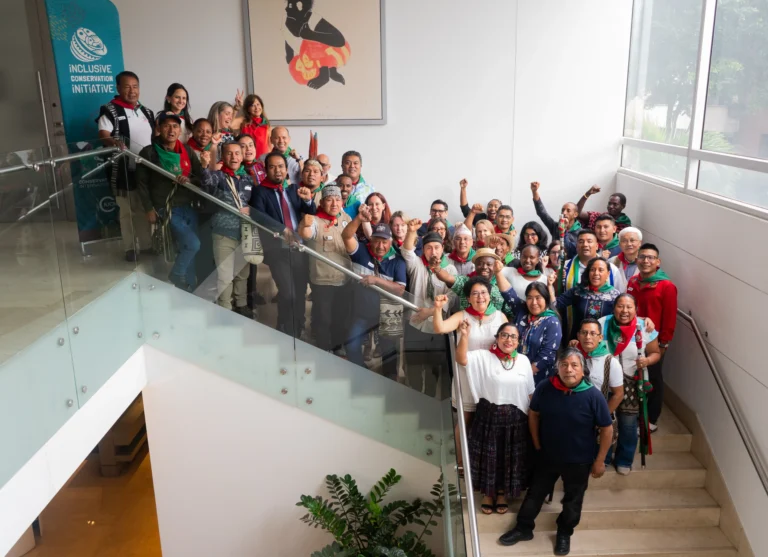
With ICI support, Maglin Reonela Alvarado Vargas — a young Yine woman from the native community of Monte Salvado in the Peruvian Amazon and ICI Fellow — made history as the first Yine woman to participate in the Minamata Convention COP-6, held in Geneva in November 2025. Traveling with her baby, she represented FENAMAD and presented their Indigenous mercury monitoring program at a historic COP that adopted 22 decisions, including strengthened measures to reduce mercury use in artisanal and small-scale gold mining — the very activity contaminating the rivers and food sources of her community in Madre de Dios. Indigenous Peoples' engagement at COP-6 also reached new levels, with a new decision recognizing Indigenous rights in the Convention's framework. Maglin's presence, made possible by ICI, ensured that the voices of those most affected were part of shaping those outcomes.
-
![]()
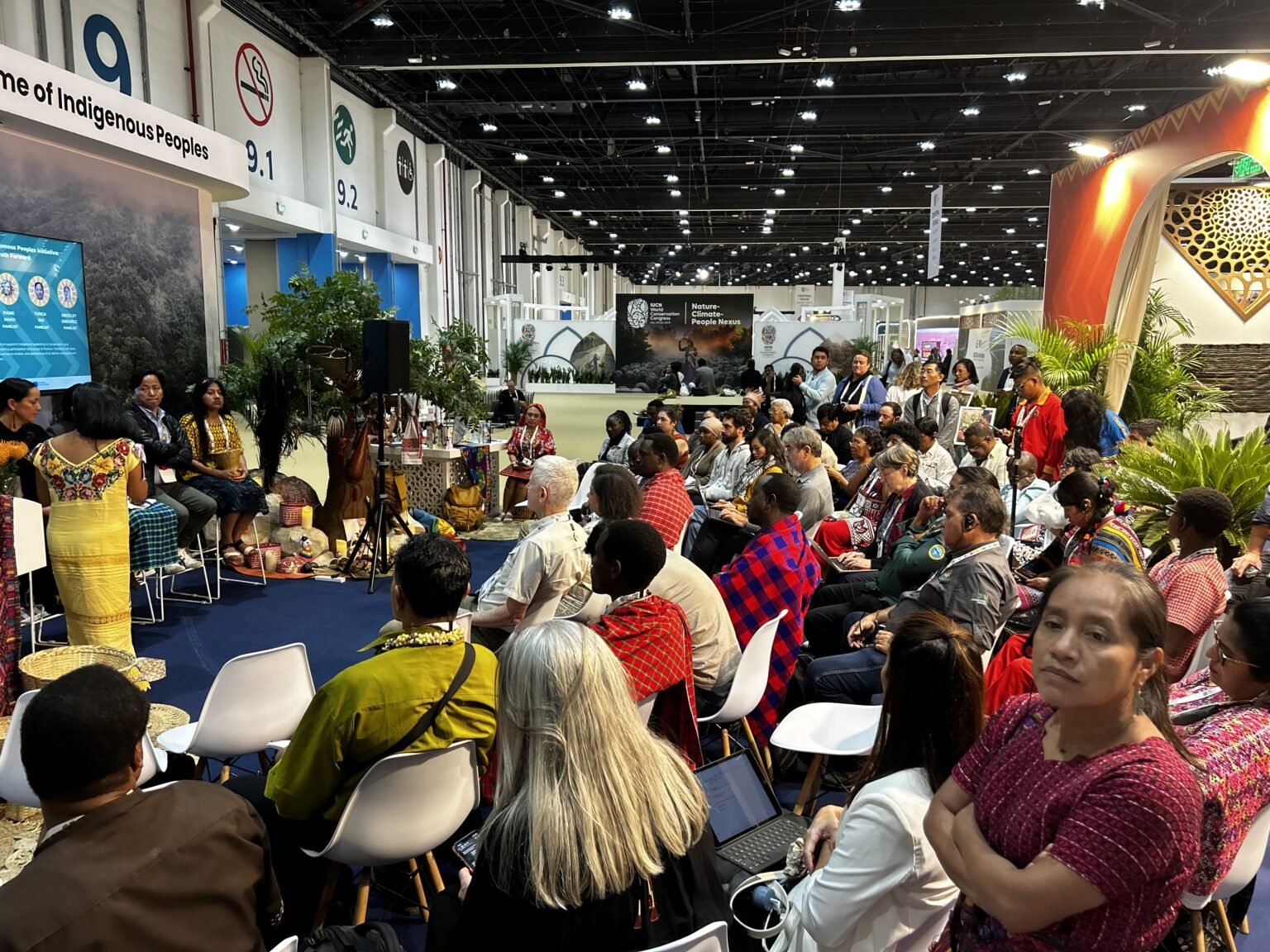
IUCN World Conservation Congress (October, 2025)
The 2025 IUCN World Conservation Congress in Abu Dhabi marked a historic moment for Indigenous leadership in global conservation, with the inaugural World Summit of Indigenous Peoples and Nature placing Indigenous governance at the center of the world's largest conservation forum. ICI leaders were part of this defining moment, contributing to a Congress that adopted a landmark 20-year Strategic Vision and the Abu Dhabi Call to Action — both of which explicitly prioritized Indigenous rights, equity, and community-led conservation as non-negotiable foundations for nature action through 2045.
-
![]()
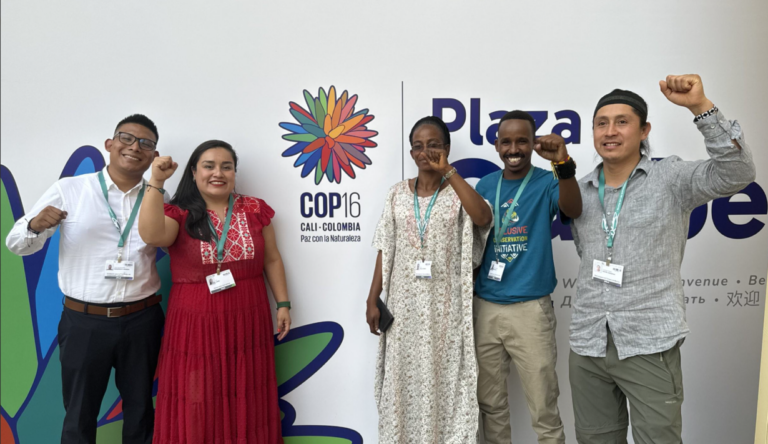
CBD COP16 (2024)
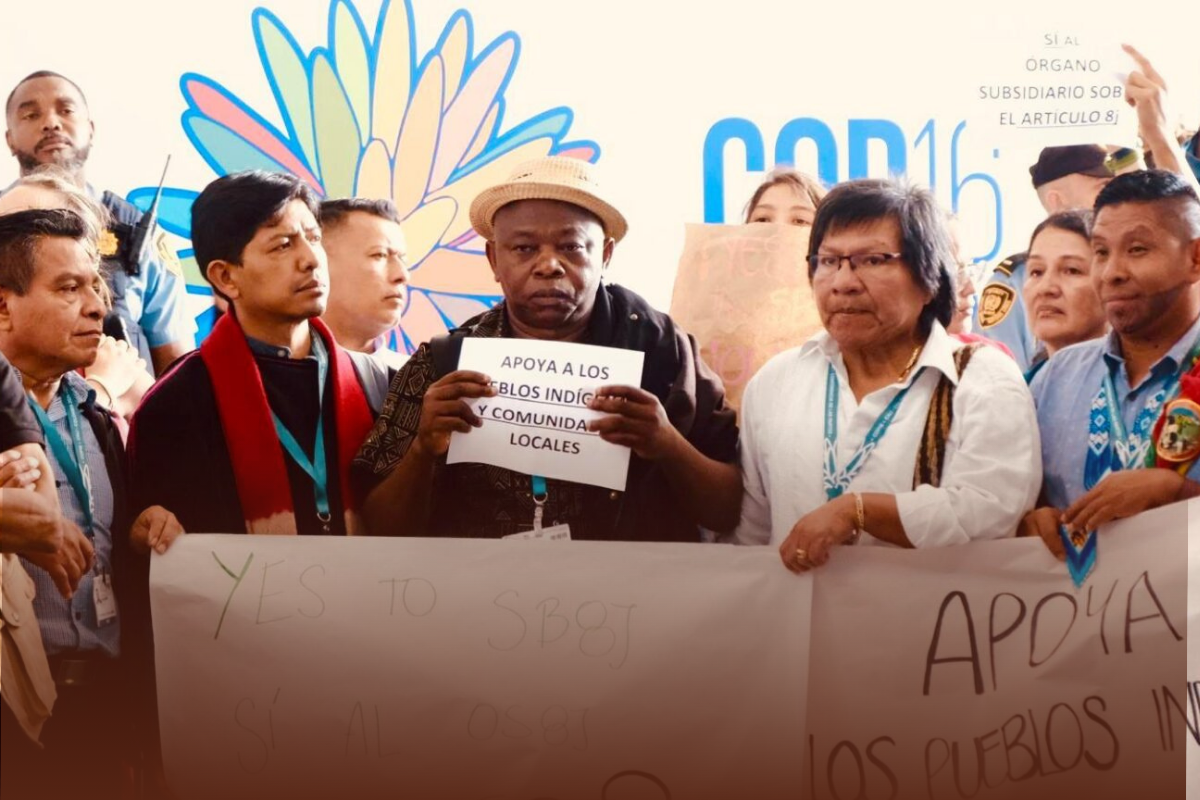
At COP16 in Cali, Colombia, 23,000 participants from 196 countries gathered to advance the Global Biodiversity Framework (GBF). ICI showcased Indigenous-led, rights-based approaches through six side events, co-hosting the official Nature-Culture Summit, and engaging in targeted advocacy with policymakers. Indigenous Peoples’ leadership through the IIFB was instrumental in securing a historic outcome: the establishment of a permanent Subsidiary Body on Article 8(j). Article 8(j) enshrines Indigenous participation and traditional knowledge in CBD decision-making. ICI’s engagement demonstrated how inclusive, community-driven action can operationalize the GBF, particularly Target 3, ensuring equitable and effective conservation by 2030.
-
![]()
UNFCCC COP 28 (2023)
Indigenous leaders working on initiatives within ICI continued to amplify traditional knowledge and IP and LC territorial rights at the upcoming UNFCCC COP 28, hosted in Dubai, United Arab Emirates, particularly as they relate to the Global Stocktake and how its outcomes may inform a strong rights-based approach to the L&D Facility.
-
![]()
CBD SBSTTA 25
The continuous engagement of IP and LC voices in technical meetings of the CBD have been an important part of the work moving forward with specific focus on SBSTTA, Article 8J, Target 3 and resource mobilization.
-
![]()
7th GEF Assembly 2023
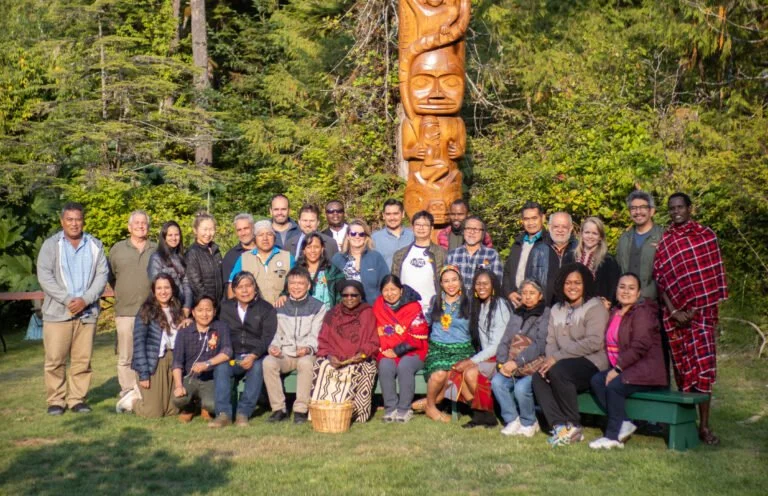
Sharing ICI experiences to-date, the ICI Global Steering Committee attended the 7th GEF that took place August 22-26 in Vancouver, Canada and advocated for more direct IP and LC financing, including through the establishment of the new Global Biodiversity Framework Fund.
-
![]()
International Environmental Policy Fellows Program
Sharing ICI experiences to-date, the ICI Global Steering Committee attended the 7th GEF that took place August 22-26 in Vancouver, Canada and advocated for more direct IP and LC financing, including through the establishment of the new Global Biodiversity Framework Fund.
-
![Logo for COP27 climate conference in Egypt, 2022, featuring a stylized sun and water rays.]()
UNFCCC COP27
In 2022, ICI began its global engagement via the UN Framework Convention on Climate Change (UNFCCC) Conference of the Parties (COP) 27 in Sharm-el-Sheik, Egypt, and the Kunming-Montreal UN Convention on Biological Diversity (UNCBD) COP 15. Each forum was crucial for raising awareness about ICI and to influence global climate and biodiversity policy decisions.
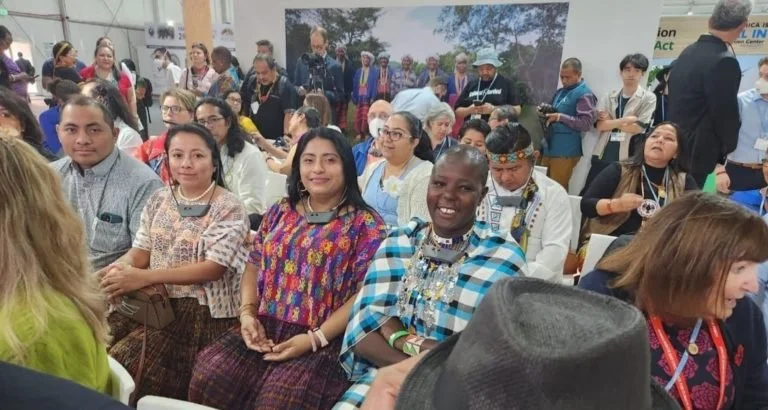
During UNFCCC COP 27, ICI supported and hosted over 10 events that uplifted Indigenous leadership in advancing nature-based solutions that are meaningful, harness the experience of IPs and LCs, and do not present false solutions or a reliance on monetizing climate mitigation. Indigenous ICI leaders called for progress and accountability on the COP 26 pledge of USD$ 1.7 billion in funding to IPs and LCs – of which an estimated 7% had reached them from 2021 to 2022 – and called for increased scaled investments into inclusive finance mechanisms such as ICI and to make progress on facilitating direct climate and conservation financing to IPs and LCs.
-
![A diverse group of people seated and standing at an indoor event or gathering, some wearing traditional clothing and accessories at UNFCCC COP 27.]()
Amplifying Indigenous Women’s Voices and Priorities
Indigenous women are powerful advocates for Mother Nature and are often at the forefront of climate action in their communities but are not guaranteed effective and full participation in international decision-making on climate. Recent studies show that of climate funds intended for Indigenous Peoples and Local Communities, only 17% reaches them – and Indigenous women are the most left behind, receiving 5% of funding (Grist, 2022). IUCN launched the Indigenous Women’s Insights – Stewarding the Earth initiative in 2021 as a communications campaign designed to advance the visibility of IPO messages in global conservation policy. In 2022, IUCN adapted the campaign to support Indigenous women and girls’ climate-leadership and reduce barriers to their full participation by supporting six Indigenous women leaders, three mentors and three mentees – including from the ICI subprojects at UNFCCC COP 27 in Sharm-el-Sheik.
-
![Logo for the UN Biodiversity Conference with a stylized turtle and animals forming a circular design, titled COP 15 in Kunming, China]()
CBD COP15
In December 2022, the globe gathered in Montreal for the Kunming Biodiversity Conference (CBD COP 15) to decide upon the final text of the Global Biodiversity Framework (GBF). ICI leaders from Chile, DR Congo, Kenya, Panama, and Tanzania engaged in dialogues to make the case for an inclusive GBF that incorporates a human-rights based approach to conservation to ensure agreements and targets adequately consider the ways policies can unfold in reality.
From sharing how exclusionary protected area practices can affect Indigenous rights and livelihoods and result in forced removals of Indigenous Peoples, to sharing how hydroelectric dams can negatively impact Indigenous communities, ICI leaders emphasized that a human-rights based approach to global 30×30 targets requires the inclusion of IPs and LCs, and not their exclusion or expulsion.
Leaders also advocated for traditional knowledge as a foundation of inclusive conservation as a part of the GBF, and urged the GBF to ensure human-rights approaches are integrated into its financing. Together, they called on policymakers to reimagine how finance and the ways in which conservation results are measured contribute to the upholding and advancement of IP and LC rights, working with diverse stakeholders from across global policy, finance mechanisms, the private sector, and others to lay out a roadmap for translating pledges, commitments, and human rights integration into the GBF. In Montreal, Indigenous leaders also collaborated with the GEF to officially launch ICI in the global arena, inviting other funders to adapt or innovate models for increased inclusive or direct financing to IPs and LCs to tackle the concurrent climate and biodiversity crises.