
ICI International
Policy Fellows
Raising up the next generation
+
Raising up the next generation +
About the ICI International Policy Fellows Program
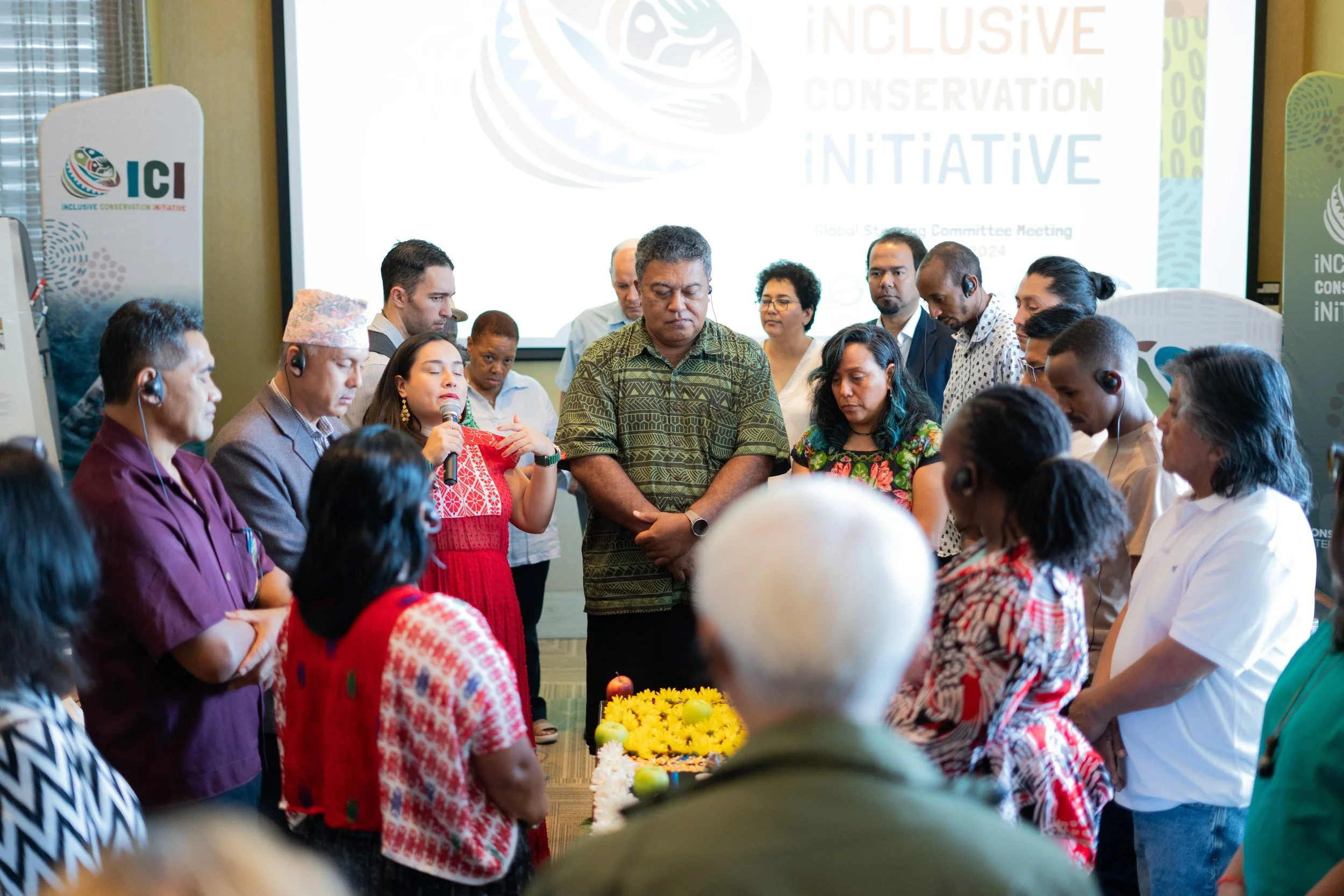
Since its creation, the Inclusive Conservation Initiative (ICI) has worked to promote more equitable and inclusive global environmental governance by strengthening the leadership and participation of Indigenous Peoples and Local Communities, as well as women and youth, in decision-making processes that directly affect their territories, rights, and livelihoods. ICI recognizes that international environmental policy spaces—including the Rio Conventions and other relevant forums—shape decision-making frameworks that directly influence the recognition of Indigenous rights, knowledge systems, and conservation approaches led by Indigenous Peoples and Local Communities.
Building on this foundation, since March 2024, ICI has implemented the International Environmental Policy Fellows Program, aimed at emerging Indigenous leaders actively engaged in organizations connected to ICI initiatives. The program seeks to build a network of 15 fellows and strengthen their informed and strategic participation, as well as their leadership, advocacy, and negotiation capacities in global environmental governance spaces. Through an approach that combines theoretical and practical learning, the program supports fellows in connecting territorial realities and Indigenous knowledge systems with global decision-making processes, contributing to more equitable and inclusive environmental governance.

The ICI International Policy Fellows program is also a community of practice within ICI’s Makanisi Learning Academy. Makaniski is the engine room of ICI, ensuring knowledge sharing and capacity development in every part of the initiative.
A Journey of Learning, Advocacy, and Return
These lived experiences are more than personal stories; they form the foundation of the collective Indigenous leadership the Fellows Program seeks to strengthen and amplify. The program guides fellows through a shared journey, where each stage connects their lived realities with global challenges. Fellows begin with Indigenous-led trainings and mentorships, strengthening their knowledge of international environmental policy, Indigenous rights, and territorial governance, while simultaneously developing their case studies to capture the challenges, innovations, and priorities emerging from their communities and organizations.
As fellows deepen these learnings, they bring their perspectives into international environmental policy spaces, strengthening their advocacy and negotiation skills and ensuring that global decisions reflect their needs, knowledge systems, and rights.
Finally, fellows return to their communities to integrate and share what they have learned, reinforcing local leadership, strengthening collective action, and weaving a continuous cycle of knowledge that connects international spaces with new strategies for resilience, conservation, and territorial governance.
ICI Fellows Journey
-
Selection
Each ICI member country nominates two Indigenous individuals—one female and one male—connected to their communities or organizations. Final selection is approved by the ICI Co-Chairs, ensuring diversity and gender balance.
-
Shared Learning
Fellows receive Indigenous-led mentorship and strategic training in environmental policy, rights, responsible leadership, and territorial management.
-
Applying Knowledge
Fellows simultaneously develop case studies in collaboration with ICI initiatives, linking territorial priorities with the agendas of the Rio Conventions.
-
International Policy Engagement
Participation in international spaces strengthens advocacy and negotiation skills and elevates territorial voices in global decision-making.
-
Weaving Insights at Home
Fellows return to their communities to share learnings, strengthen local leadership, and complete a continuous cycle of learning and territorial action.
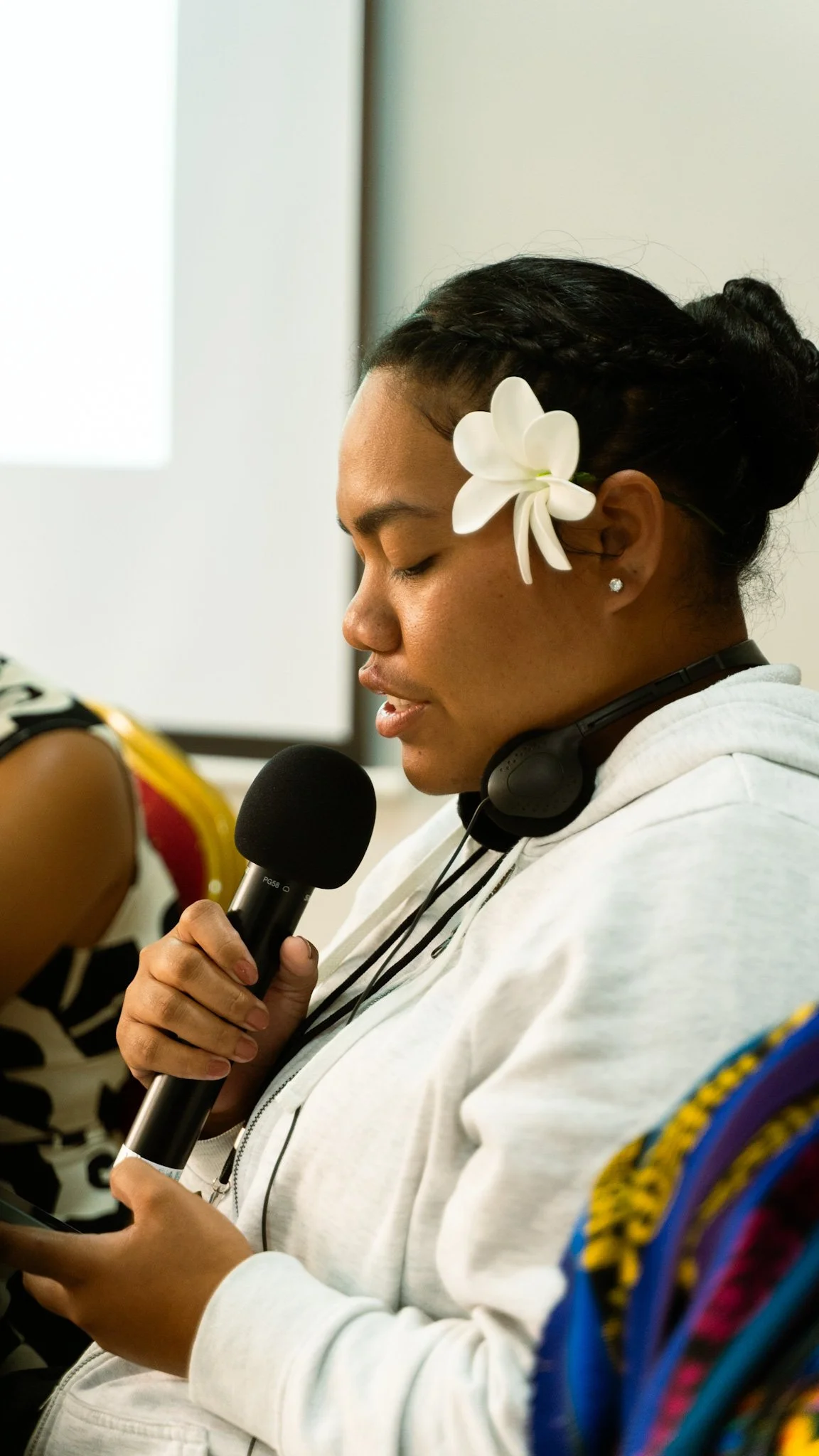
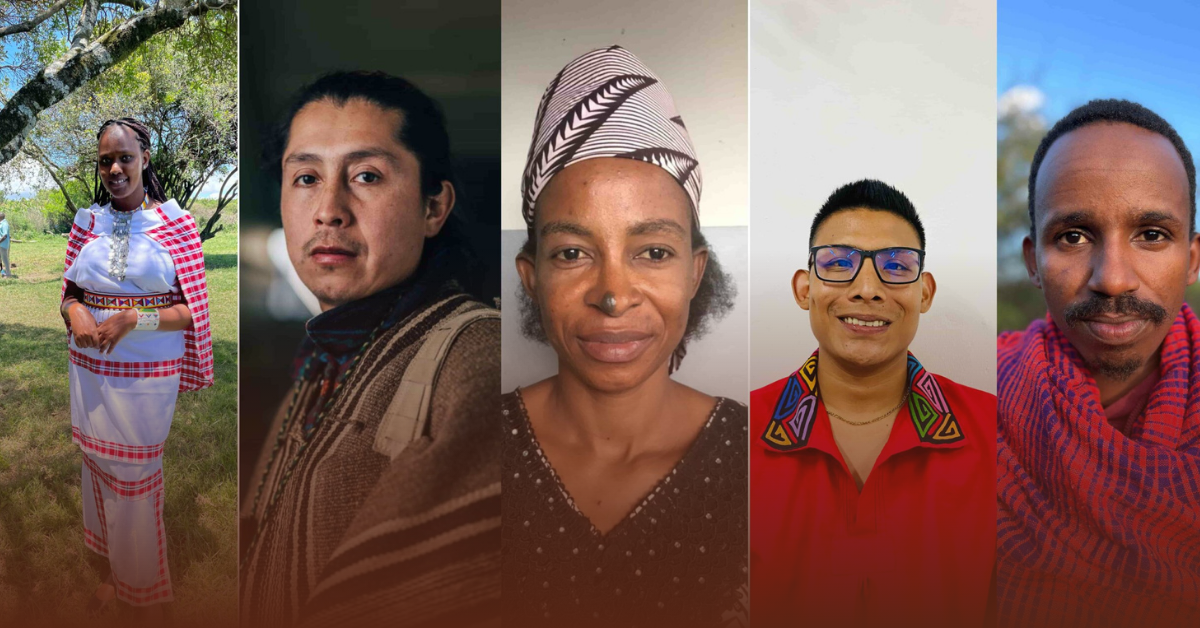
Meet Our Fellows
2026-2027 cohort
2026-2027 cohort
(Peru, Harakbut)
is President of OJEIMAD — the Organization of Indigenous Student Youth of Madre de Dios — and is working to strengthen Indigenous youth leadership in environmental governance and territorial defense in the Peruvian Amazon. His case study focuses on Indigenous knowledge and ancestral wisdom in Amazonian communities in Madre de Dios, exploring how traditional practices contribute to biodiversity conservation, climate adaptation, and the protection of Indigenous territories.
Through participatory workshops and intergenerational dialogue, Eddy seeks to strengthen the transmission of ancestral knowledge to younger generations while promoting the recognition of Indigenous knowledge in environmental governance and conservation policies.
Eddy Menkorle
(Democratic Republic of the Congo, Indigenous Pygmy Peoples)
is a Community Facilitator with ANAPAC DRC (National Association of Indigenous Peoples of the Congo). Her case study focuses on the role of Indigenous women and digital technology in biodiversity monitoring within the Walikale territory of the Congo Basin.
Through community-based research and conservation initiatives, Lucie explores how Indigenous women contribute to the protection of forests and biodiversity while promoting the recognition of traditional knowledge, women’s leadership, and the use of digital tools to strengthen environmental monitoring and territorial conservation.
Lucie Nsombani
(Kenya, Rendille)
is Gender & Social Inclusion Coordinator at IMPACT Kenya (Indigenous Movement for Peace Advancement and Conflict Transformation) and supports initiatives focused on strengthening pastoralist communities’ rights, governance, and participation in the Mid-Ewaso Ng’iro River Basin in Northern Kenya. Her case study explores the implications of underfinancing community land rights for women in Indigenous territories and how limited access to funding affects land governance, inclusion, and benefit-sharing processes.
Through community engagement and participatory research, Judy aims to highlight the barriers Indigenous women face in accessing sustainable finance and decision-making spaces, while promoting more inclusive environmental governance and stronger recognition of women’s rights in territorial management and conservation.
Judy Orehoya
(Tanzania, Pastoralist)
is an intern GIS specialist, surveyor, and data analyst with Ujamaa Community Resource Team (UCRT), where he supports community-led land use planning, participatory mapping, and environmental governance initiatives in northern Tanzania. His case study focuses on GIS-supported community carbon monitoring and land governance in Indigenous pastoralist territories.
Through participatory mapping, GIS technologies, and local knowledge systems, Leng’enda works to strengthen Indigenous communities’ capacity to monitor environmental changes, engage in carbon markets, and safeguard land rights and governance. His work also promotes youth involvement in climate action and environmental decision-making while integrating traditional knowledge with modern geospatial tools.
Leng’enda Meitaya
(Fiji, iTaukei Fijian)
is an active member of the Moce Youth Club and part of the executive committee of the Lau Provincial Youth Council, where she supports youth-led community initiatives and sustainable livelihoods in Moce, Fiji. Her case study focuses on masi replanting and the revitalization of traditional paper mulberry cultivation to strengthen cultural preservation, environmental resilience, and sustainable livelihoods.
Through community participation and traditional knowledge systems, Titilia promotes climate-resilient land management, biodiversity restoration, and the transmission of Indigenous knowledge to younger generations, while supporting women and youth engagement in culturally grounded conservation and local economic development.
Titilia Fifta
Meet Our Fellows
2025-2026 cohort
2025-2026 cohort
(Cook Islands, Cook Islands Māori)
is working with UANKA, aiming to strengthen sustainable traditional staple foods and integrate customary values into schools to safeguard cultural practices.
Matauri Miria
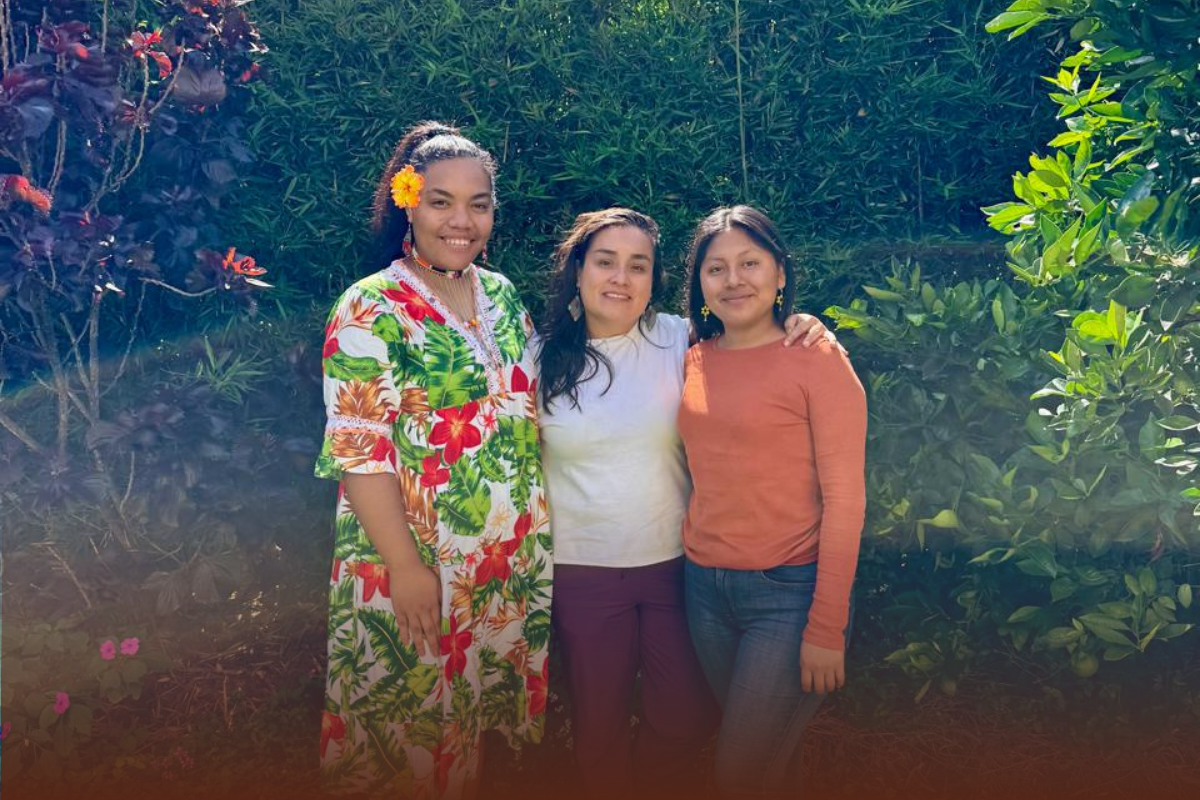
(Fiji, iTaukei)
is engaged with Conservation International and the Lau Seascape Yaubula Initiative seeks to use the Fellowship to build skills and policy experience to mobilize more young people in the sustainable management and protection of marine and terrestrial resources.
Apisai Kalivakarua
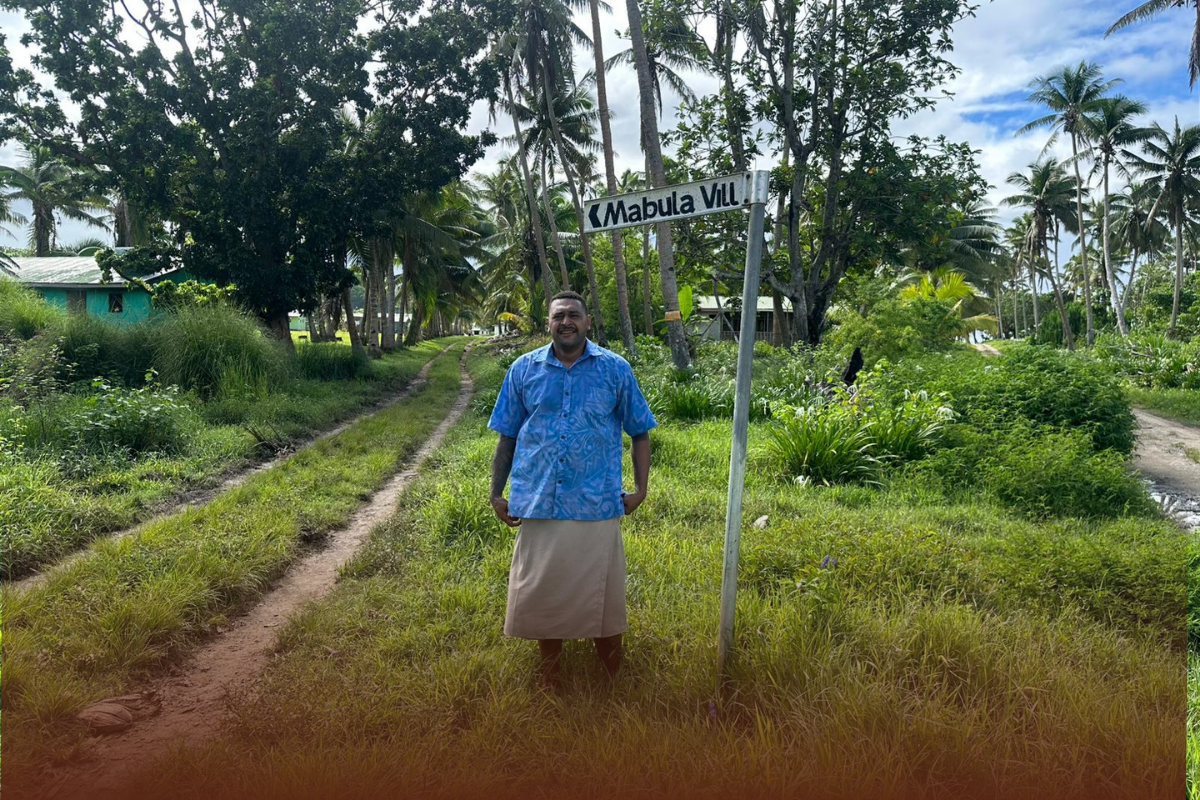
(Thailand, Phutai)
works with IPF on education, environment, and community-led soil, water, and forest conservation, aiming to strengthen advocacy for traditional livelihoods and accountability on climate, pollution, and extractive pressures.
Chanchira Tawangthan

(Guatemala, Maya Mam)
is working in public policy and advocacy aims to strengthen Indigenous youth training in native reforestation, seed conservation, and forest protection, with a focus on young women’s entrepreneurship and hard-to-reach communities.
Krizzley Ordóñez
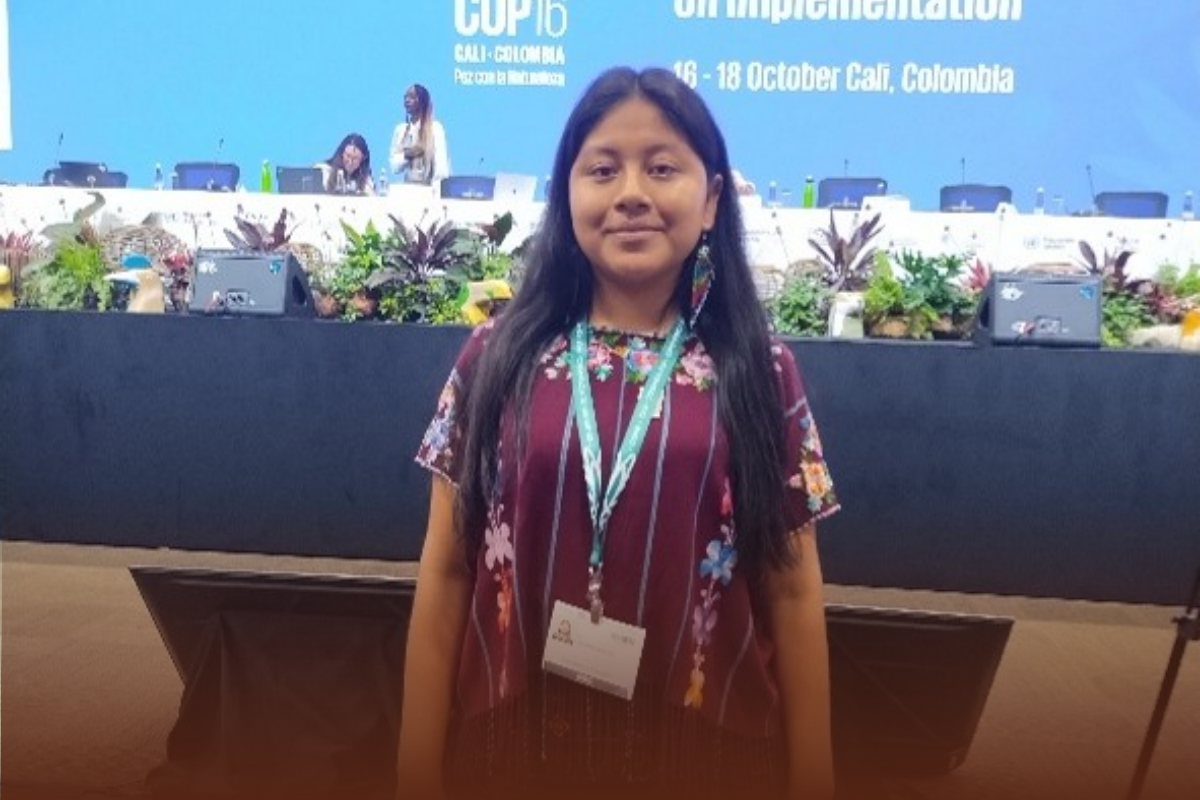
(Argentina – Chile, Mapuche)
seeks to train communities in international environmental policy to strengthen informed decision-making in territorial management.
Luna Larrat
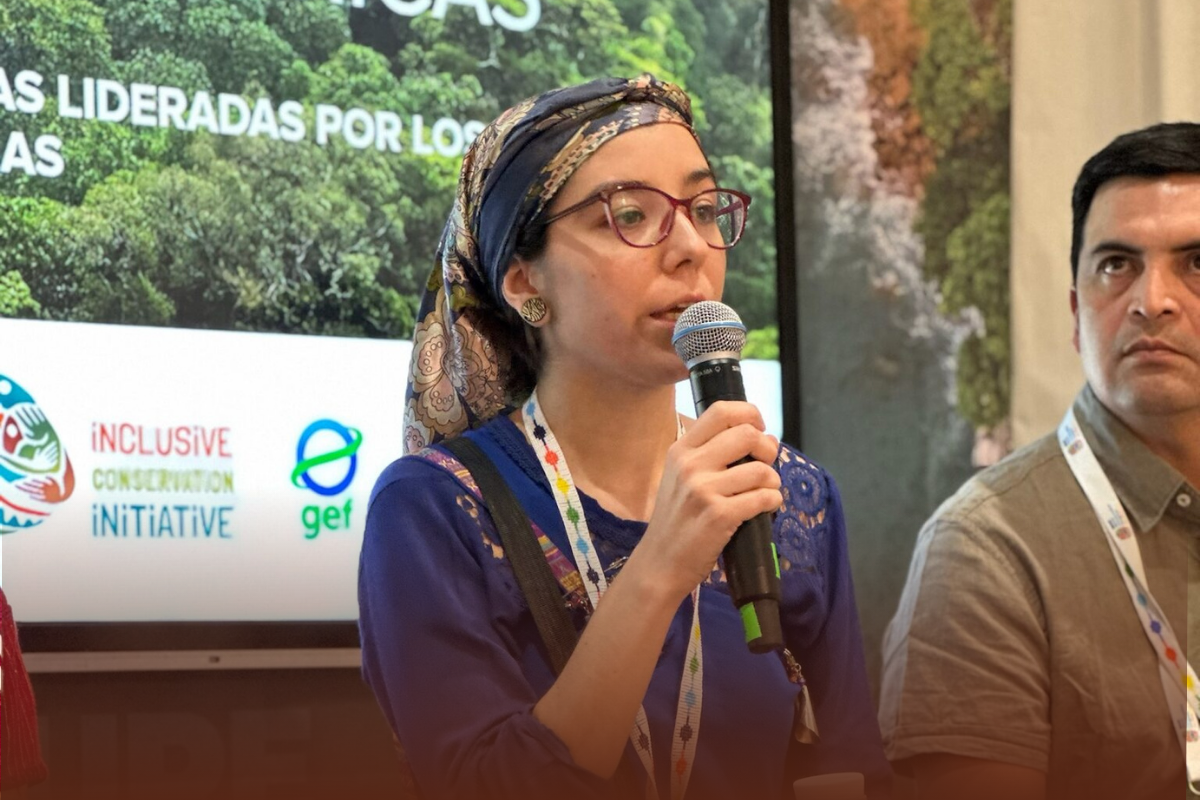
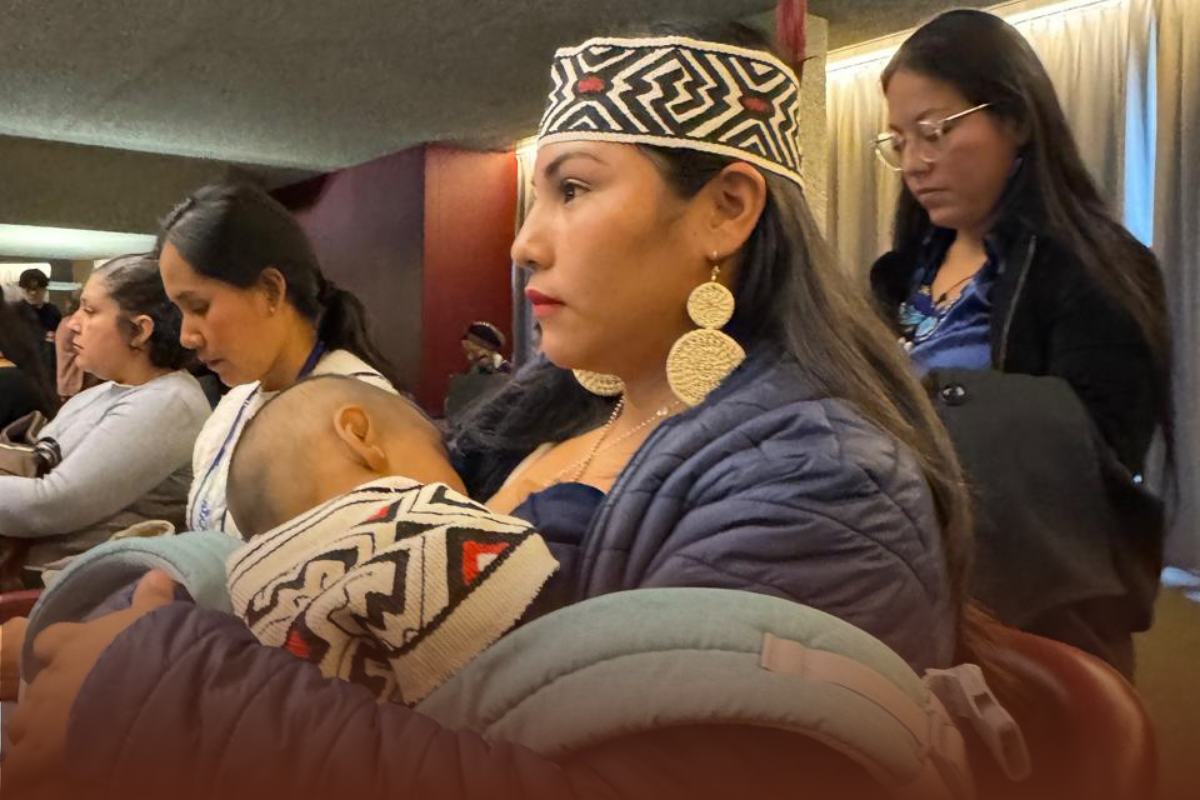
(Peru, Yine)
is serving with the Autonomous Territorial Government seeks to build knowledge of global environmental policy to advance the Yine Nation’s vision of peaceful coexistence with Indigenous Peoples in Isolation and Initial Contact.
Maglin Alvarado
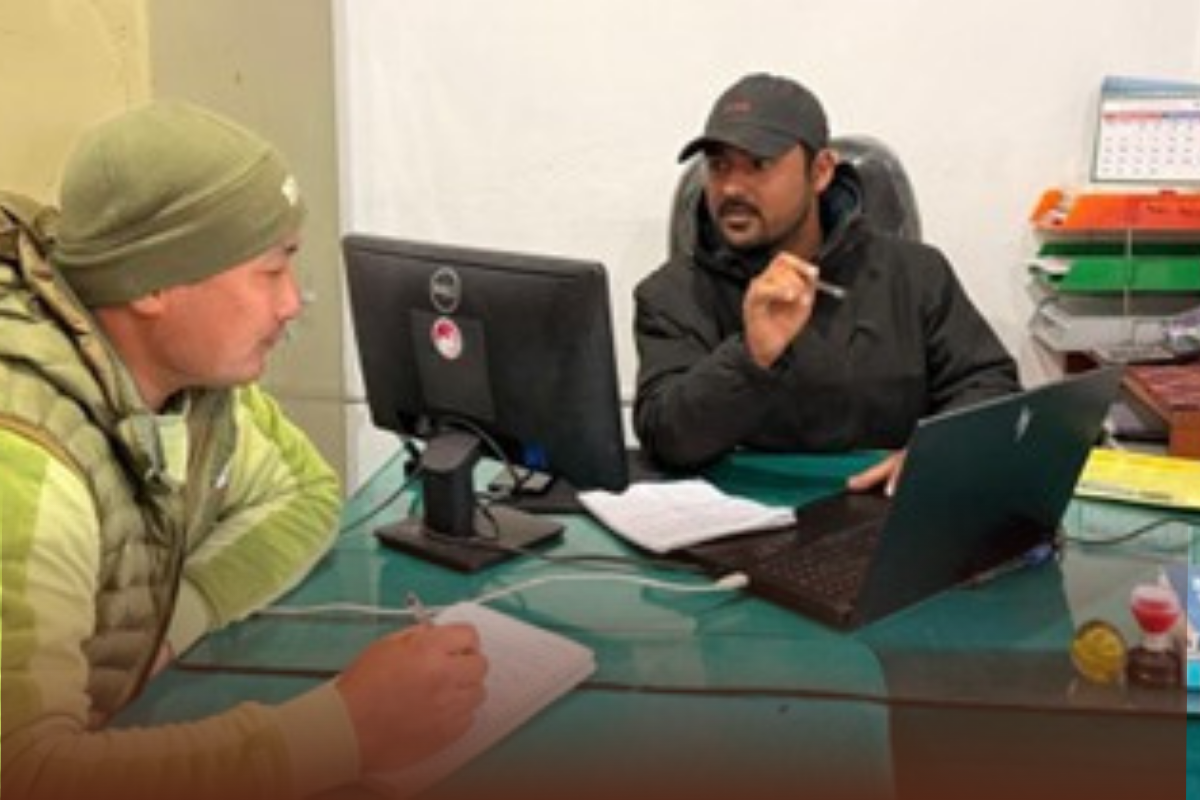
(Nepal, Thakali)
works to integrate Indigenous knowledge, customary Mukhiya governance, and spiritual practices into conservation while building youth and women’s capacity to influence Indigenous-led environmental policy and decision-making.
Sanjog Thakali
2024-2025 Cohort
-
![Image of Catherine Losurutia a Pastoralist youth from Tanzania]()
Catherine Losurutia (Tanzania, Pastoralist)
Catherine, a gender field officer, is dedicated to empowering, mobilizing, and raising awareness among women. Her main role is to advocate for women’s rights to land, leadership, and natural resources, promoting gender equity and active participation of women.
Catherine’s project focused “on strengthening local governance structures, natural resource management, increasing land security for Indigenous communities, as well as improving gender equality and economic empowerment for women and youth among communities in the Northern part of Tanzania.”
-
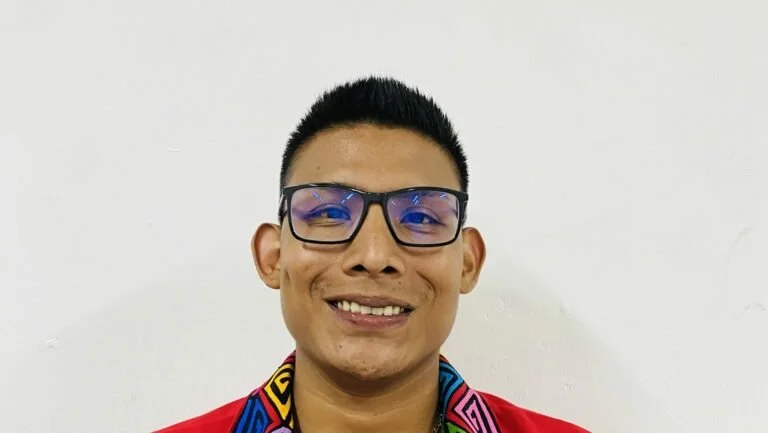
![Profile photo of Onel Iguairquipiler, a Guna youth from Panama]()
Onel Iguairquipiler (Panama, Guna)
Onel leads the youth and biodiversity program in his organization, dedicated to engaging young individuals in conservation, environmental issues, and indigenous rights. Seeking financial support, he utilized the ICI Fellowship program to strengthen his efforts with the youth, ensuring their participation in ICI project activities and other initiatives.
His case study “aimed at young people with the objective of analyzing participation and decision-making of youth in the conservation of biodiversity and Indigenous knowledge. It is essential to consider that there is currently no active involvement of young people in these matters in my village.”
-
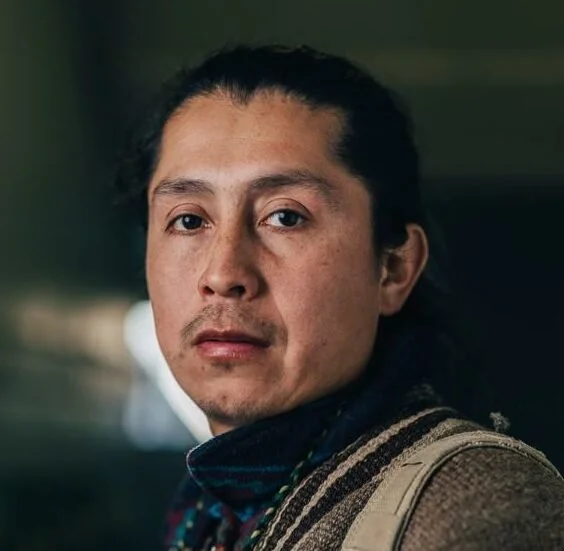
![Profile image of Francisco Colipe, a Mapuche youth leader from Chile]()
Francisco Colipe (Chile, Mapuche)
Within the organization Futa Mawiza, Francisco works to strengthen the management and governance of biocultural territory. His approach allows for the full exercise of collective rights and the definition of community-driven development priorities.
“As a member of the Futa Mawiza ICI initiative,” Francisco’s Fellows work focused “on strengthening the management and governance of the biocultural territory. My main goal will be to fully exercise our collective rights and actively contribute to defining our own development priorities.”
-
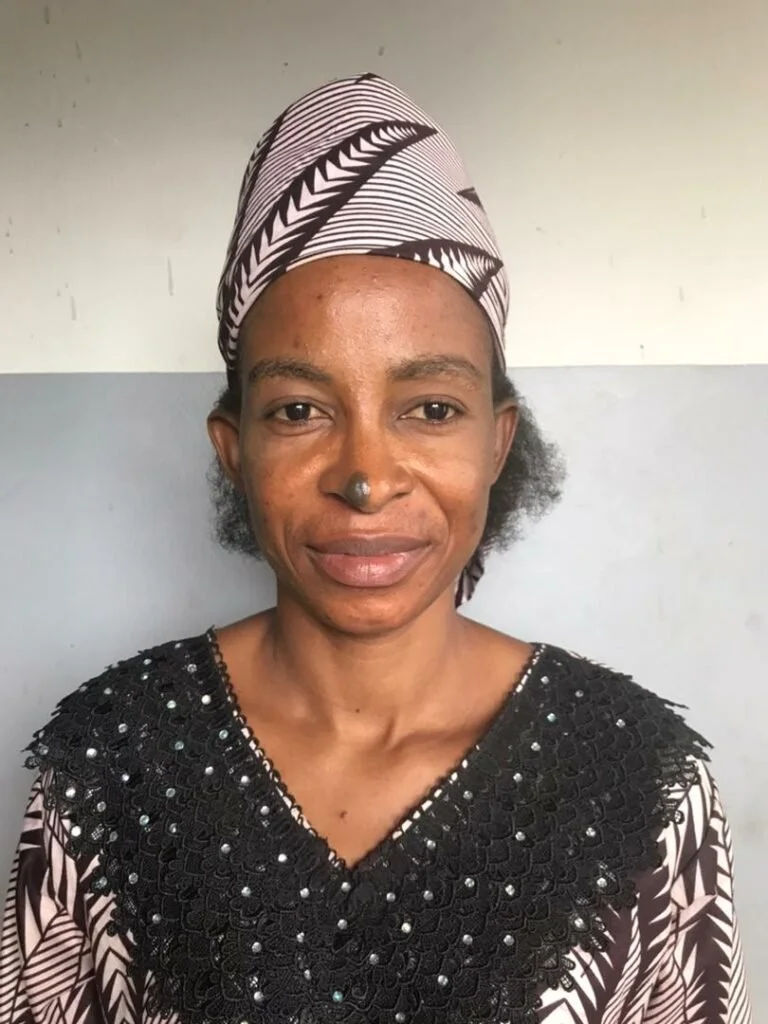
![Esther Ngalula from DRC wears a traditional hat]()
Esther Ngalula (DRC, Kinshasa)
Esther, an indigenous woman leader and community facilitator, plays a prominent role in advocating for conservation based on equity, justice, and rights in the Democratic Republic of Congo (DRC). Her involvement significantly contributes to environmental protection and indigenous rights in the region.
Esther’s project focused, “on the contributions of traditional knowledge in maintaining forest integrity, biodiversity conservation and climate resilience in the Kisimbosa community forest in eastern DRC.”
-
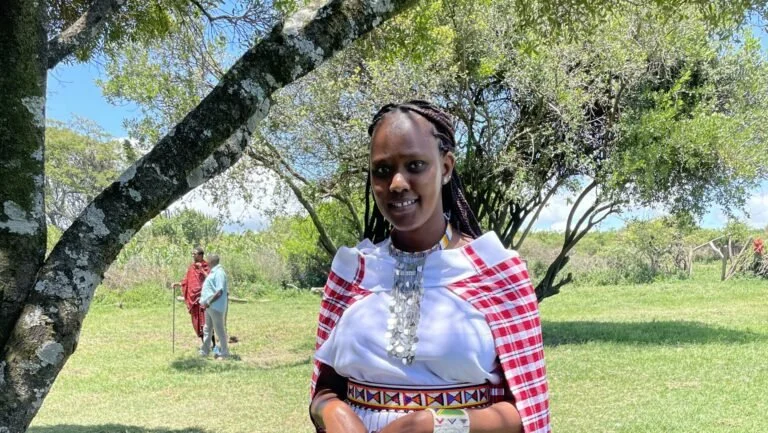
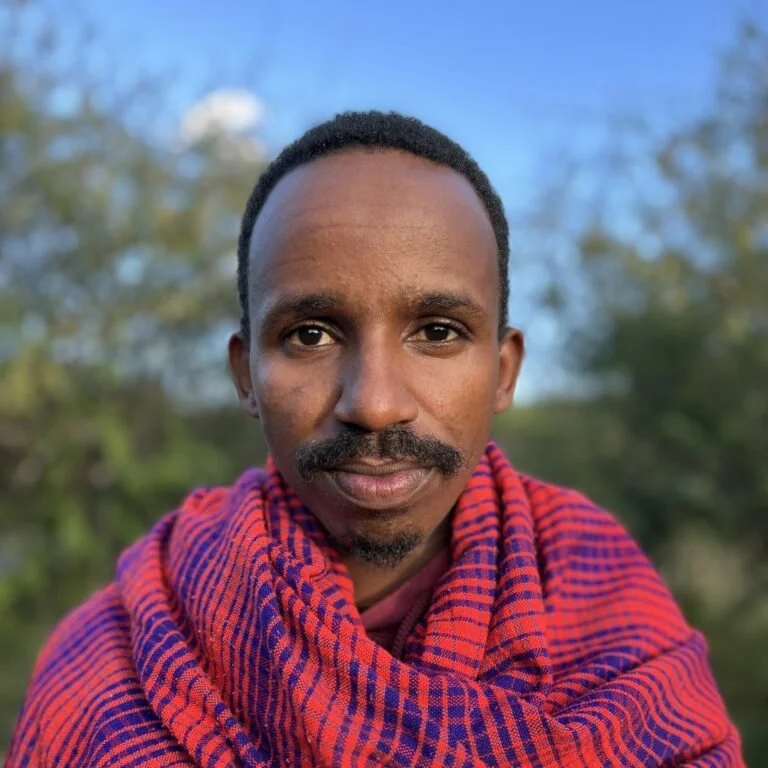
![William Naimado a Maasai youth from Kenya in traditional wool]()
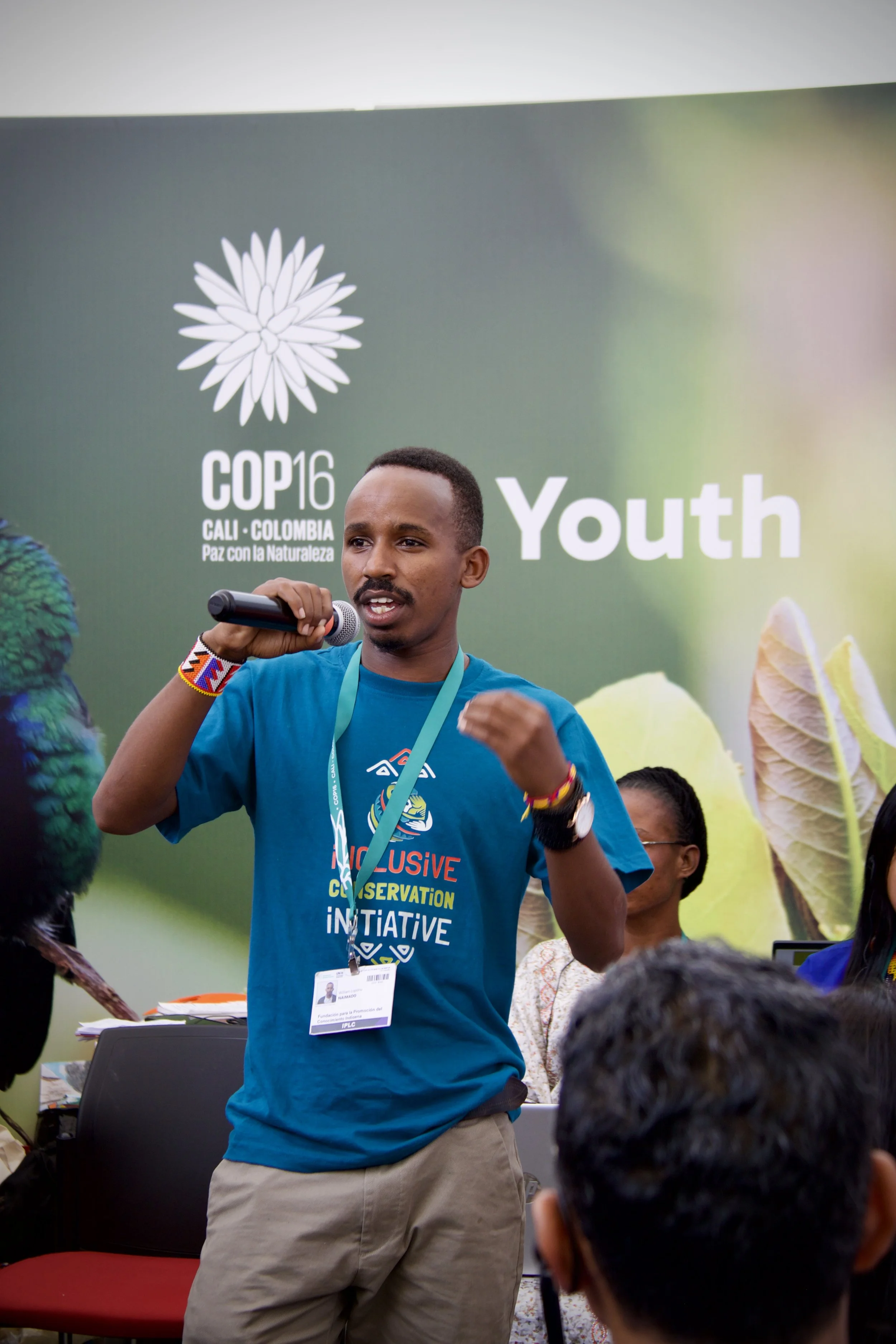
William Naimado (Kenya, Maasai)
William plays a crucial role in supporting the internal strengthening of pastoral communities in the Mid-Ewaso Ng’iro River Basin. His focus is on empowering these communities to effectively manage their territories, utilizing traditional knowledge systems and aligning with their aspirations.
William used his Fellowship for “looking into the use of traditional knowledge in biodiversity protection and wildlife conservation in the Mid-Ewaso Ngiro River ecosystem. There is a non-recognition of traditional knowledge in mainstream advocacy platforms and in setting global priorities.” His case study helps bring into light how Indigenous traditional knowledge has helped communities in biodiversity protection, wildlife conservation and living in harmony with everything surrounding them.
Authored by the 2024 co-hort