
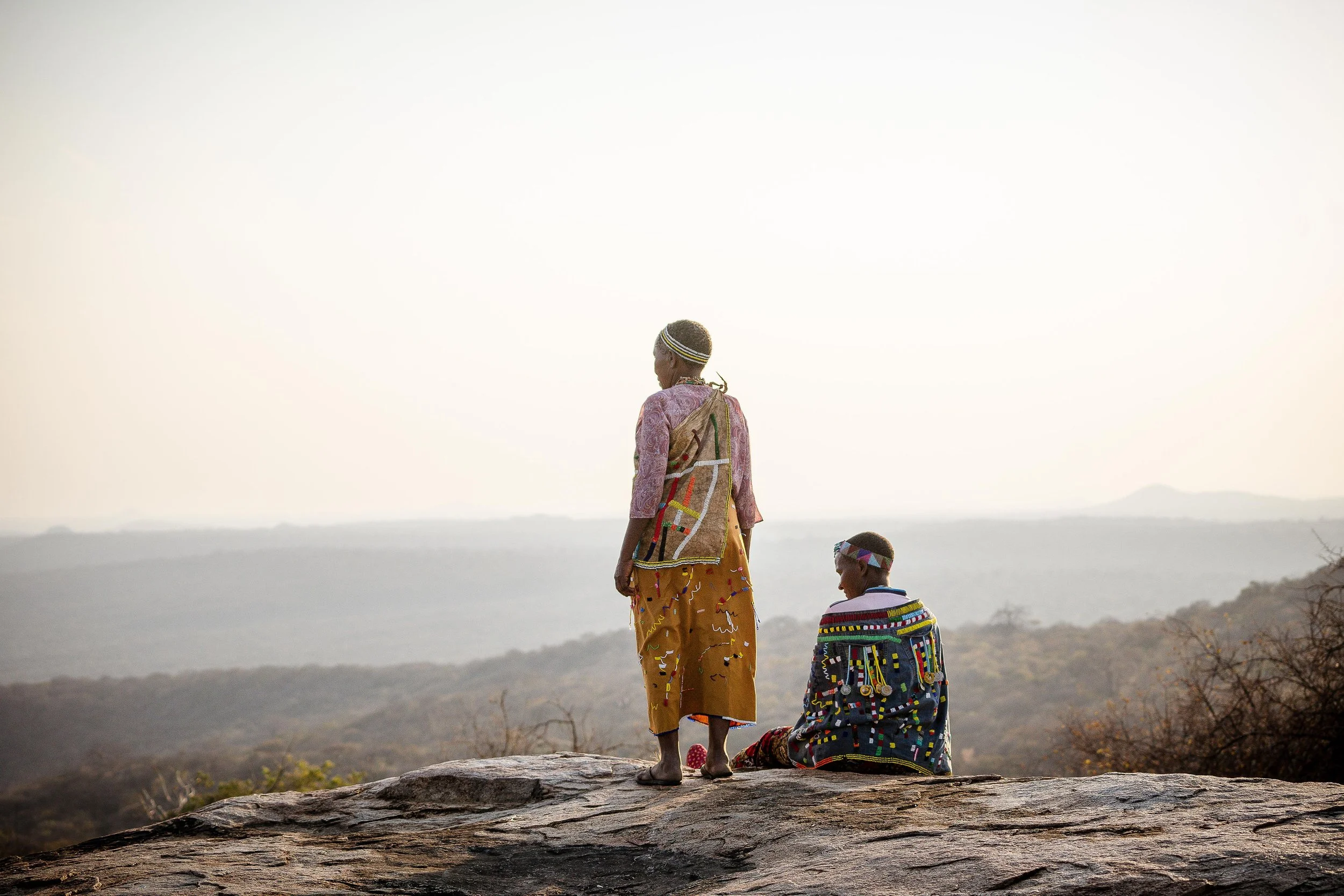
Northern Tanzania
Empowering pastoralist, agro-pastoralist, and hunter-gatherer communities in Northern Tanzania
About
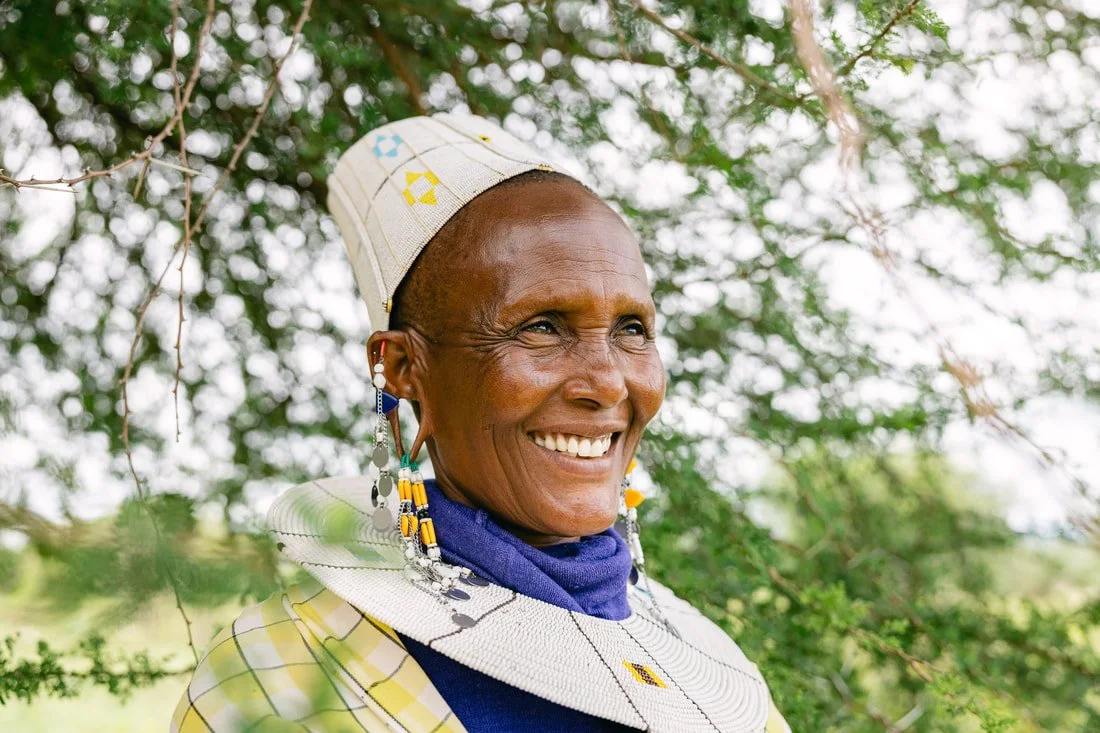
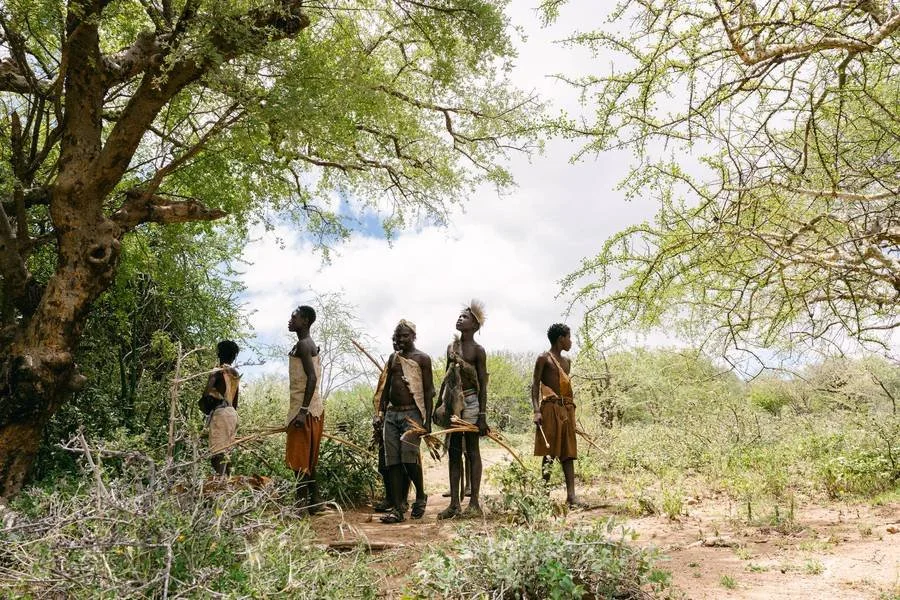
In Tanzania, the Ujamaa Community Resource Team (UCRT) is working to improve the lives of pastoralist, agro-pastoralist, and hunter-gatherer communities in northern Tanzania by empowering them to sustainably manage and benefit from the natural resources on which their livelihoods depend.
UCRT operates in a globally significant ecological system of rangelands extending south and east of the greater Serengeti – Ngorongoro that supports a rich diversity of wildlife and people. The initiative’s goals are to legally secure communal village lands for Indigenous communities in three key biodiverse landscapes through participatory land use planning and land tenure mechanisms, train and coach village councils and natural resource committees responsible for managing rangeland and forest resources for the areas to be sustainably managed by Indigenous governing structures, and develop sustainable natural resource-based income-generating activities.
Through this initiative, ICI supports the restoration of 270,000 hectares of natural grass and woodlands, improves practices across 372,000 hectares of terrestrial protected areas, strengthens management of 200,000 hectares, and engages 39,655 direct project stakeholders.
Led by
Ujamaa Community Resource Team (UCRT)
Key ICI achievements in Northern Tanzania
-
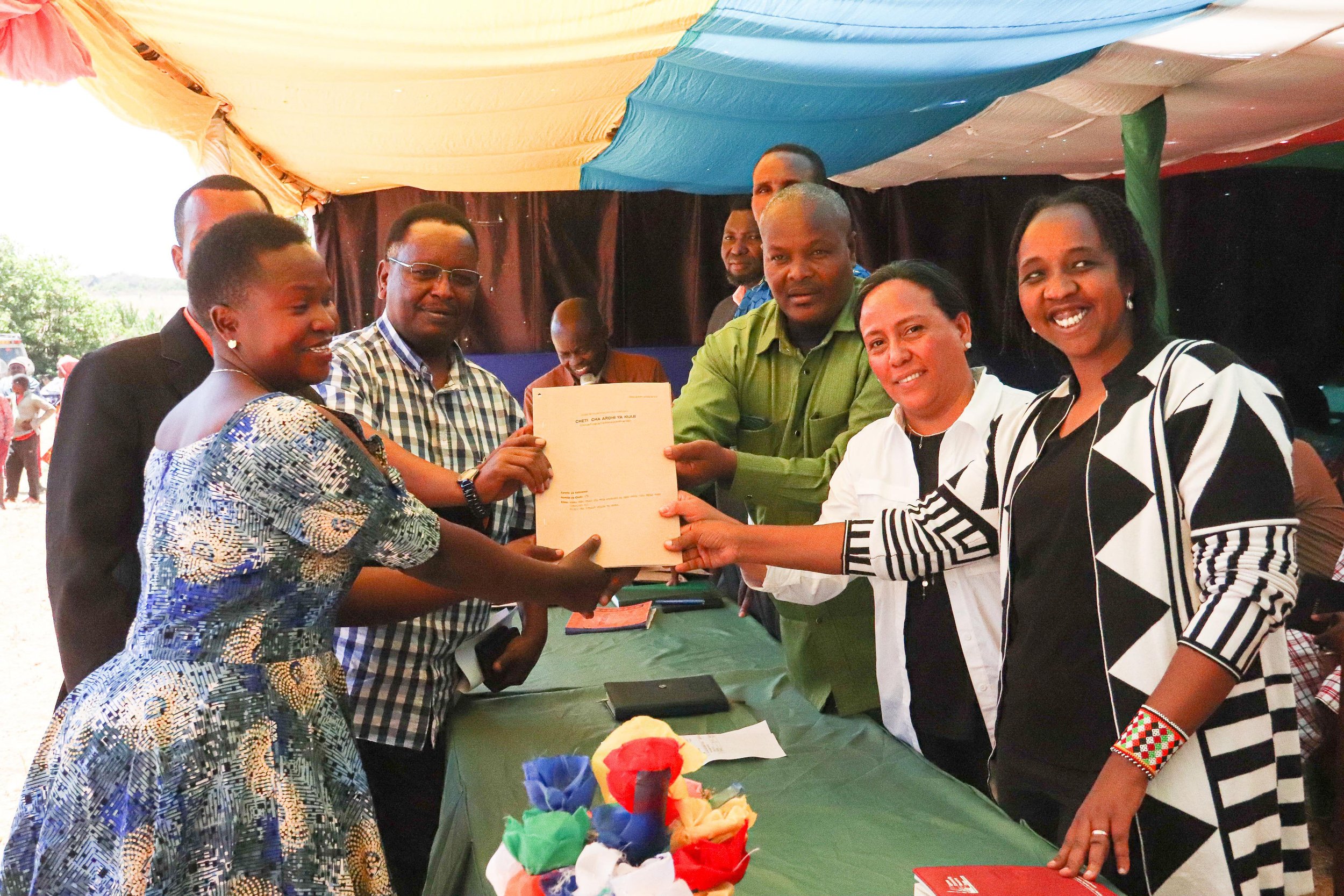
![A group of people at an outdoor event, with five individuals in focus, exchanging documents, with a table decorated with colorful paper flowers in front of them, under a canopy with multicolored fabric in Northern Tanzania.]()
12 Village Land Use Plans (VLUP) completed
12 Certificate of Village Lands (CVLs) (6 issued, 6 in progress) securing 203,390 ha of communal land and enabling Certificate of Customary Right of Occupancy (CCRO) issuance.
-
![]()
VLUP Stage 4 achieved in 5 villages
participatory planning completed in 4 more (~197,377 ha under land use plans).
-
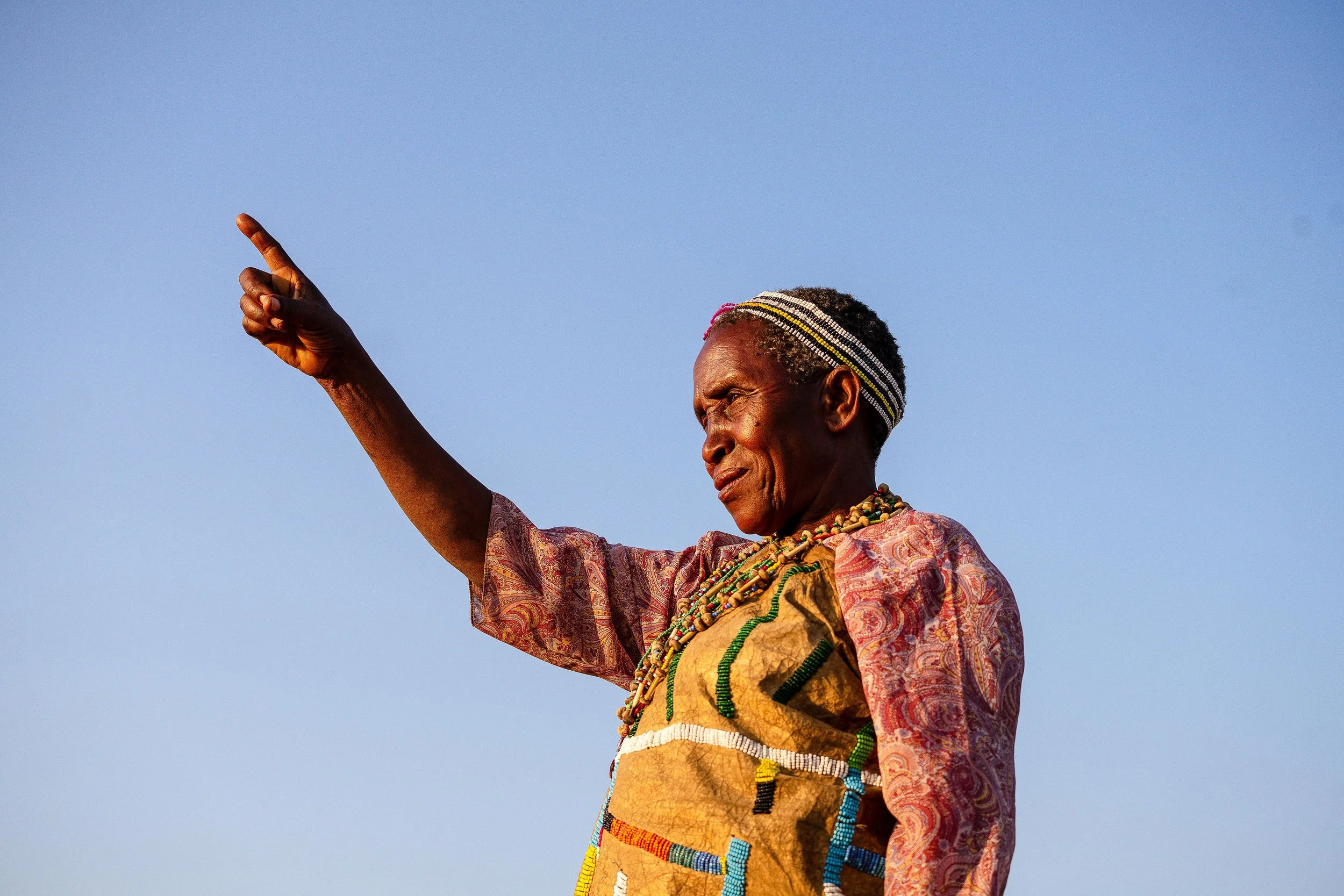
![An older Indigenous Tanzanian woman dressed in traditional attire with colorful necklaces, pointing into the distance against a clear blue sky.]()
13 communal CCROs covering 118,837 ha
242 individual CCROs issued to women and persons with disabilities.
-
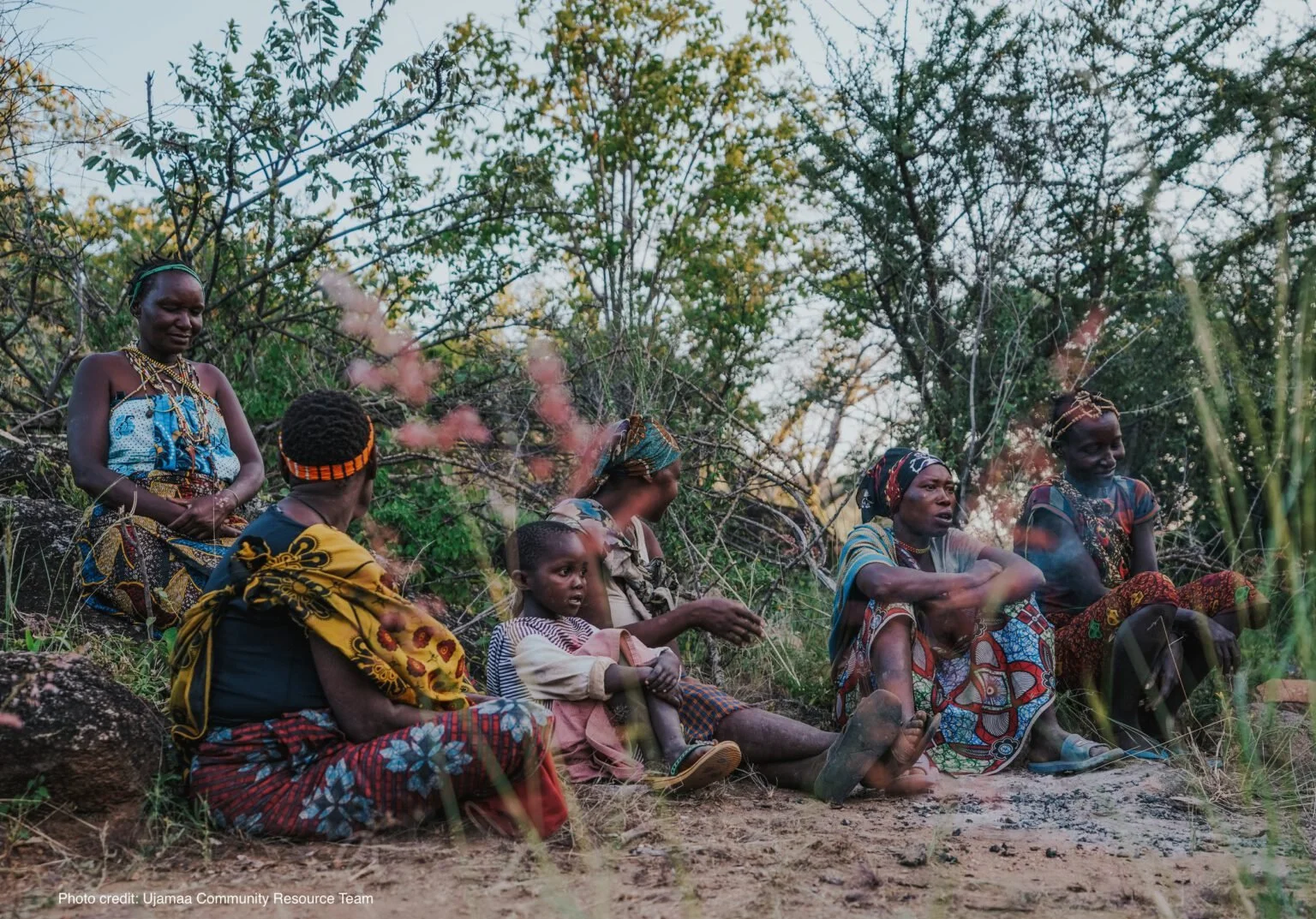
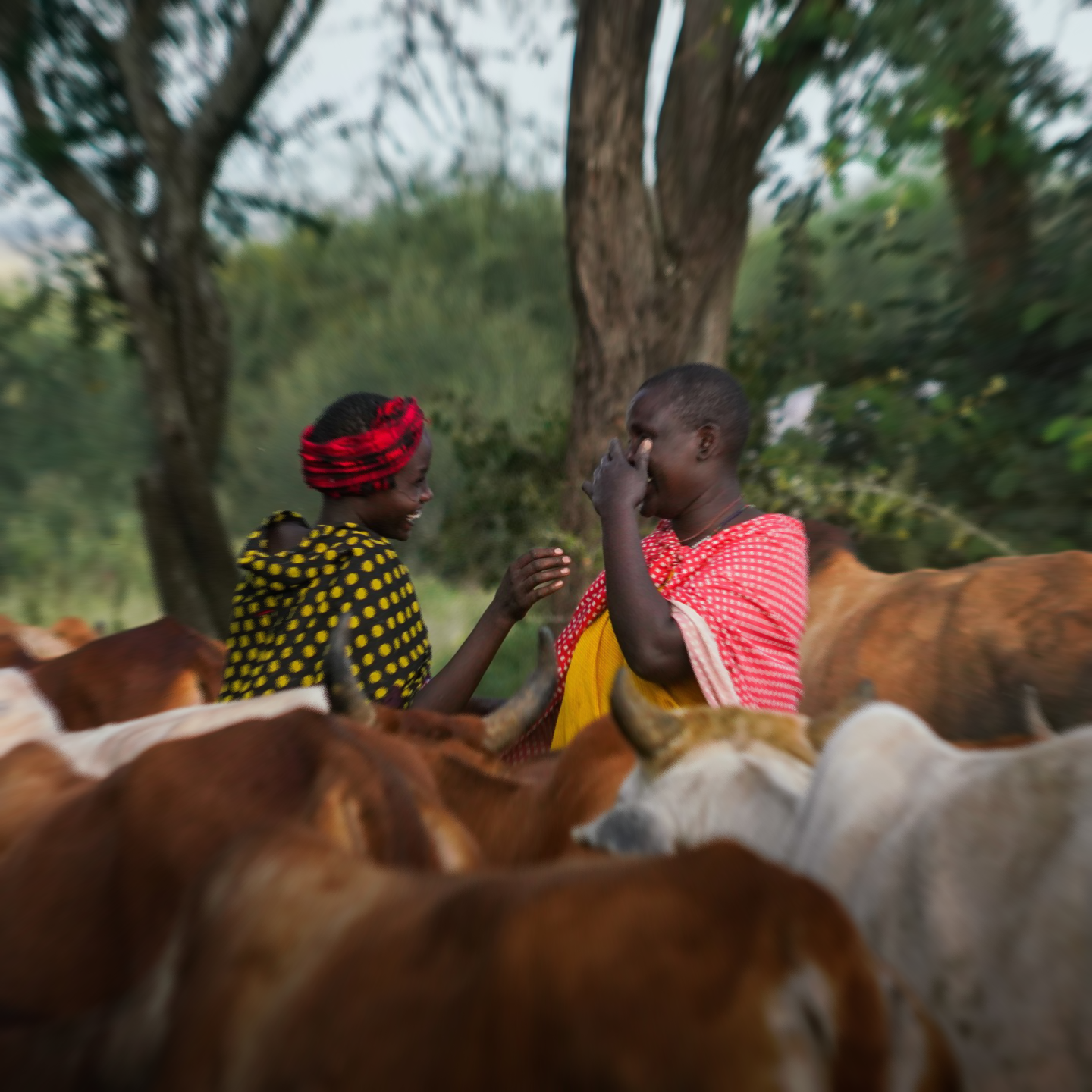
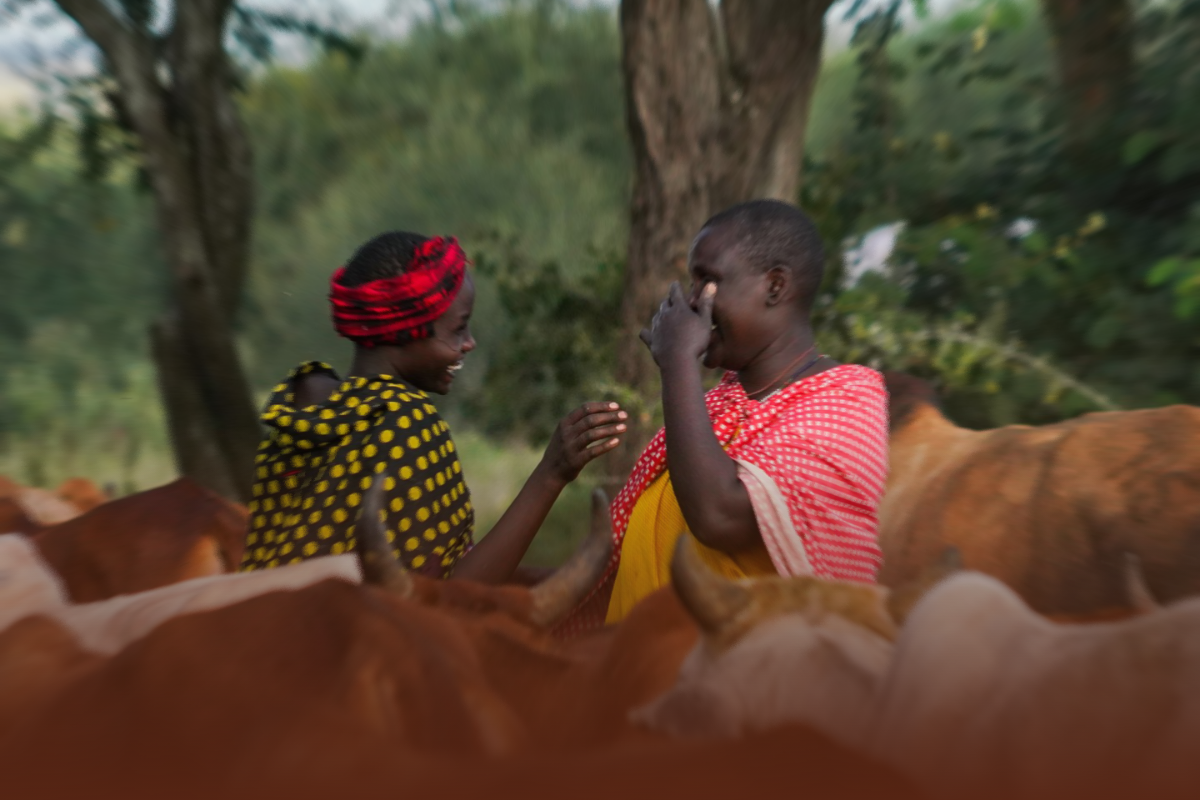
![Two African women in colorful clothing smiling and talking among cattle in a rural area with trees in the background in Northern Tanzania.]()
Multi-village committees established
32 grazing coordinators nominated; ~360,000 ha under community monitoring.
-
![]()
355 beehives distributed
USD 6,006 seed capital via Village Community Banks (VICOBA); 48 women-led enterprises initiated; USD 26,171 in cumulative VICOBA investments.
-
![]()
1,501 IP and LC members engaged (~50% women)
cross-village committees established, including Hadzabe representation.
Explore Related News from UCRT

The Region
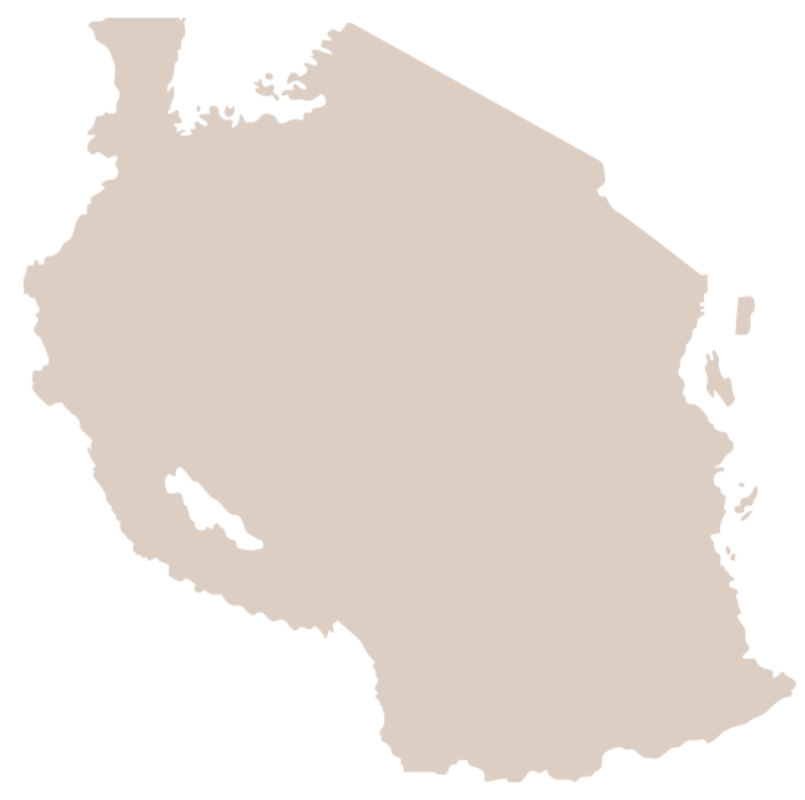
Approximate area in hectares:
1,450,528.41
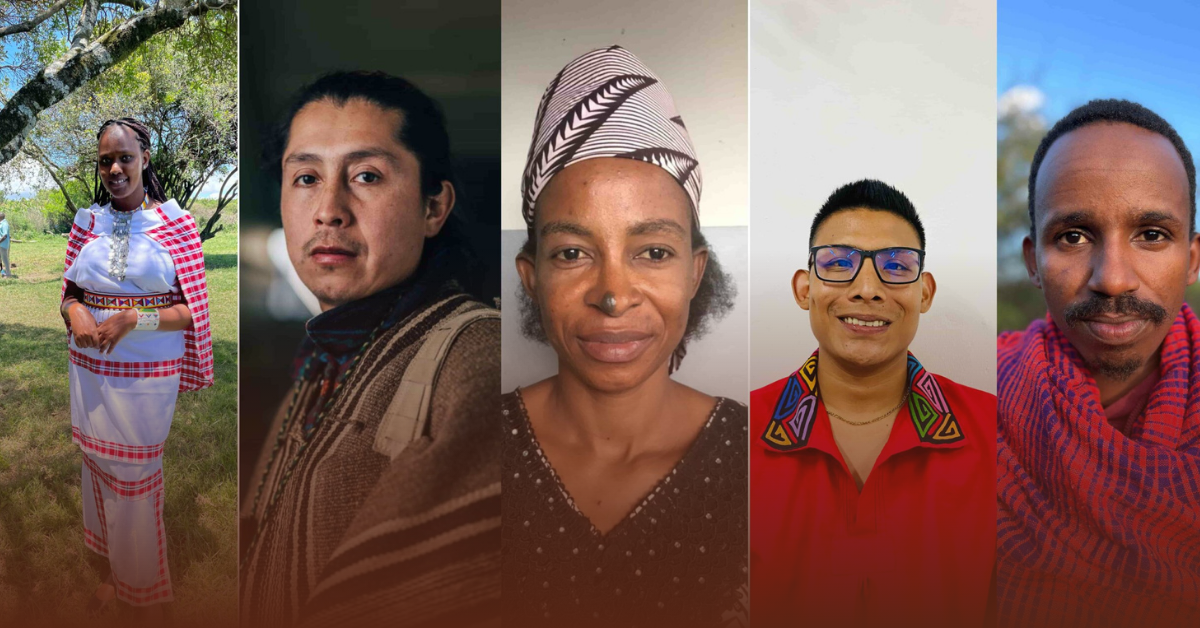
Indigenous Akie; Datoga; Hadzabe; Iraqw; Maasai and Batemi population:
156,299
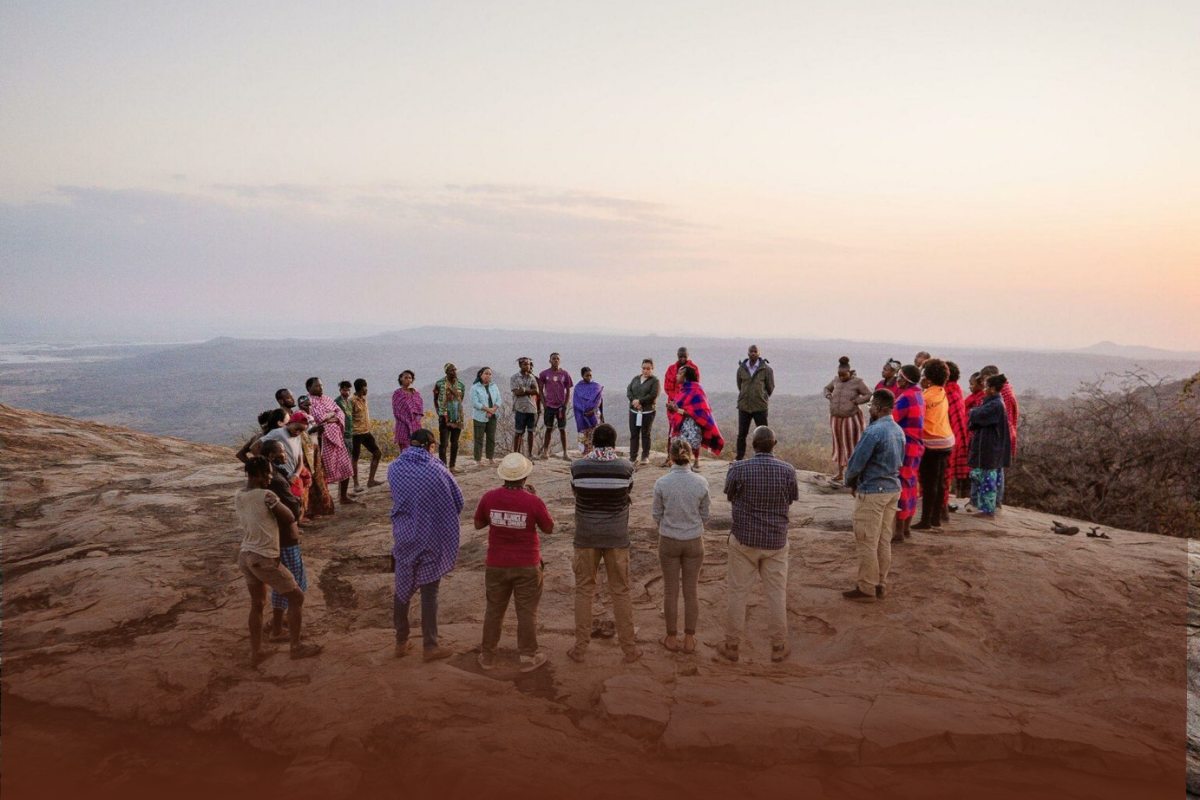
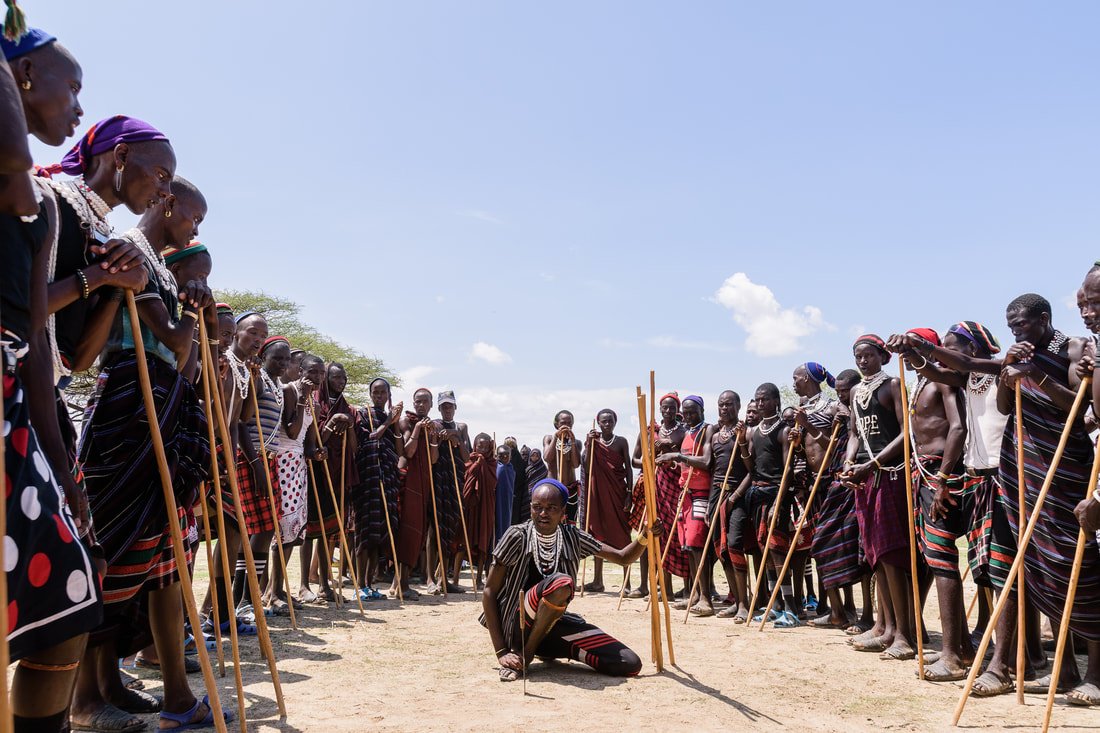
The Northern Tanzania rangelands represent a globally significant ecological system that supports a rich diversity of wildlife and people, including the Akie, Datoga, Hadzabe, Iraqw, and Maasai. This savanna landscape provides a vital function for wildlife, while remaining integral to the livelihoods and cultures of indigenous groups. Broadly speaking, the project area extends across critical areas of rangeland connectivity south and east of the greater Serengeti – Ngorongoro and make up the northern and southern most extents of the Tarangire – Manyara ecosystems. This area is most known for its extensive wildlife migrations including over 4,000 elephants and around 20,000 zebra and 20,000 wildebeest. The area maintains several diverse ecological features, including three large soda lakes, afro-montane forests atop Great Rift valley volcanic mountains, short grass plains and seasonal wetlands, dense woodlands and acacia forests, and riverine systems.
About Northern Tanzania
Percentage of the country’s land area under recognized IP or LC ownership:
75%
(Source: RRI: 2015. Who Owns the World’s Land?)
Number of Land Defenders Killed 2016-2018:
2
(Source: Global Witness)
Biodiversity Significance
Local Context
-
Agriculture
Livestock
Non-timber Forest Products (NTFPs)
Tourism
Hunting
Payments for Ecosystem Services
-
Agricultural expansion and commercialization
Climate change
Deforestation, overgrazing, and overexploitation of wildlife and other natural resources
Invasive species
Human-wildlife conflict