
Futa Mawiza Biocultural Territory
Strengthening kvme felen in the Futa Mawiza Biocultural Territory of Argentina
About
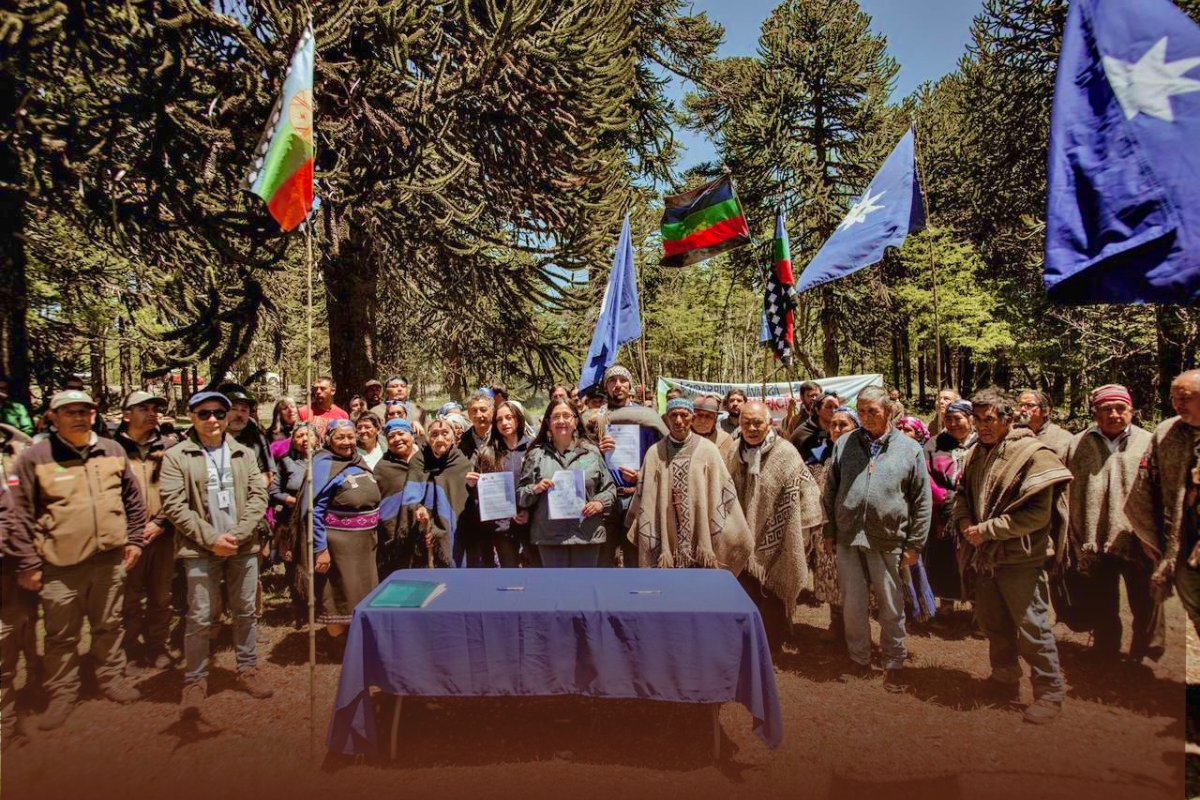
In Argentina, the Futa Mawiza Initiative is strengthening the protection and governance of the Futa Mawiza Biocultural Territory through a self-determined process rooted in Mapuche cosmovision, knowledge, and traditional practices. This work supports the full exercise of collective rights and reinforces community-led stewardship of ancestral lands.
Led through a consortium, the initiative advances territorial management efforts, strengthens sustainable community livelihoods, and fosters intergenerational knowledge exchange through the creation of a traditional knowledge program. It also promotes national and international advocacy to secure recognition and culturally appropriate support for Indigenous Conservation Territories, while strengthening the capacities of Mapuche traditional authorities and territorial leaders.
While Futa Mawiza Chile and Futa Mawiza Argentina operate as distinct initiatives, they share a common objective: to strengthen and consolidate Mapuche governance across borders, recognizing and advancing it as one interconnected territory.
Under this initiative, ICI aims to improve the management of 22,205 hectares in Argentina, engaging 2,500 direct project stakeholders.
Led by
Fundacion Ambiente y Recursos Naturales (FARN) – Argentina
in collaboration with the Mapuche Federation of Neuquen
Key ICI Goals and achievements
-
![Group of four people sitting outdoors on grass, engaged in conversation, with a house, trees, and mountains in the background.]()
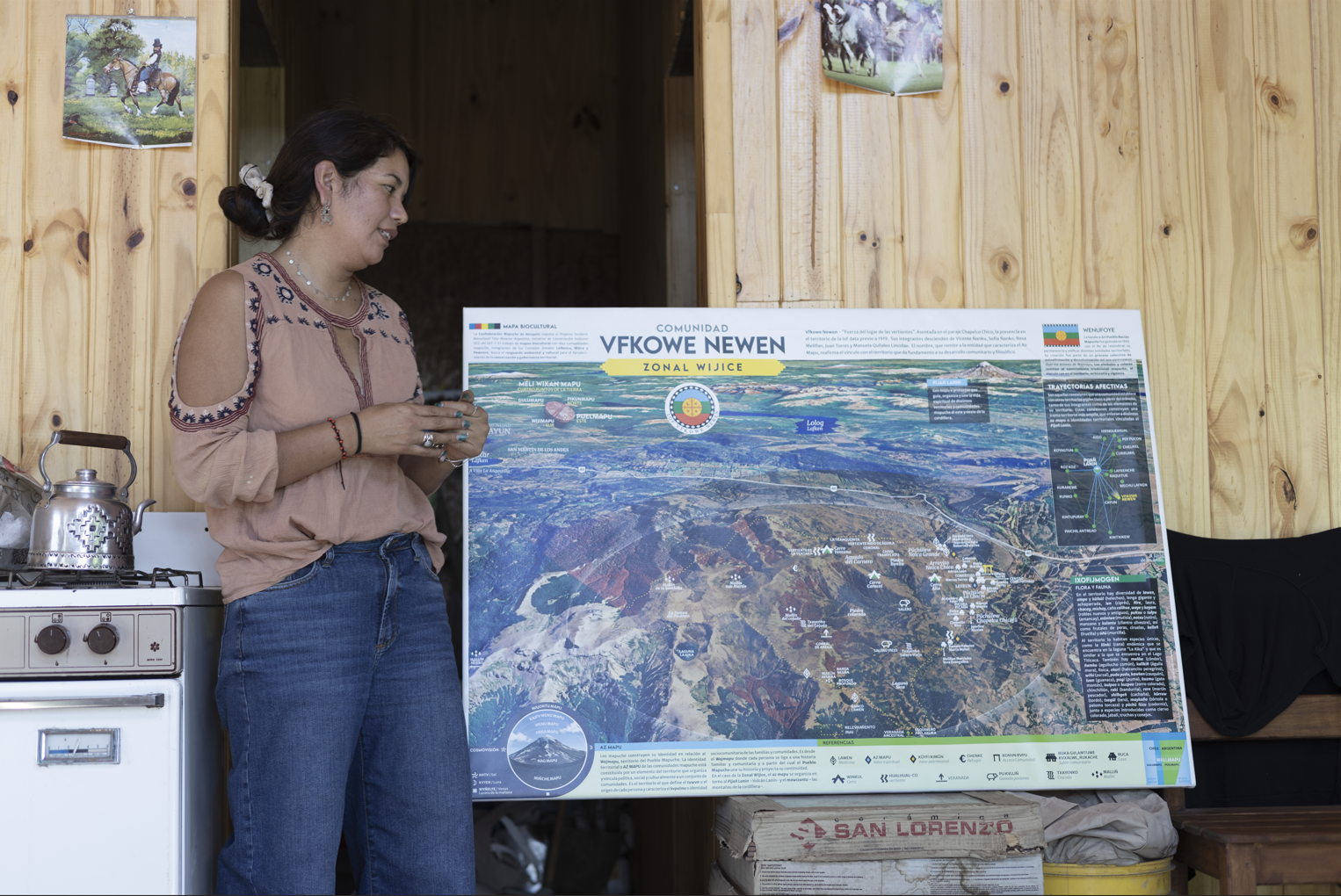
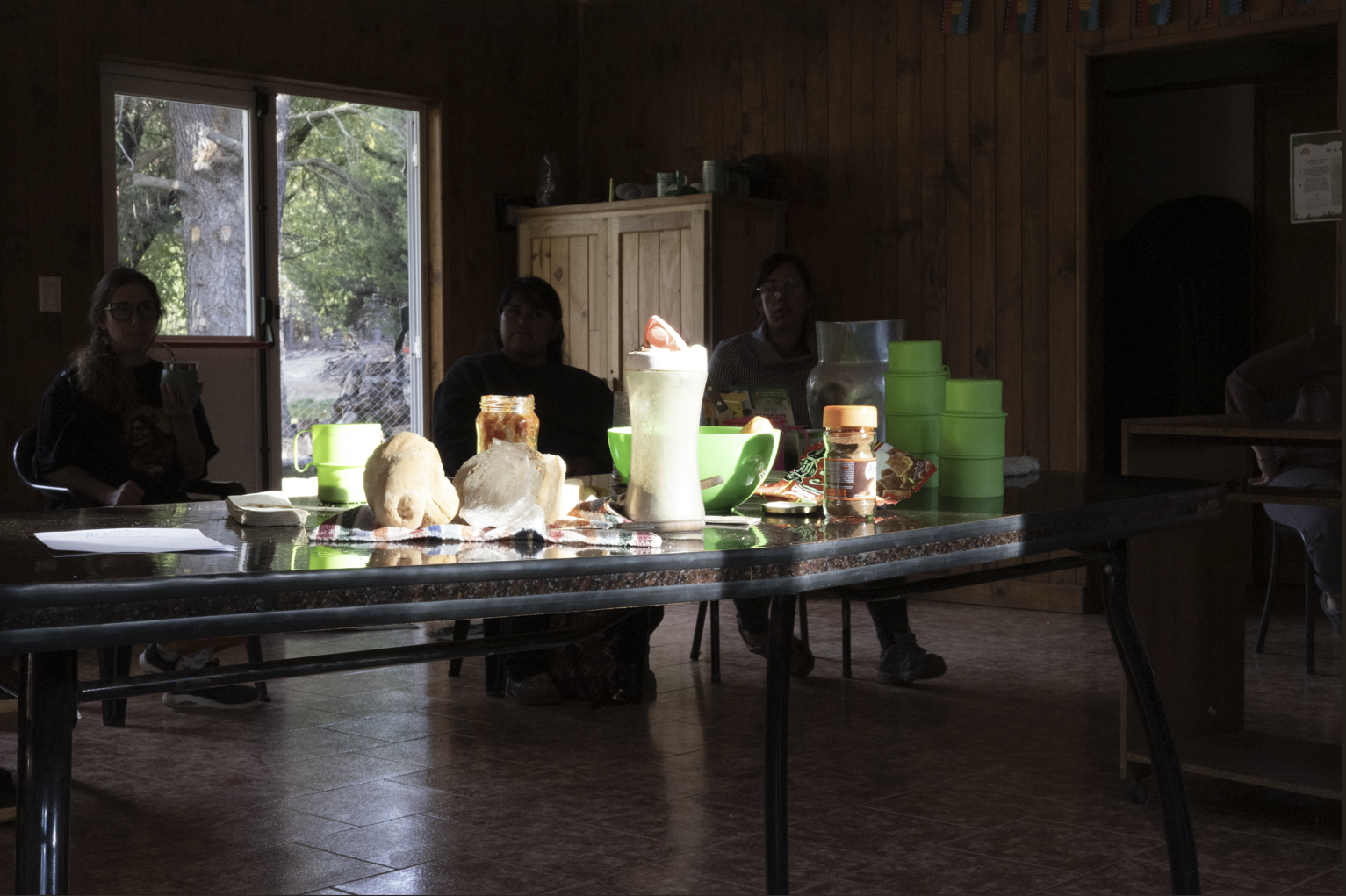
10 Mapuche communities created biocultural maps
across 3 Mapuche zones documenting ancestral territories through oral histories and territorial journeys
-
![]()
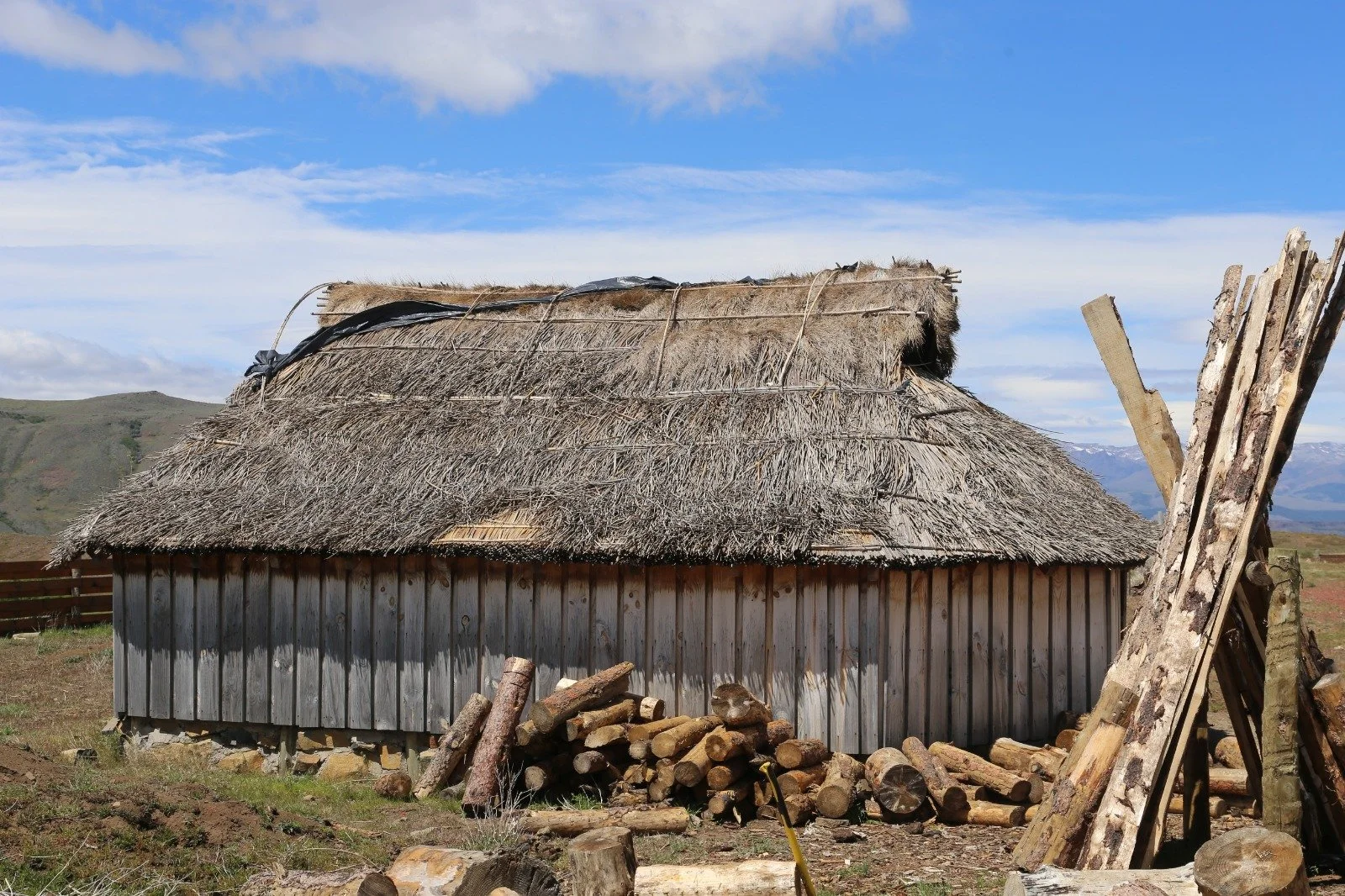
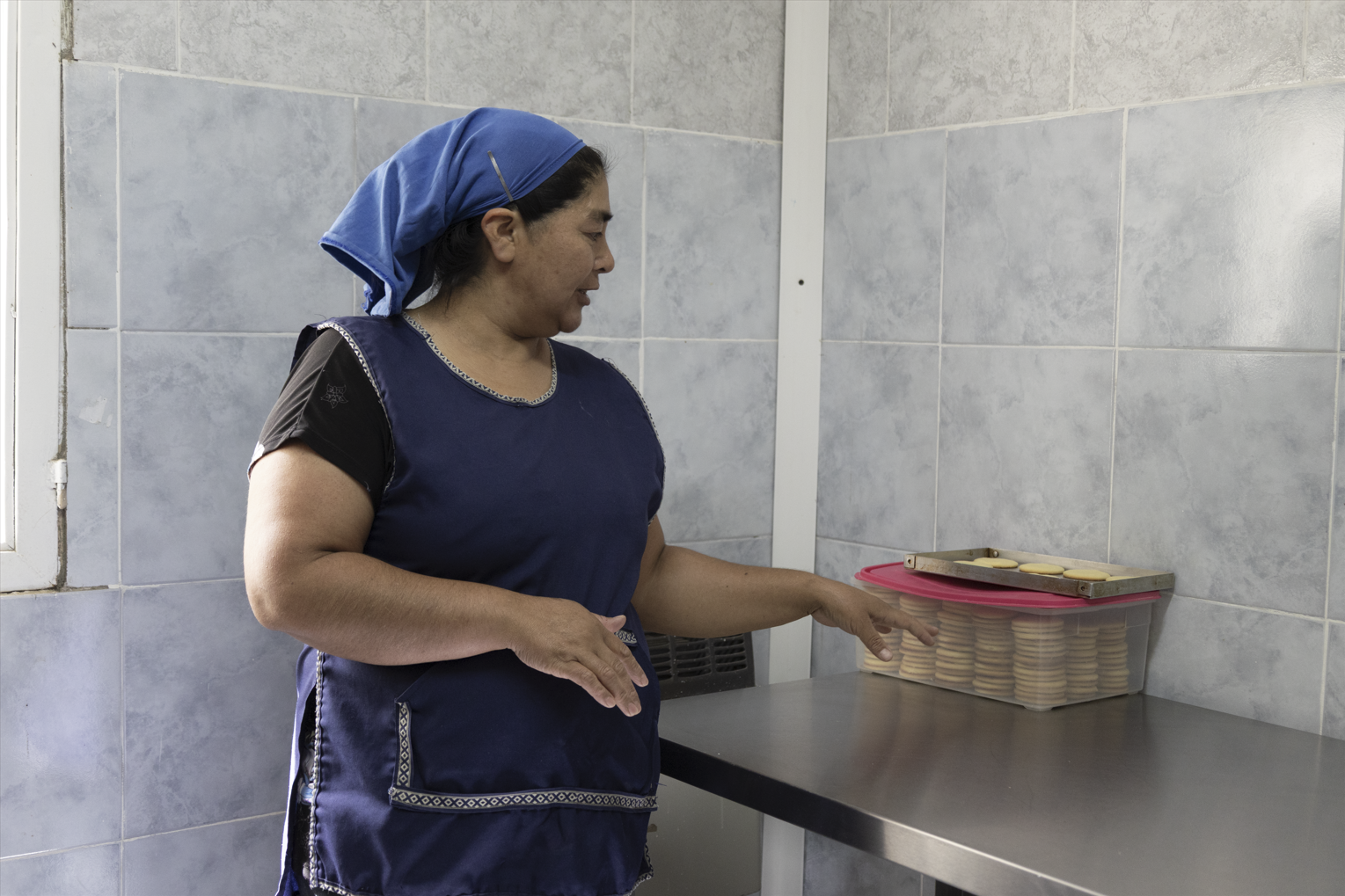
Workshops on silver smithing and ceramics
helped to revive ancestral practices, while collaboration with the Intercultural Health Center Raguien Kien advanced knowledge of medicinal plants and traditional medicine.
-
![]()
Through community subgrants, 9 of 10 Mapuche communities
successfully completed their livelihoods and conservation projects, including livestock upgrades, infrastructure improvements, water supply expansions, and renewable energy systems.
-
![]()
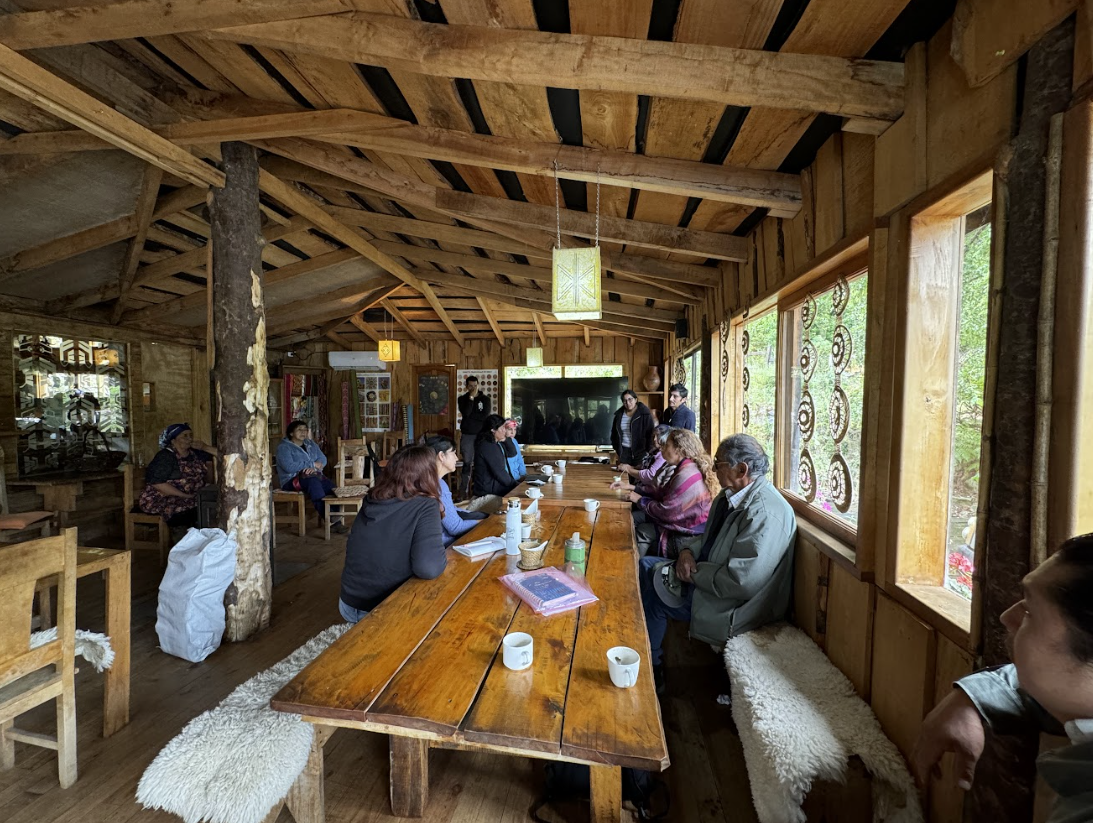
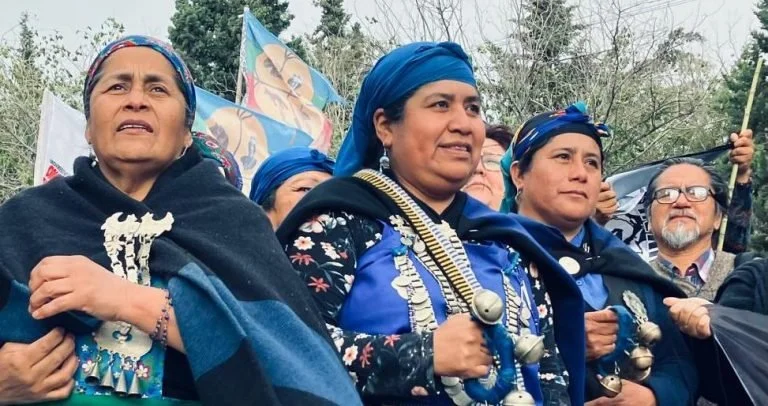
Women’s exchanges held
creating a space for dialogue, reflection, and collective organizing among Mapuche women, while strengthening their political participation and leadership within the organization.
-
![]()
1 Gender Based Violence (GBV) protocol developed
and adopted to prevent and respond to gender-based violence.
Explore Related News from Futa Mawiza

The Region
Approximate area in hectares:
454,409
Indigenous Mapuche population:
59,293
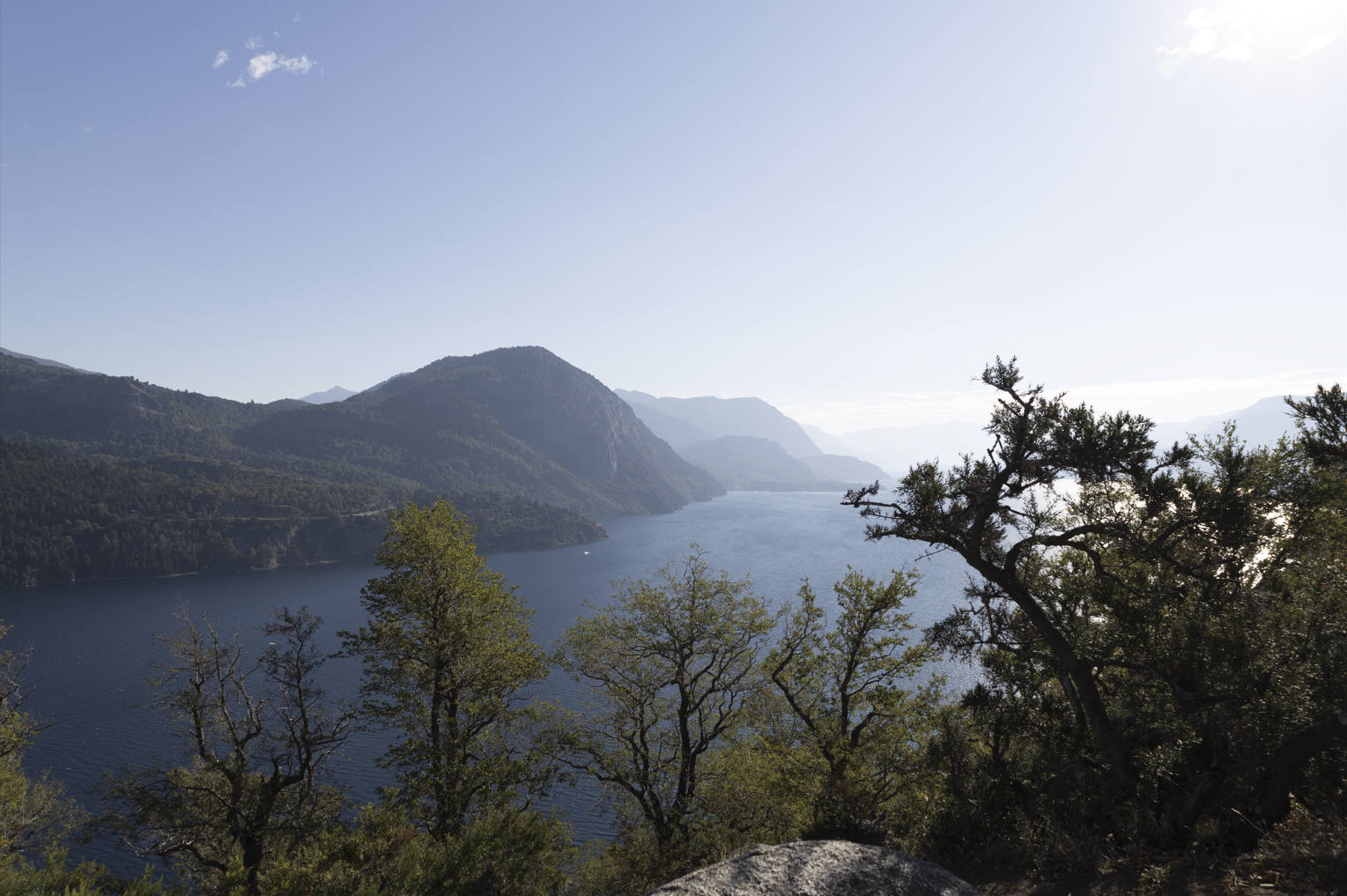
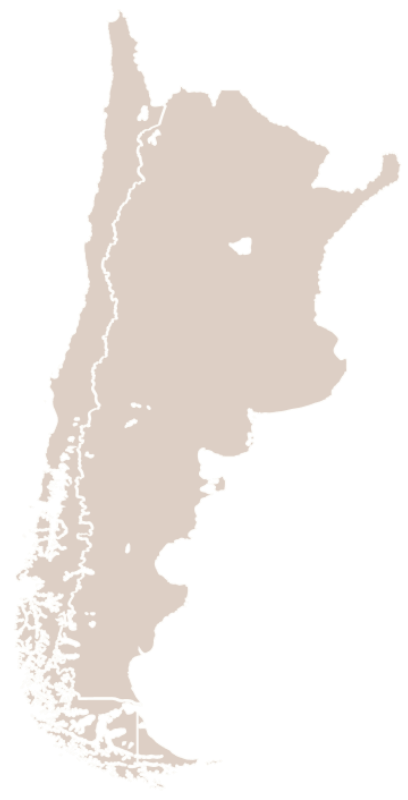
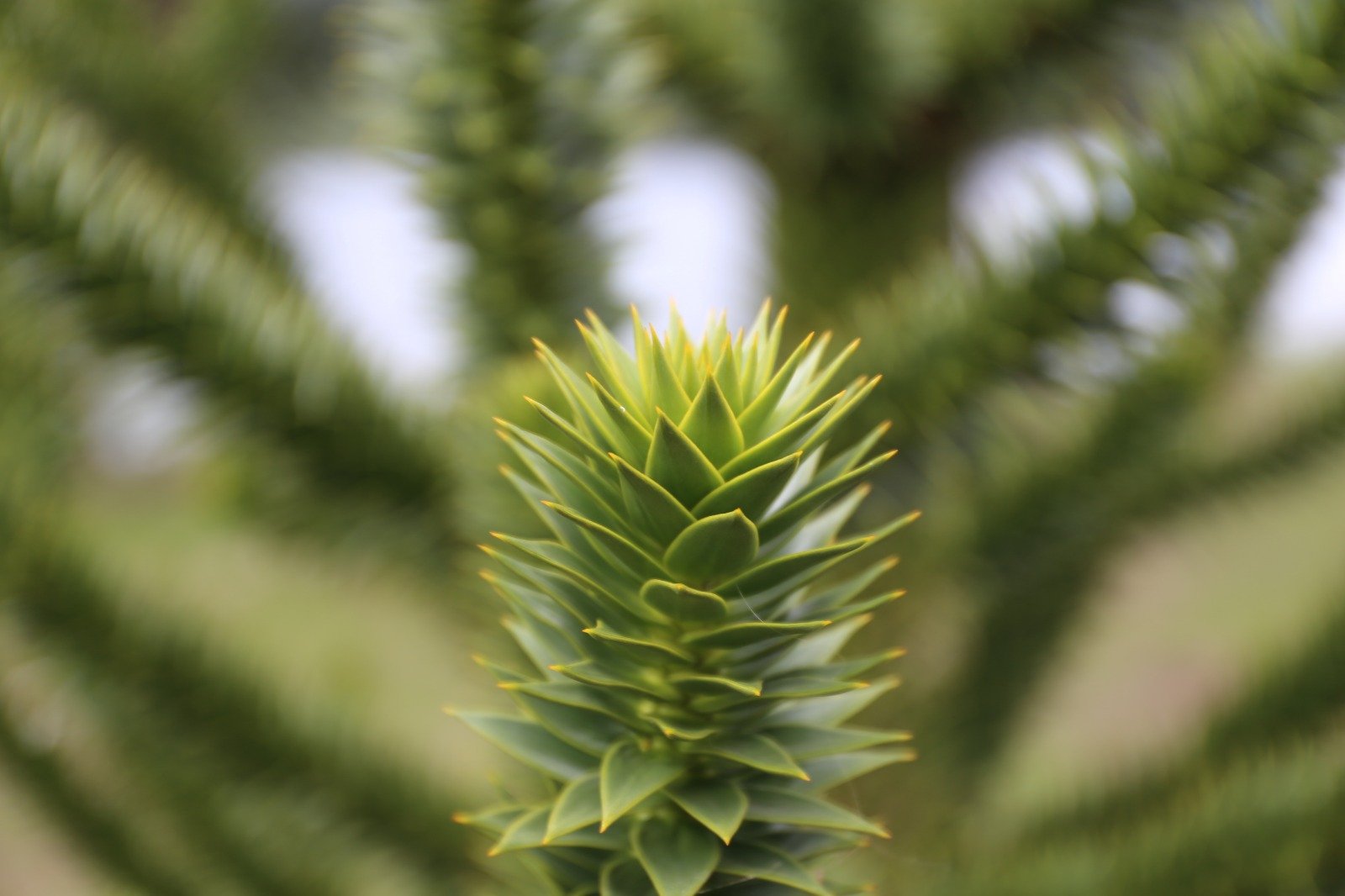
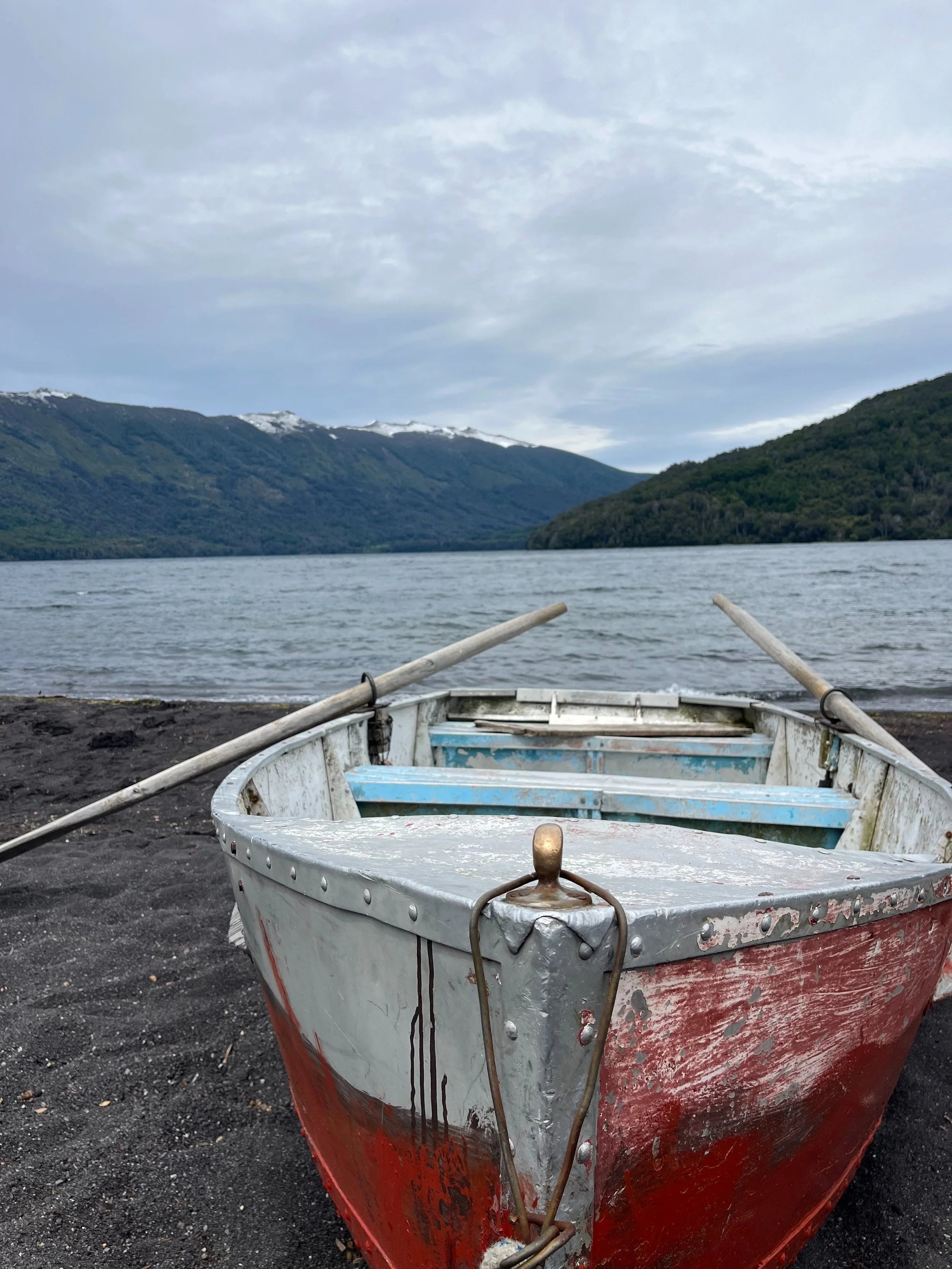
The Futa Mawiza Biocultural Territory, spanning Argentina and Chile, includes glaciers, rivers, lakes, and the Andean Patagonian “cold forest” within the Valdiviana ecoregion—the only temperate rainforest in South America. Its isolation supports high endemism and relic Antarctic flora. Chile’s diverse geography, from desert to Patagonia, hosts 30 ecosystems, 76% covered by native vegetation. Much of the subproject area is a threatened biodiversity hotspot.
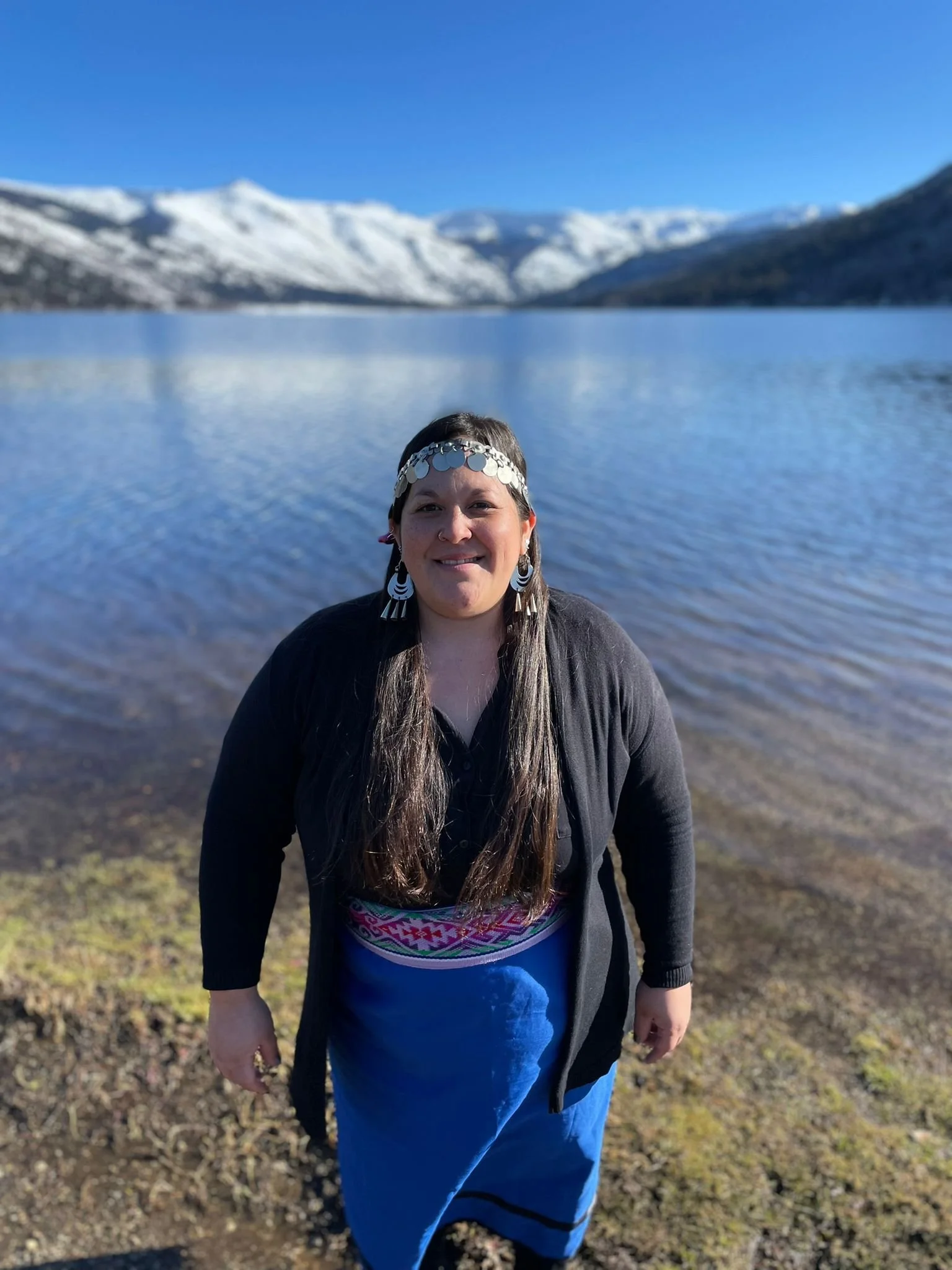
Before colonization and state formation, the Mapuche people built a sophisticated socio-political and territorial system guided by az mapun—norms promoting harmony among humans and nature. Despite centuries of domination and assimilation policies, Mapuche culture endures across Wallmapu (“land that surrounds us”), maintained through oral tradition and collective stewardship. Many protected areas were established without Mapuche consent, and the people now seek full or shared governance, grounded in their belief that all beings and spirits (newen) are interconnected within the territory.
About the Futa Mawiza Biocultural Territory
Percentage of the country’s land area under recognized IP or LC ownership:
3%
(Source: RRI: 2015. Who Owns the World’s Land?)
Number of Land Defenders Killed 2016-2018:
2
(Source: Global Witness)
Biodiversity Significance
Local Context
-
Agriculture
Livestock
Agroforestry
Non-timber Forest Products (NTFPs)
Tourism
-
Agricultural expansion and commercialization
Climate change
Deforestation, overgrazing, and overexploitation of wildlife and other natural resources
National and Regional Policies and Plans linked to tenure security
Loss of Indigenous knowledge
Mining
Infrastructure development (e.g. roads, railways, pipelines, transmission lines, wind farms, geothermal projects, airports, dams)
Globalization, integration into market economy, influence of Western culture, lack of recognition of traditional systems
Tourism
Hydroelectric mega-dams
Illegal logging
Hydrocarbon activity
Large-scale land acquisitions, real estate development, urbanization
Invasive species
Human-wildlife conflict