
Lau Seascape and Cook Islands
Strengthening traditional governance to manage natural resources and increase resilience to climate change in the Lau Seascape and Cook Islands
About
In Fiji and the Cook Islands, the Bose Vanua o Lau and the House of Ariki work together to advance Indigenous Peoples’ goals for sustainable resource use and management – including strengthening the management of coastal and offshore Marine Protected Areas (MPAs), and the restoration of degraded and terrestrial protected areas – while strengthening their resilience to climate change through delivery and revitalization of traditional knowledge and practices .
Under this initiative, managed by two Indigenous-led organizations, one in Fiji and one in the Cook Islands, ICI supports improved practices in 47,171 hectares of landscapes and in 334,608 hectares of marine habitat, engaging 10,912 direct project stakeholders.
Led by
Bose Vanua o Lau (Fiji) and House of Ariki (Cook Islands)
Conservation International (CI) Fiji
UANKA
Key ICI achievements in the Lau Seascape and Cook Islands
-
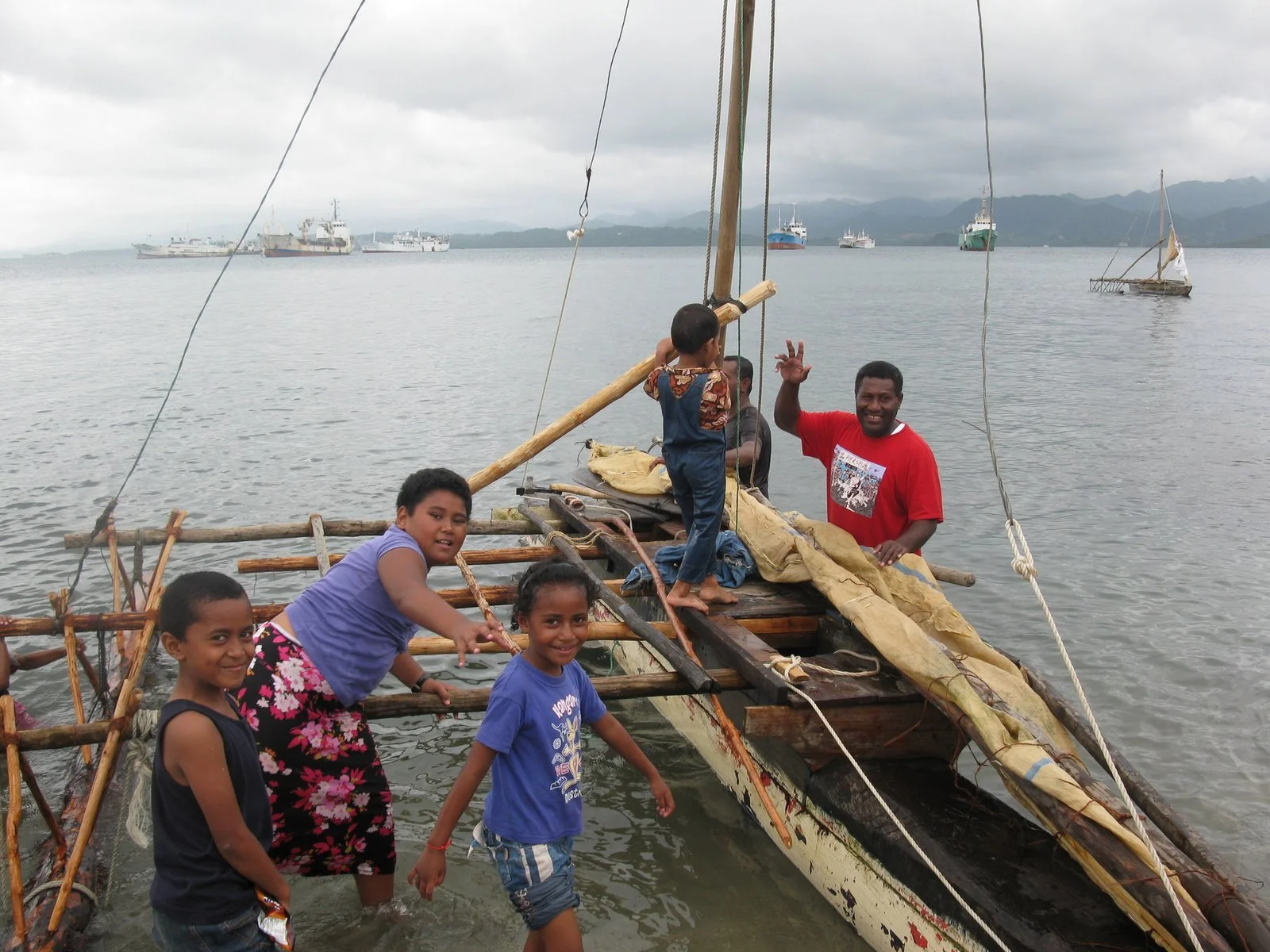
![A group of Fijian children and a man standing in shallow water next to a partially constructed wooden boat, with a cloudy sky and multiple ships in the background.]()
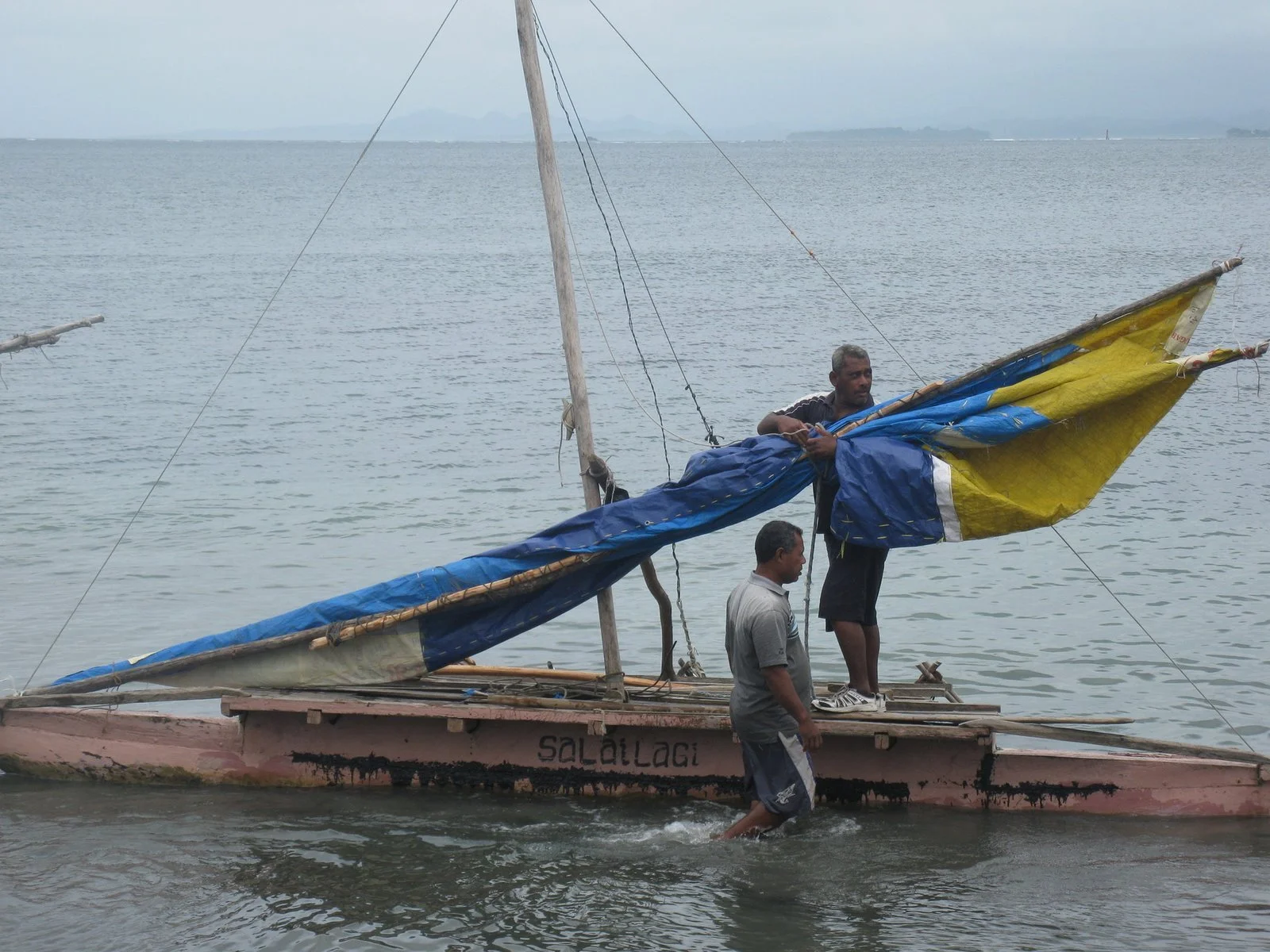
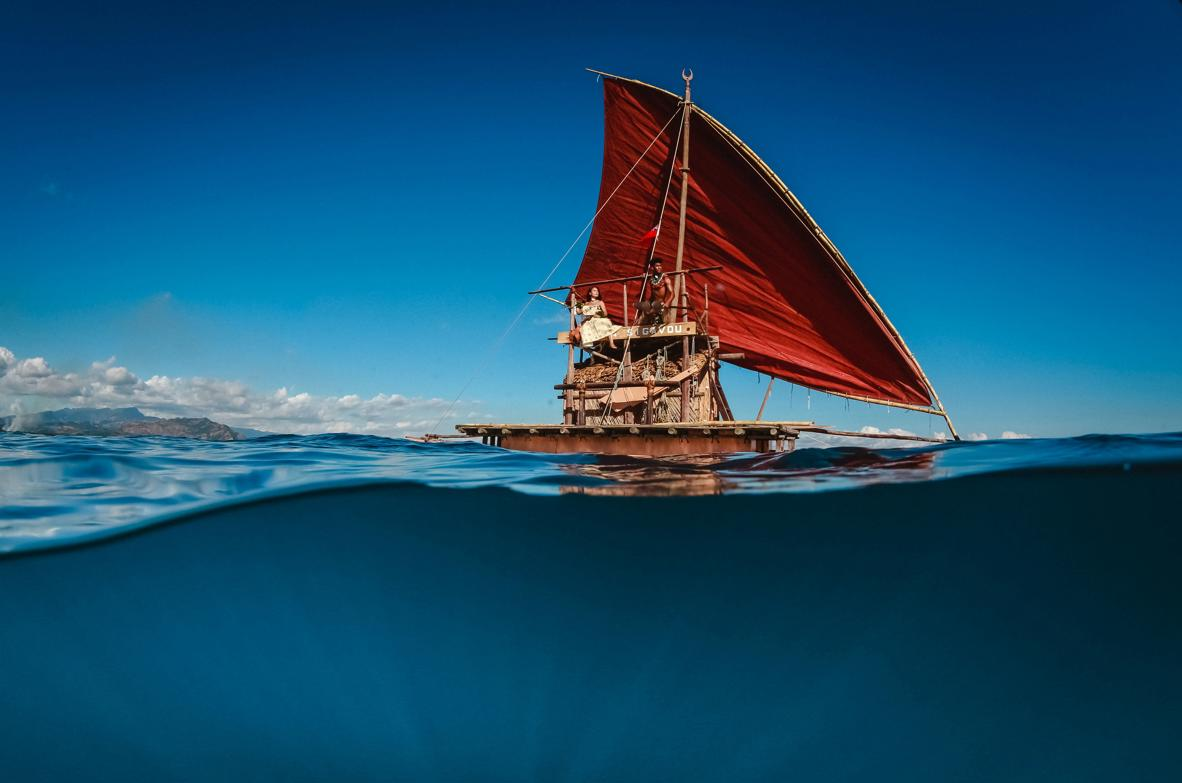
In Fiji, the Bose Vanua o Lau partnered with the Drua Sailing Experience
to revitalize traditional voyaging and navigation practices among youth. The Drua serves as an interactive environmental education platform, reconnecting young Fijians with cultural knowledge of seascapes.
-
![Group of people standing inside a decorated room, some wearing colorful traditional clothing, celebrating and shaking hands around a large poster in the Pacific.]()
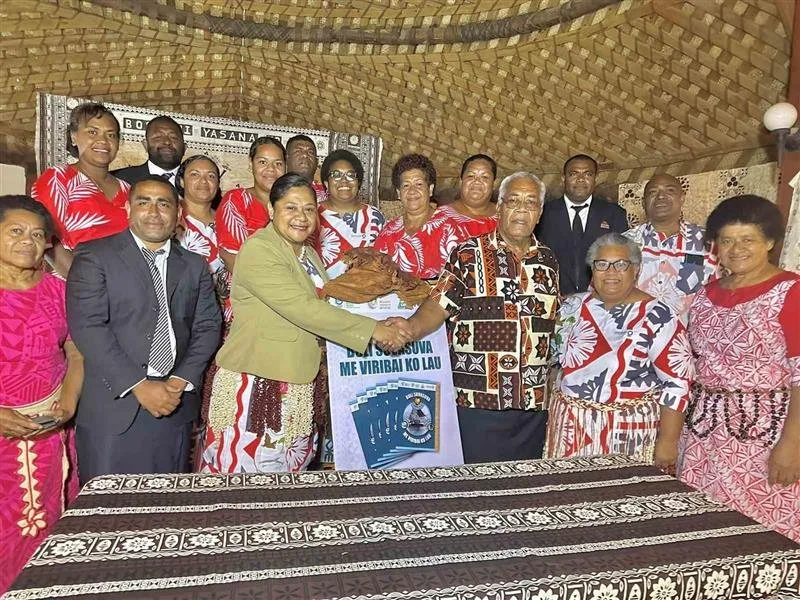
In Fiji, the Bose Vanua o Lau, alongside the Lau Provincial Council, registered chiefly titles in previously unrecognized areas
advancing the consolidation of the House of Chiefs and the establishment of the Lau Trust Deed, while developing a culturally grounded governance training manual to support biodiversity protection across generations.
-
![Group of people in traditional Polynesian attire and casual clothing, posing indoors with some wearing flower crowns, in front of a Takitumu banner, during a cultural or community event.]()
The UANKA Indigenous Trust was established in the Cook Islands to work alongside the House of Ariki
reflecting traditional leadership values within a self-determined legal framework and positioning UANKA to lead on-the-ground action in cultural education and intergenerational knowledge transfer, customary leadership and governance, as well as community and environmental well-being.
-
![]()
Implementation of community livelihood projects in three target islands in Cooks Islands
aiming to revive traditional knowledge, promote sustainable practices, and generate income.
Explore Related News from the House of Ariki and CI-Fiji
The Region
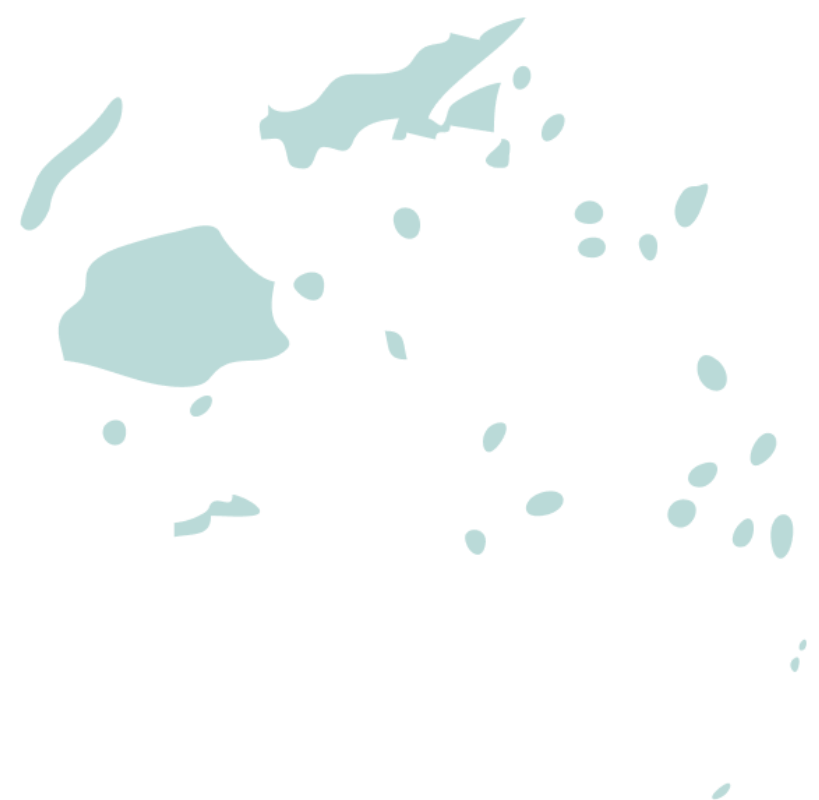
Fiji and Cook Islands
Approximate area in hectares:
483,104
Indigenous Lauan (Fiji); Atiu and Pukapuka (Cook Islands) population:
11,502
About the Lau Seascape and Cook Islands
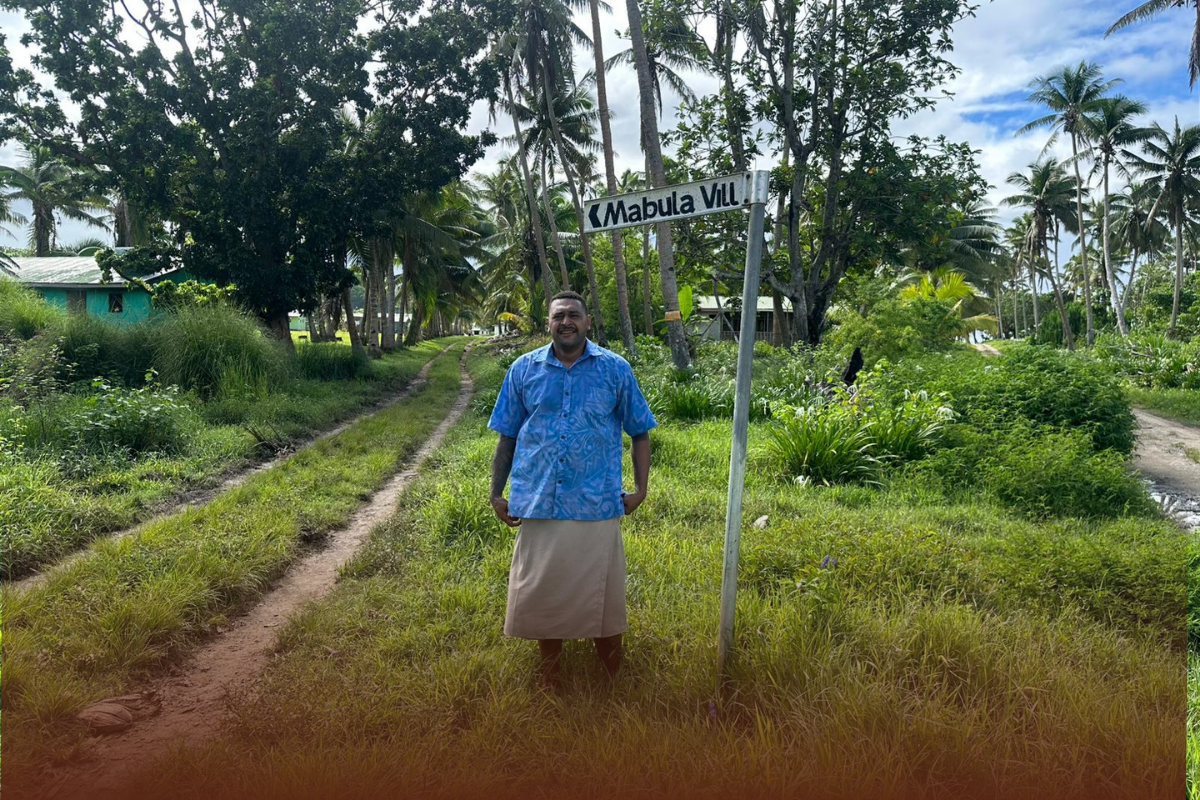
This initiative’s geography includes territories of two Indigenous Polynesian peoples with a shared cultural heritage – the House of Ariki in the Cook Islands, and the Bose Vanua o Lau in Fiji.
The Cook Islands consists of fifteen islands spread over roughly 1.9 million km2 of ocean. The marine biodiversity of the Cook Islands is globally exceptional, home to seabirds, coral reefs, coastal and lagoon habitats, and a range of migratory species including sharks and whales. With limited pressure on its marine resources, there is a positive trend of increasing coral cover, despite documented incidents of bleaching events and ocean acidification. To conserve these remarkable resources, the Parliament of the Cook Islands passed the Exclusive Economic Zone (EEZ)-scale Marae Moana Marine Park, created in 2017, with roughly 324,000 km2 earmarked for higher levels of protection, making it the largest multiple-use marine protected area in the world at the time of its passage.
Fiji consists of more than 300 islands, most of which are volcanic, and about 100 of which are inhabited, covering a total land area of 18,376 km2 and an EEZ of 1.29 million km2 of ocean. The Lau Seascape estimated at 335,000 km2 is Fiji’s most remote archipelago. Lau has been declared a significant Marine Ecoregion; global analyses of marine biodiversity consistently place the Lau archipelago among the highest priorities for conservation, as a hotspot for species richness and species endemism, housing species nesting and breeding for endemic birds, insects, snakes, green and hawksbill turtles as well as the endemic clam and migratory paths of mega cetaceans.
Percentage of the country’s land area under recognized IP or LC ownership:
Fiji: 88%
Cook Islands: 95%
(Source: RRI: 2015. Who Owns the World’s Land?)
Number of Land Defenders Killed 2016-2018:
Fiji: 0
Cook Islands: 0
(Source: Global Witness)
Biodiversity Significance
Local Context

-
Agriculture
Livestock
Non-timber Forest Products (NTFPs)
Tourism
Fishing
Hunting
Payments for Ecosystem Services
Handicrafts
-
Agricultural expansion and commercialization
Climate change
Deforestation, overgrazing, and overexploitation of wildlife and other natural resources
Loss of Indigenous knowledge
Mining
Globalization, integration into market economy, influence of Western culture, lack of recognition of traditional systems
Tourism