
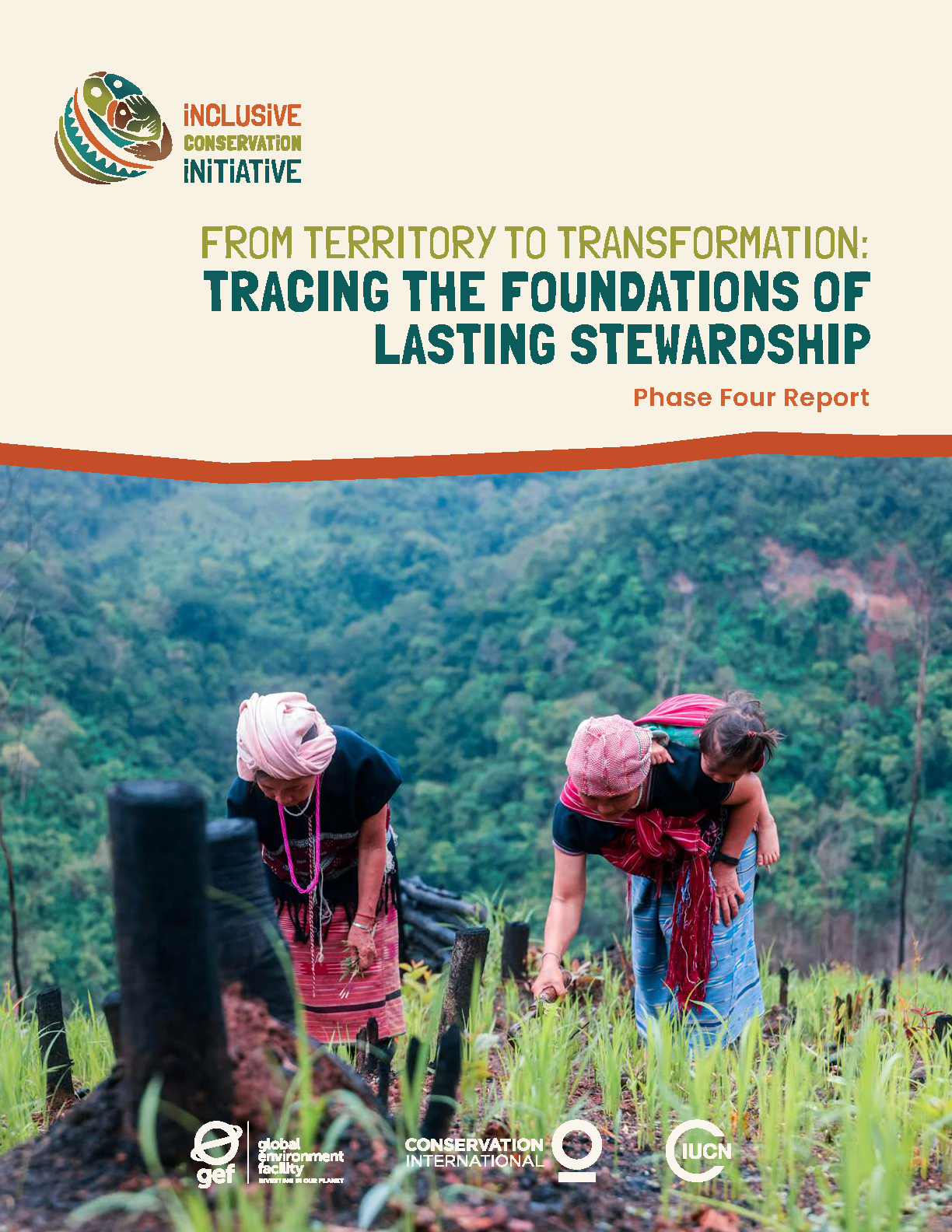
ICI Report | Inclusive Conservation Initiative (ICI) Phase Four Report - From Territory to Transformation: Tracing the Foundations of Lasting Stewardship
The Inclusive Conservation Initiative (ICI) Phase 4 Report provides a comprehensive overview of how direct, long-term financing is supporting Indigenous Peoples (IPs) and Local Communities (LCs) to drive lasting conservation outcomes and territorial transformation. Drawing on four years of implementation across 12 countries, the report highlights how IPs and LCs are strengthening institutions, securing rights and territories, advancing inclusive leadership, and applying their knowledge systems to deliver conservation at scale. Supported by the Global Environment Facility (GEF), the report also demonstrates how Indigenous-led stewardship is helping shape more direct and rights-based approaches to conservation finance.
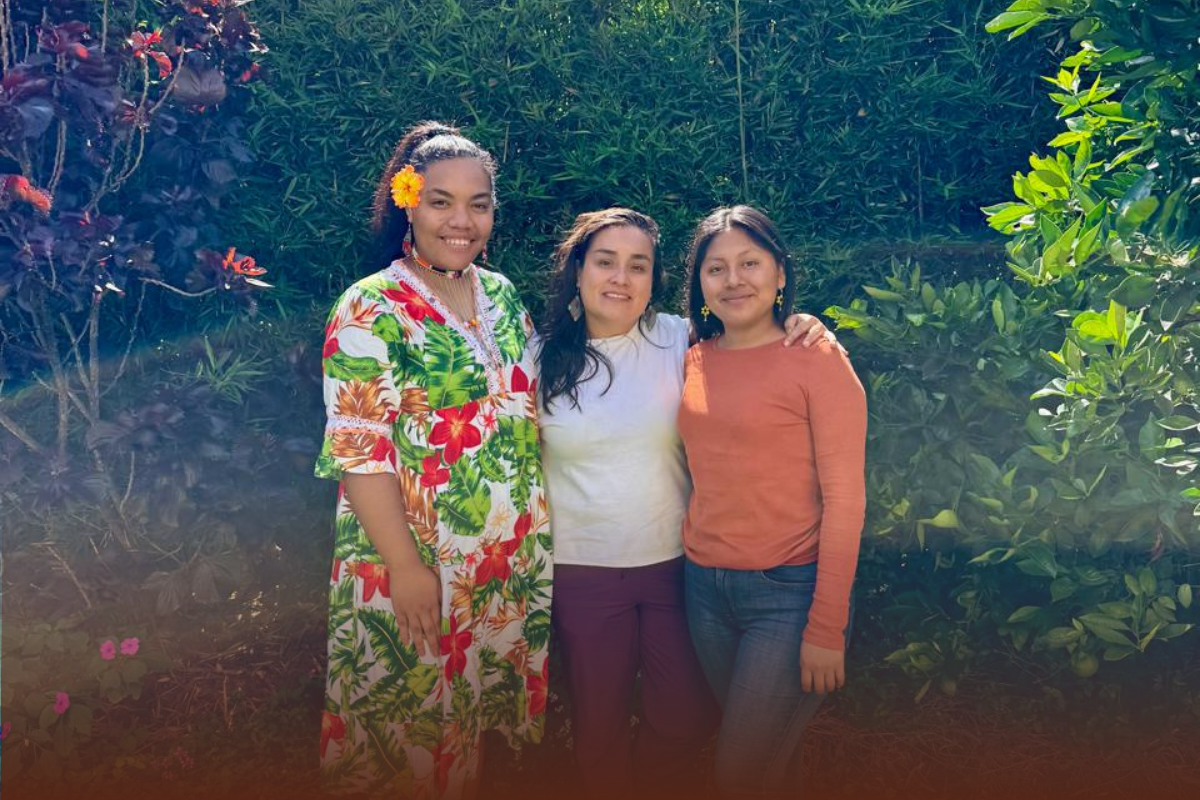
How has long-term fellowship redefined my leadership?
In this reflection, Matauri Miria, a Māori Indigenous leader from the Cook Islands and member of the 2nd cohort of the ICI International Environmental Policy Fellowship, shares how long-term fellowship support reshaped her understanding of leadership through community-based work and the revitalization of traditional taro farming practices.
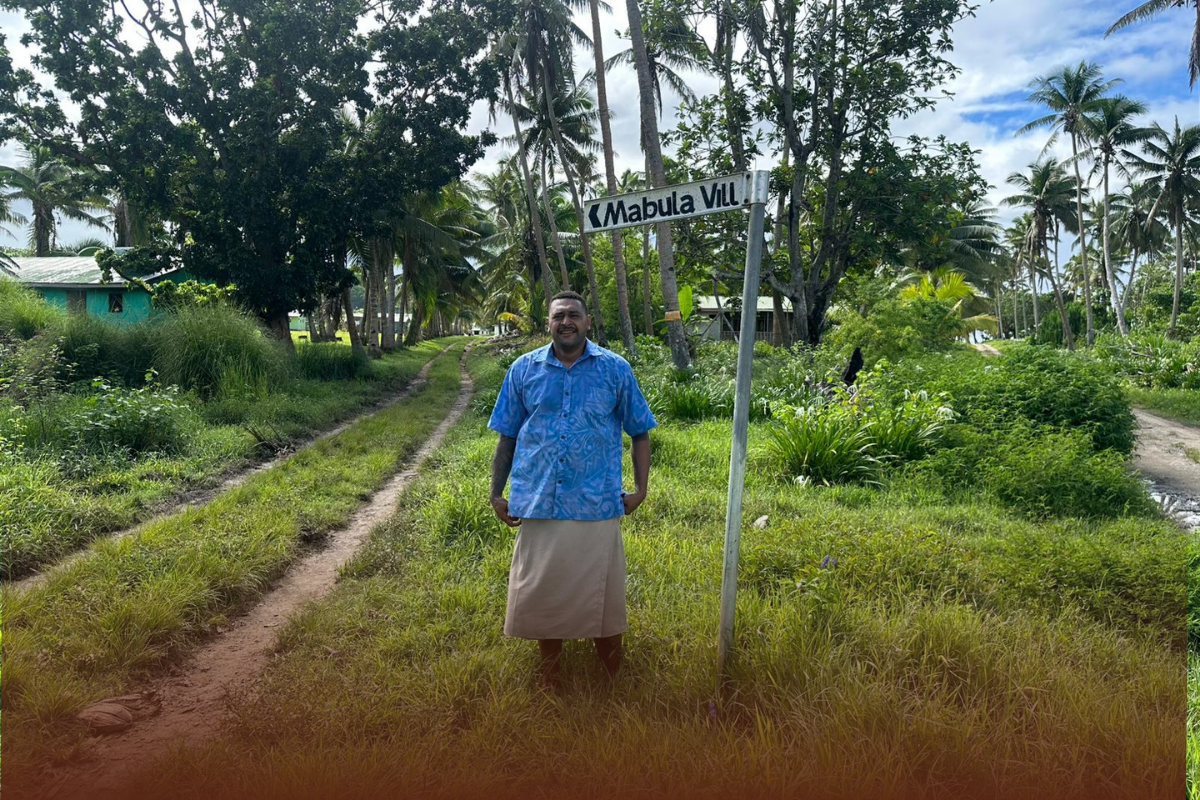
Connecting Local Challenges to Global Learning: Reflections from Mabula Village
In this reflection, Apisai Kalivakarua, an iTaukei Indigenous leader from Fiji and member of the 2nd cohort of the ICI International Environmental Policy Fellowship, reflects on how local challenges in Mabula Village connect to global learning, highlighting youth engagement, community action, and the importance of linking local realities with global conversations.
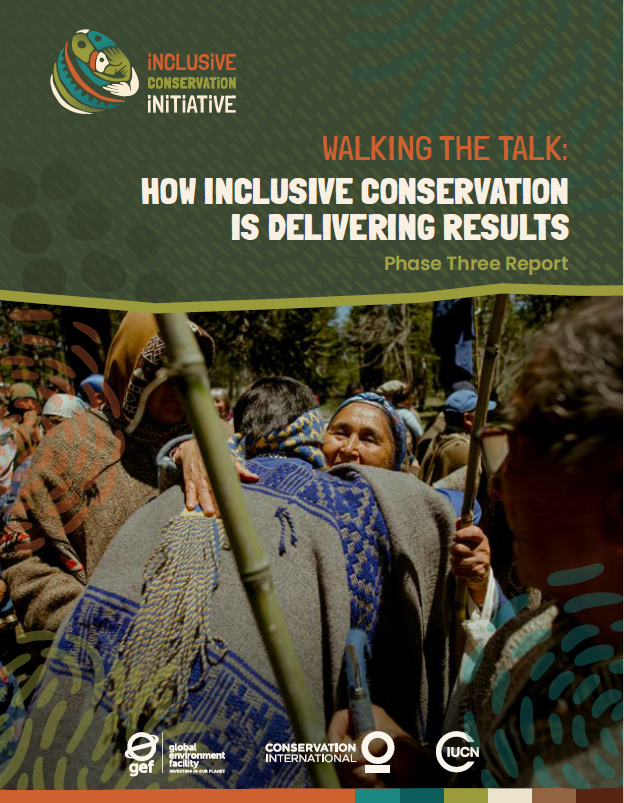
ICI Report | Inclusive Conservation Initiative Phase 3 Report – Walking the Talk: How Inclusive Conservation is Delivering Results
Phase 3 marks ICI’s transition from design to delivery, with Indigenous-led organizations across 12 countries directly managing conservation efforts at scale. The report highlights how Indigenous governance, gender-responsive systems, and culturally grounded monitoring are now shaping national policies and global agendas—offering a replicable model for rights-based, community-led conservation that works. With direct access to finance and decision-making power, they advanced land rights, governance, gender equity, and policy influence—proving that Indigenous-led action is critical to effective, scalable conservation.
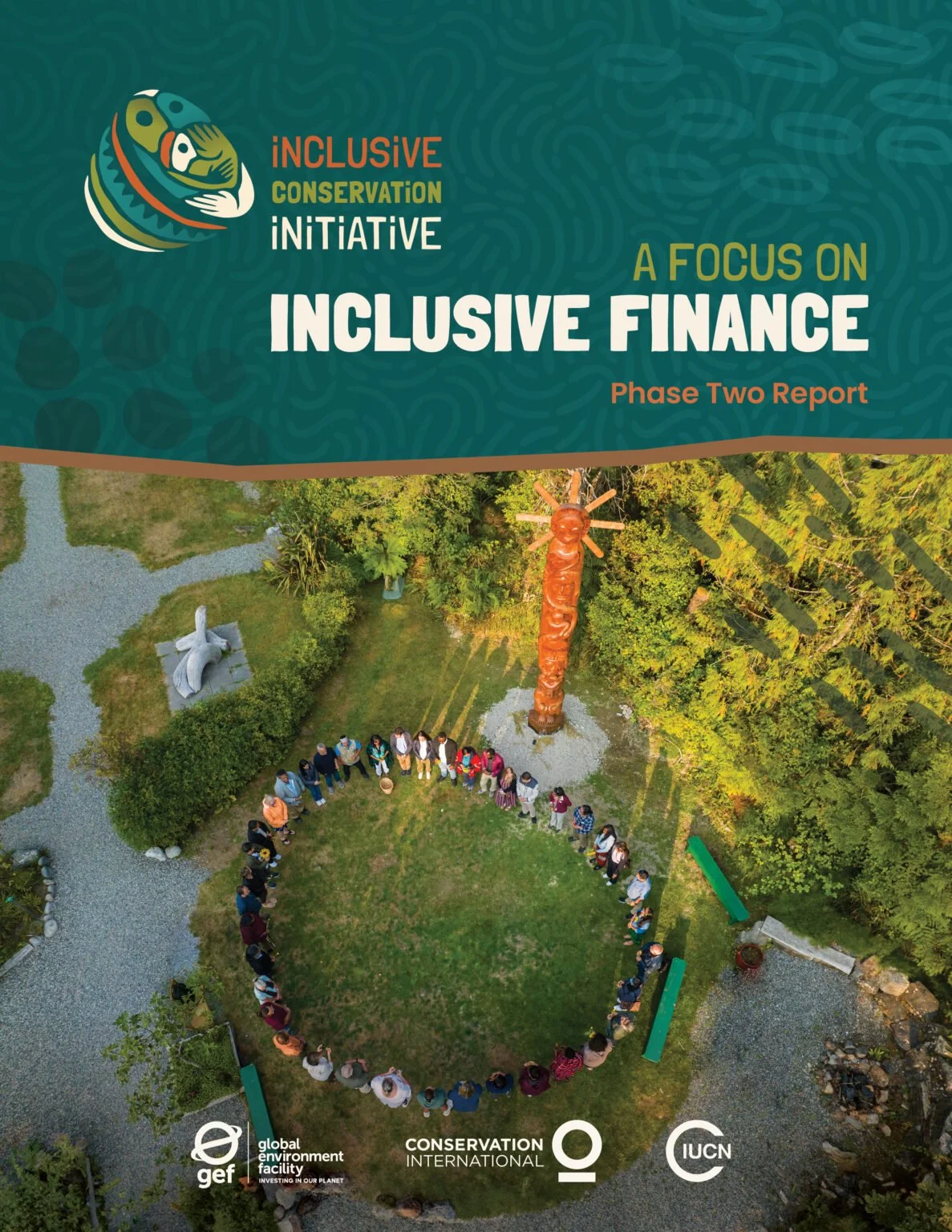
ICI Report | Inclusive Conservation Initiative (ICI) Phase Two Report: A Focus on Inclusive Finance
The Inclusive Conservation Initiative (ICI) Phase 2 Report provides a comprehensive overview of the progress made towards inclusive conservation practices and the implementation of Indigenous Peoples (IPs) and Local Communities (LCs)-led initiatives over the past year. Supported by the Global Environment Facility (GEF), this initiative highlights the leadership of IPs and LCs in conservation efforts and the delivery of global environmental benefits (GEBs).
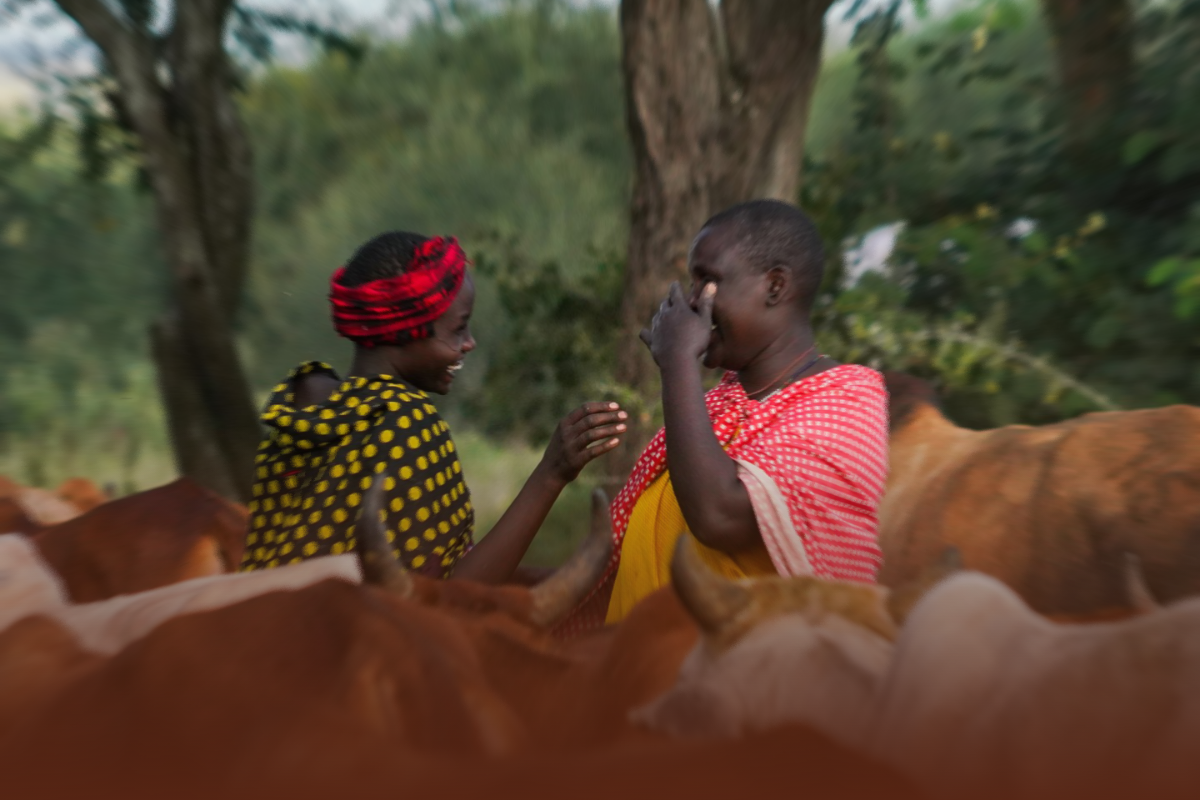
First phase of ICI implementation highlights importance of Indigenous-led conservation and need for increased funding
The Inclusive Conservation Initiative (ICI) Phase One Report showcases the first phase of Indigenous-led conservation efforts, demonstrating their effectiveness in protecting 7.6 million hectares of biodiverse landscapes. The report emphasizes the need for increased funding and adaptive finance mechanisms to support Indigenous Peoples and local communities in stewarding lands, waters, and natural resources globally.
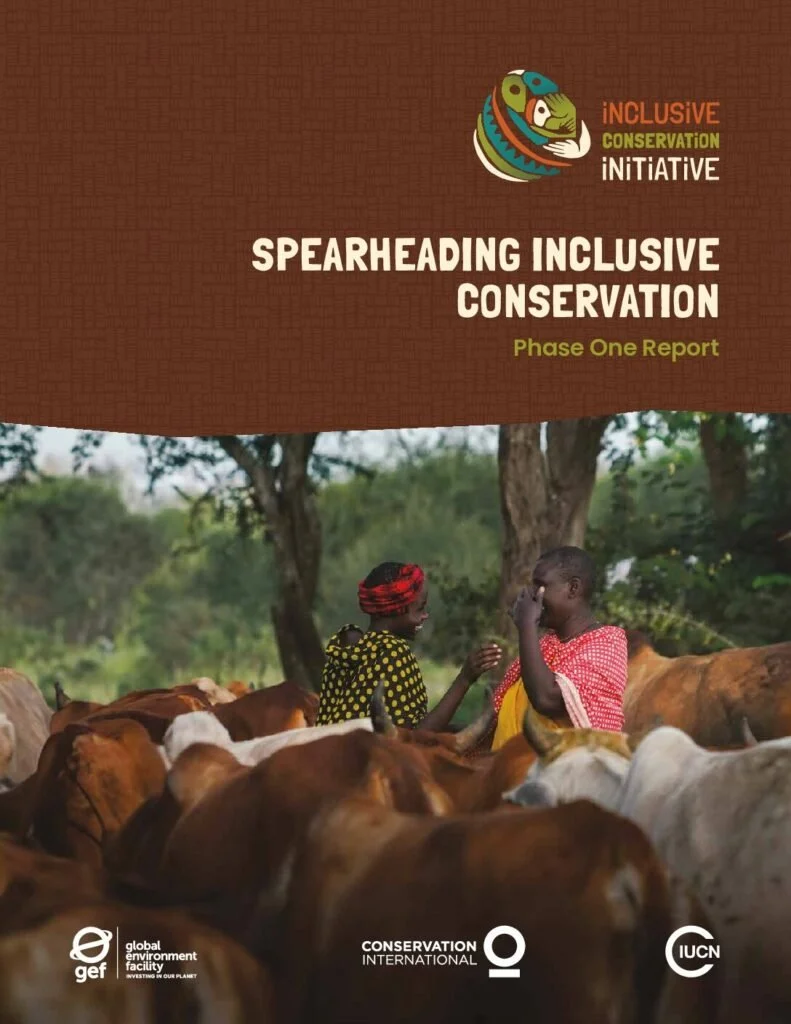
ICI Report | Inclusive Conservation Initiative (ICI) Phase One Report: Spearheading Inclusive Conservation
On 09 August 2023 (International Day of the World’s Indigenous Peoples), the Inclusive Conservation Initiative released its Phase One Report, summarizing the first phase of its implementation, from ideation in December 2019 to implementation status in mid-2023.

World Oceans Day 2023: Indigenous and local coastal stewardship changing tides in marine conservation
On World Oceans Day 2023, the Inclusive Conservation Initiative (ICI) highlights how Indigenous Peoples and Local Communities in Panama, Guatemala, and Fiji are leading the sustainable management of marine and coastal ecosystems. Through initiatives by Sotz’il and the Vanua o Lau, communities are strengthening traditional knowledge, governance, and livelihoods to protect biodiversity and address climate change impacts.

World Wildlife Day 2023: Inclusive conservation partnering to protect the incalculable value of wild fauna and flora
On World Wildlife Day 2023, the Inclusive Conservation Initiative (ICI) highlights Indigenous and local communities as custodians of wildlife and plant species across Africa, Asia, and the Americas. Through traditional knowledge, community-led management, and legal protection of lands, ICI supports the preservation of endangered and culturally significant species such as the araucaria, tapir, ostrich, pangolin, elephant, gibbon, and kopeka.
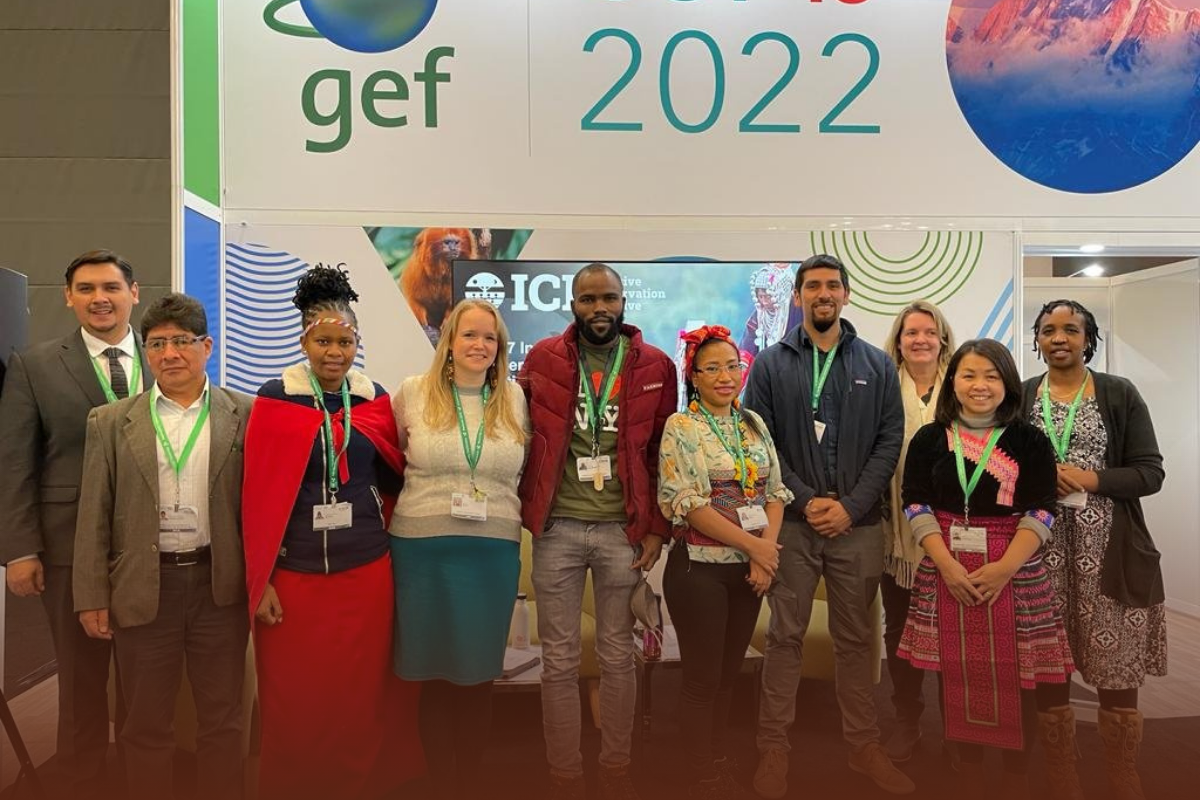
The first year of the Inclusive Conservation Initiative (ICI): Kicking off a global paradigm shift, together
In its first year, the Inclusive Conservation Initiative (ICI) launched nine subprojects across 12 countries to empower Indigenous Peoples and Local Communities as leaders in conservation and decision-making. By promoting Indigenous governance, gender equality, and direct access to climate and biodiversity finance, ICI is building a global movement for inclusive, culturally grounded, and impactful environmental stewardship.
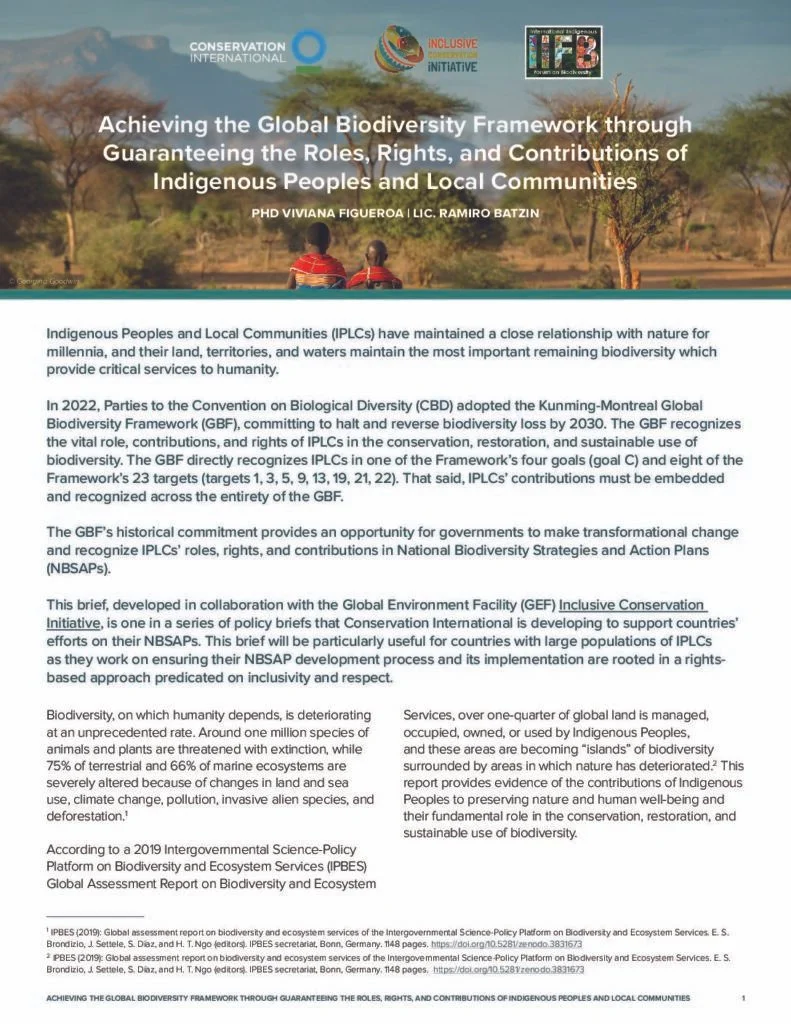
Brief | Global Biodiversity Framework Through Working with Indigenous People and Local Communities
In 2022, Parties to the Convention on Biological Diversity (CBD) adopted the Kunming-Montreal Global Biodiversity Framework (GBF), committing to halt and reverse biodiversity loss by 2030. The GBF recognizes the vital role, contributions, and rights of IPLCs in the conservation, restoration, and sustainable use of biodiversity.
ICI Report | GEF-7 Inclusive Conservation Initiative Inception Workshops Report
The implementation of the GEF-7 Inclusive Conservation Initiative (ICI) began on February 21, 2022 through an inception phase composed of a series of virtual workshops held from February 21 to April 07, 2022. The ICI Project Management Unit (PMU) produced an inception report documenting all key highlights, activities, and decisions of the inception phase.

Indigenous stewardship of nature can revitalize our globe — investing in IPs and LCs-led solutions means investing in our planet
The Inclusive Conservation Initiative (ICI) is channeling USD 25 million in direct financing to Indigenous Peoples and Local Communities to transform conservation through locally led governance, traditional knowledge, and sustainable livelihoods. From the Himalayas to the Andean Cordillera and the African rangelands, these Indigenous-led solutions demonstrate that investing in IPLC leadership is one of the most effective pathways to protect biodiversity and address the climate crisis.