
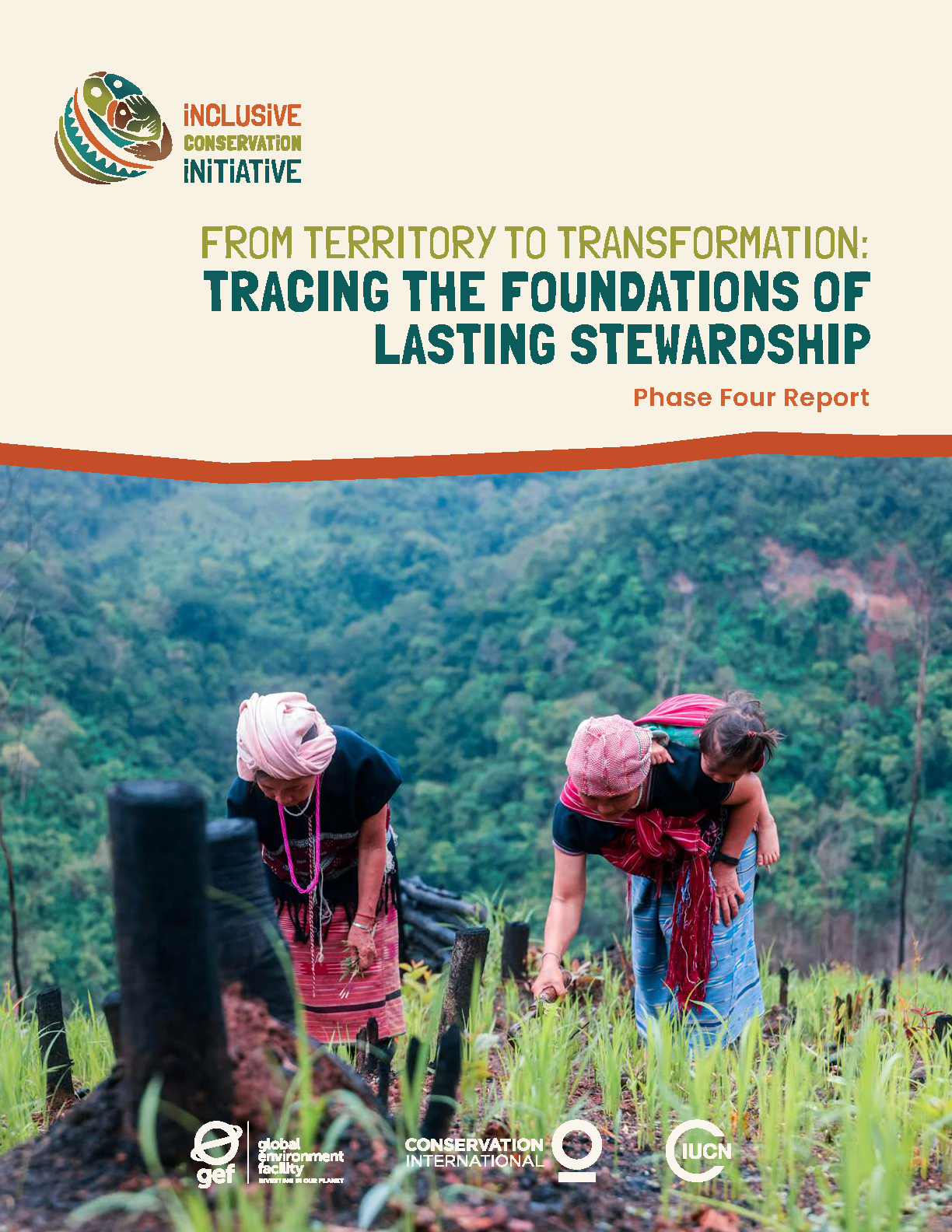
ICI Report | Inclusive Conservation Initiative (ICI) Phase Four Report - From Territory to Transformation: Tracing the Foundations of Lasting Stewardship
The Inclusive Conservation Initiative (ICI) Phase 4 Report provides a comprehensive overview of how direct, long-term financing is supporting Indigenous Peoples (IPs) and Local Communities (LCs) to drive lasting conservation outcomes and territorial transformation. Drawing on four years of implementation across 12 countries, the report highlights how IPs and LCs are strengthening institutions, securing rights and territories, advancing inclusive leadership, and applying their knowledge systems to deliver conservation at scale. Supported by the Global Environment Facility (GEF), the report also demonstrates how Indigenous-led stewardship is helping shape more direct and rights-based approaches to conservation finance.
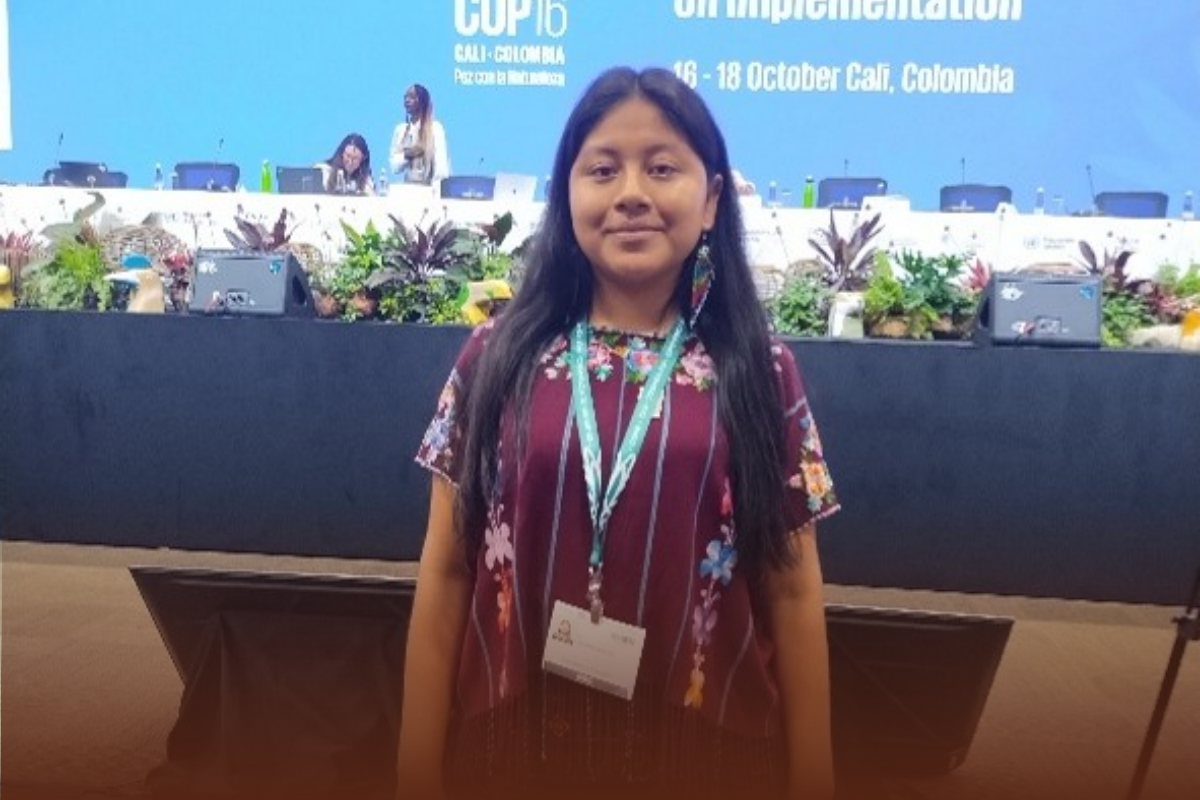
Learning, Leading, and Giving Back: My Journey as an ICI Fellow
In this reflection, Krizzley Ordoñez, a Maya Mam Indigenous leader from Guatemala and member of the 2nd cohort of the ICI International Environmental Policy Fellowship, shares how the fellowship strengthened her leadership and expanded community participation—particularly among youth and women—as she concludes her fellowship journey.
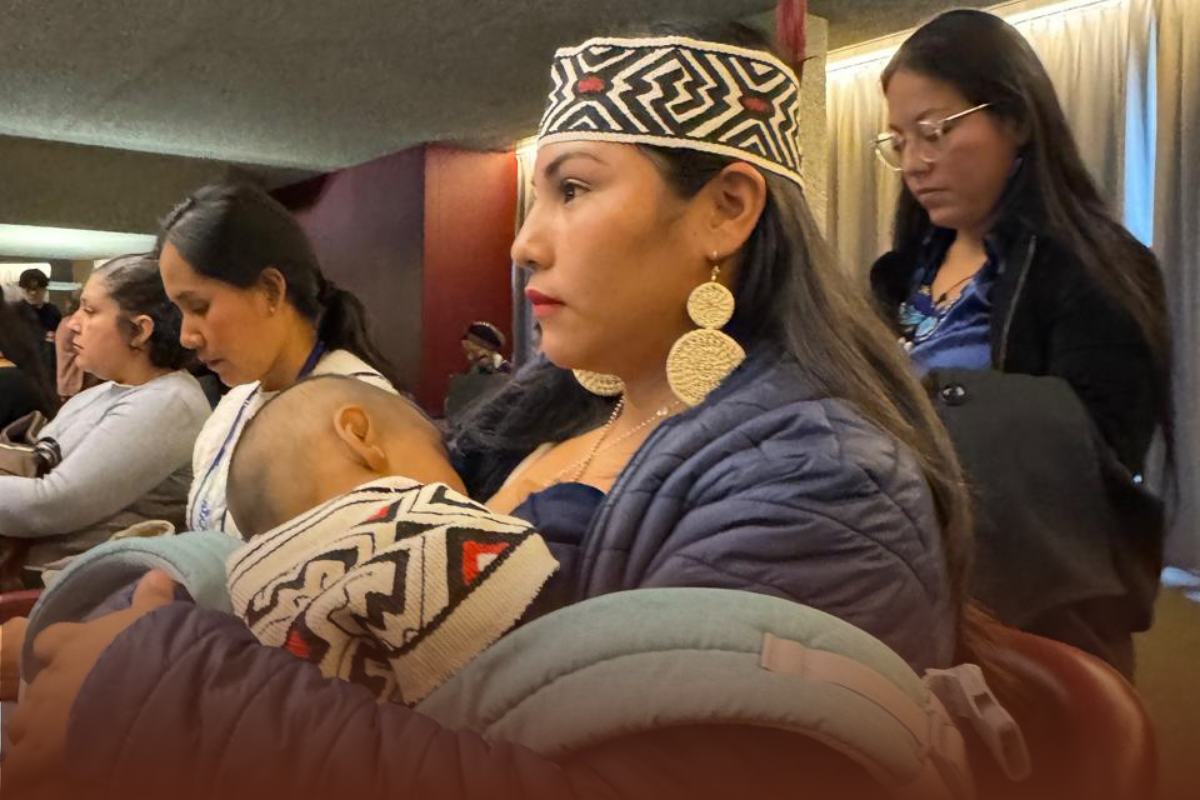
When Support Arrives On Time: Caring For Life From The Territory
In this reflection, Maglin Reonela Alvarado Vargas, a Yine Indigenous leader from Peru and member of the 2nd cohort of the ICI International Environmental Policy Fellowship, shares how long-term support enabled her community to address mercury contamination from gold mining while strengthening leadership, collective decision-making, and territorial protection.
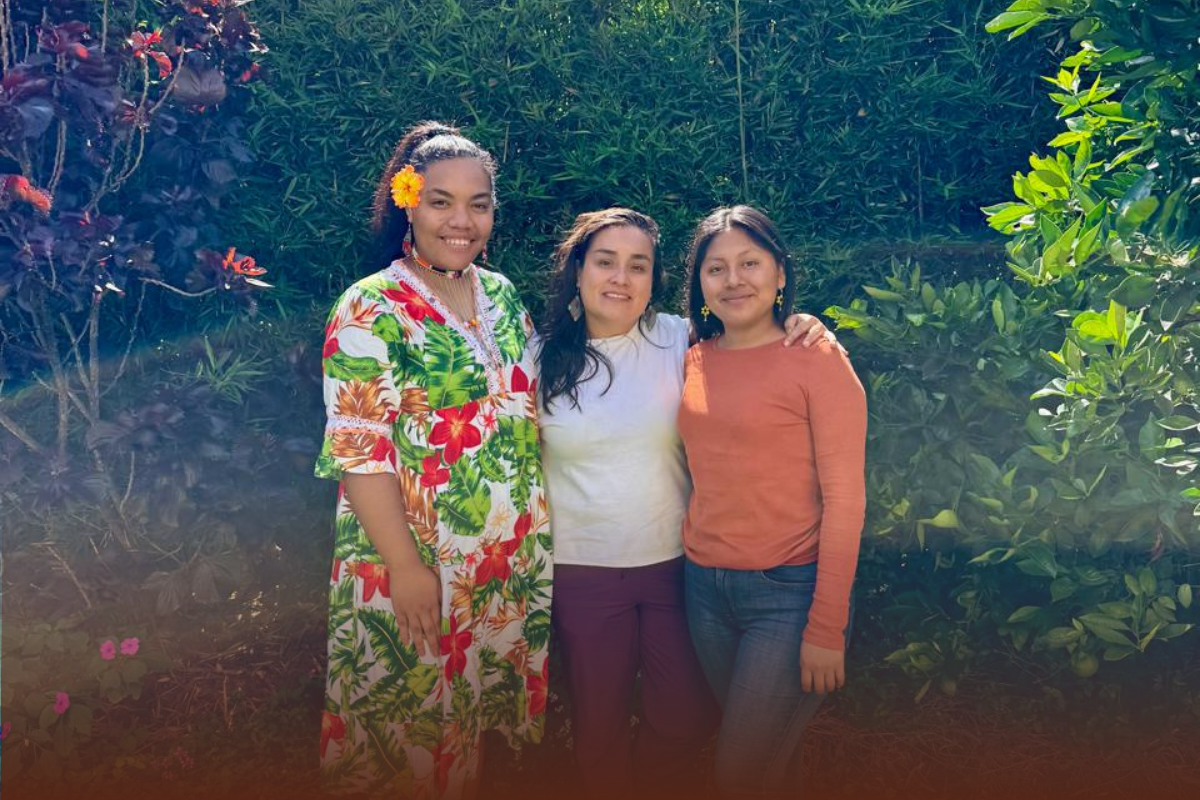
How has long-term fellowship redefined my leadership?
In this reflection, Matauri Miria, a Māori Indigenous leader from the Cook Islands and member of the 2nd cohort of the ICI International Environmental Policy Fellowship, shares how long-term fellowship support reshaped her understanding of leadership through community-based work and the revitalization of traditional taro farming practices.

Living with Change: Community Adaptation and Climate Learning in Northern Thailand
In this reflection, Chanchira Tawangthan, a Phutai Indigenous leader from Thailand and member of the 2nd cohort of the ICI International Environmental Policy Fellowship, shares insights from her work with communities adapting to climate change, highlighting the importance of local knowledge, community resilience, and long-term support.
Turning Traditional Knowledge into Resilience: Through My Fellowship
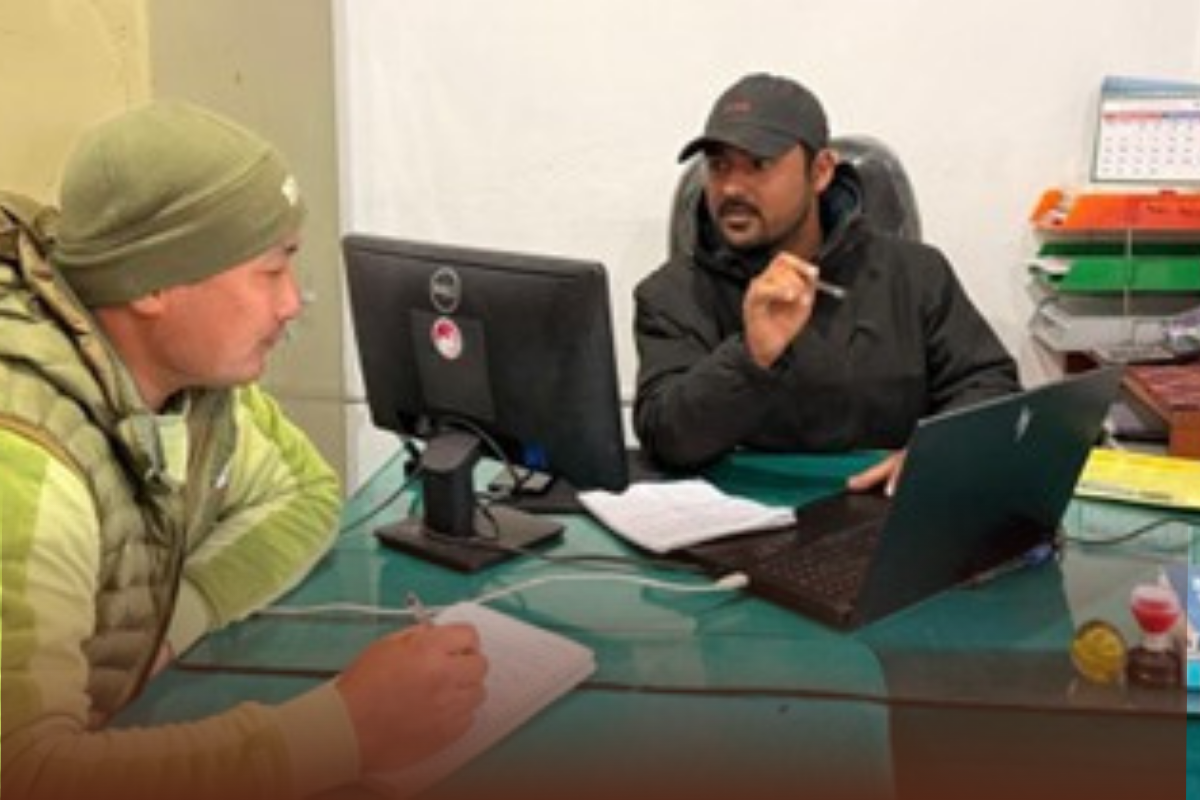
In this reflection, Sanjog Thakali, a Thakali Indigenous leader from Nepal and member of the 2nd cohort of the ICI International Environmental Policy Fellowship, shares how his fellowship experience strengthened the integration of traditional ecological knowledge with scientific data to support climate resilience and community-led solutions.
Connecting Local Challenges to Global Learning: Reflections from Mabula Village
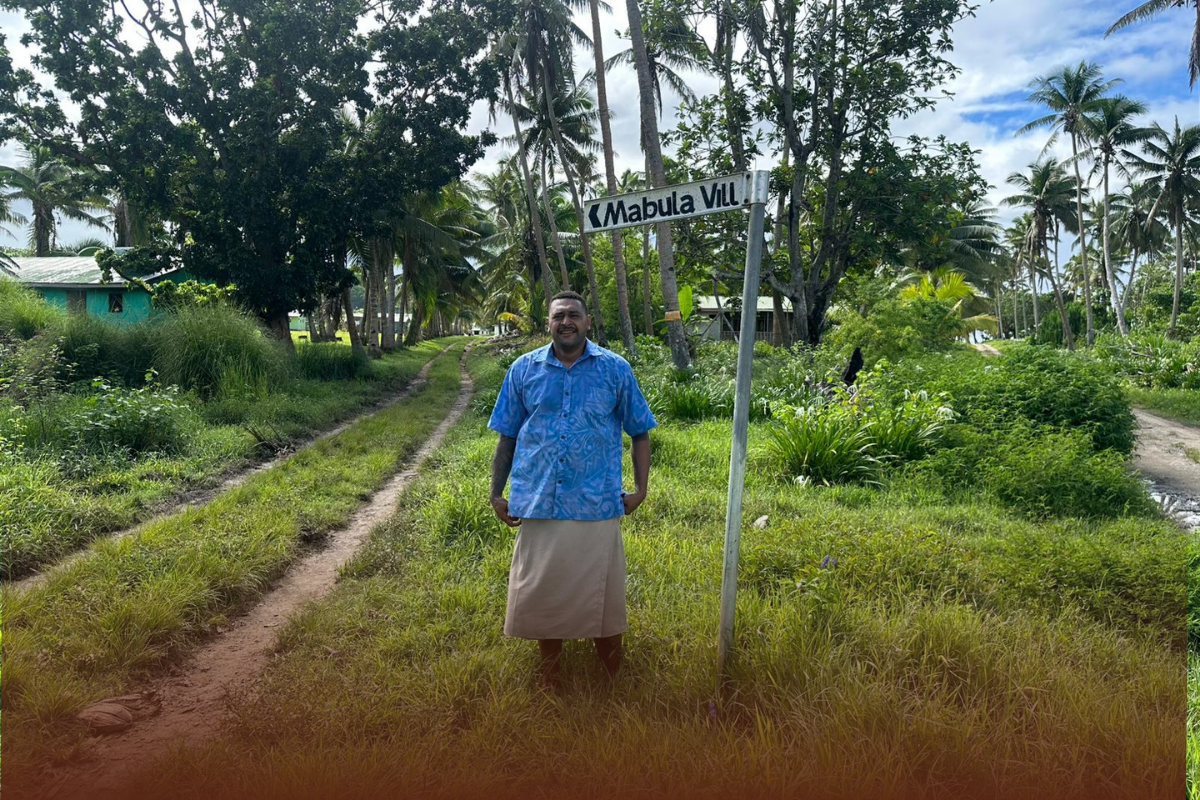
In this reflection, Apisai Kalivakarua, an iTaukei Indigenous leader from Fiji and member of the 2nd cohort of the ICI International Environmental Policy Fellowship, reflects on how local challenges in Mabula Village connect to global learning, highlighting youth engagement, community action, and the importance of linking local realities with global conversations.
ICI Video | ICI Presents: When the River Speaks
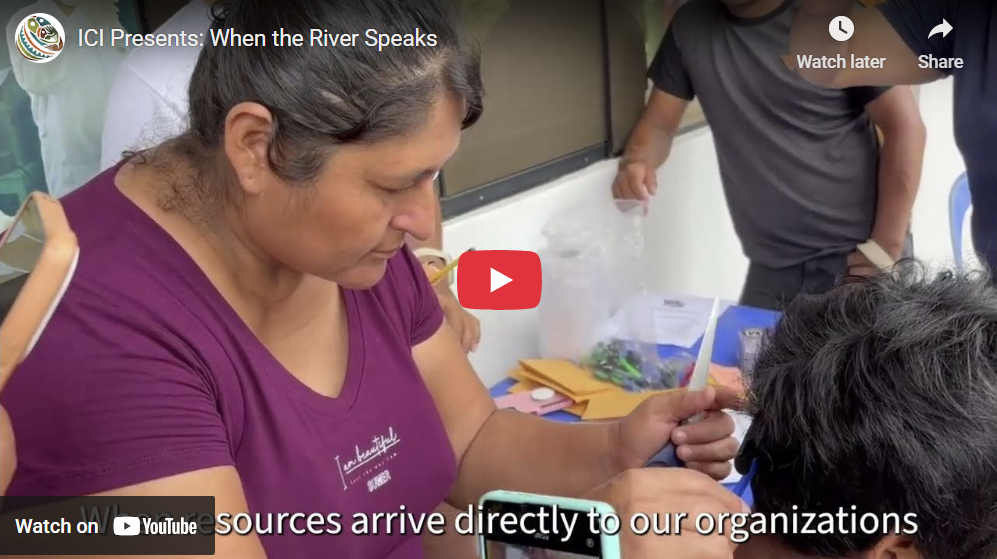
When the River Speaks follows Maglin, a young Yine mother from Peru’s Madre de Dios, as she carries her community’s voice to the global Minamata Convention to confront mercury contamination threatening Indigenous lives and territories. Supported by the Inclusive Conservation Initiative, Yine communities are strengthening territorial governance, training mercury monitors, and empowering women and youth to advocate for policies that protect their rivers, health, and futures.
My First Journey Beyond the Mountains: The Voice of an Indigenous Fellow on the Global Stage
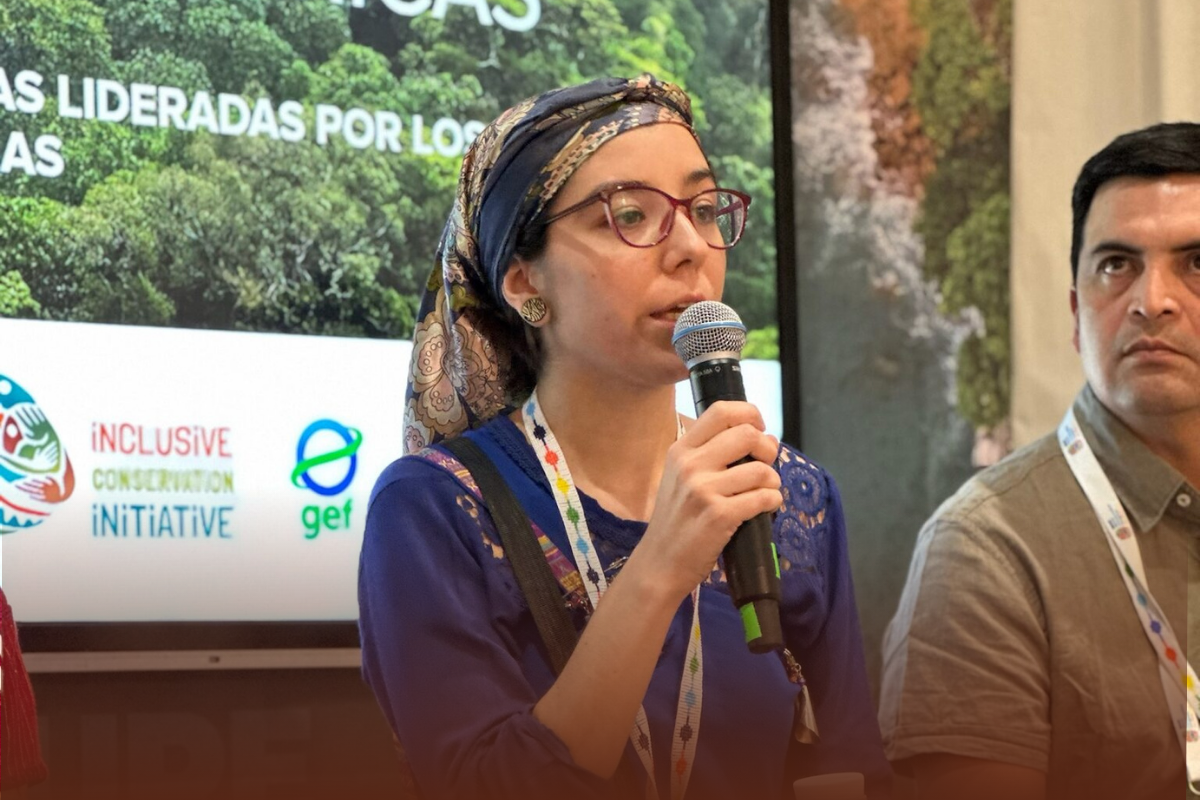
In this reflection, Luna Larrat, a Mapuche Indigenous leader from Argentina and member of the 2nd cohort of the ICI International Environmental Policy Fellowship, shares her experience participating in the IUCN World Conservation Congress and Indigenous Peoples Summit, reflecting on representing her community in global spaces and the importance of Indigenous leadership in international decision-making.
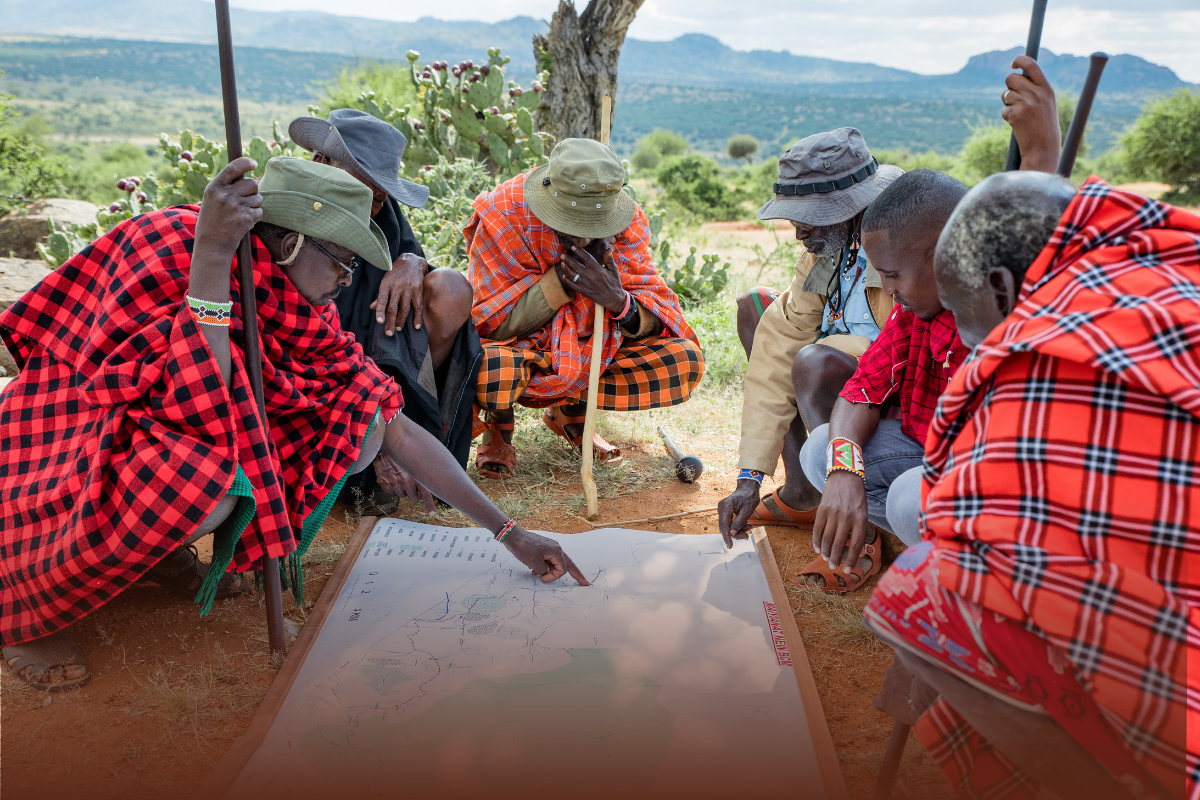
Walking the Talk: Indigenous Leadership Advances Inclusive Conservation Worldwide
Discover how Indigenous Peoples and Local Communities across 10 territories in 12 countries are leading inclusive conservation through biocultural mapping, direct financing, and community-driven governance. The ICI Phase Three report reveals measurable impacts across more than 6 million hectares, proving that Indigenous leadership is delivering durable biodiversity and climate solutions worldwide.
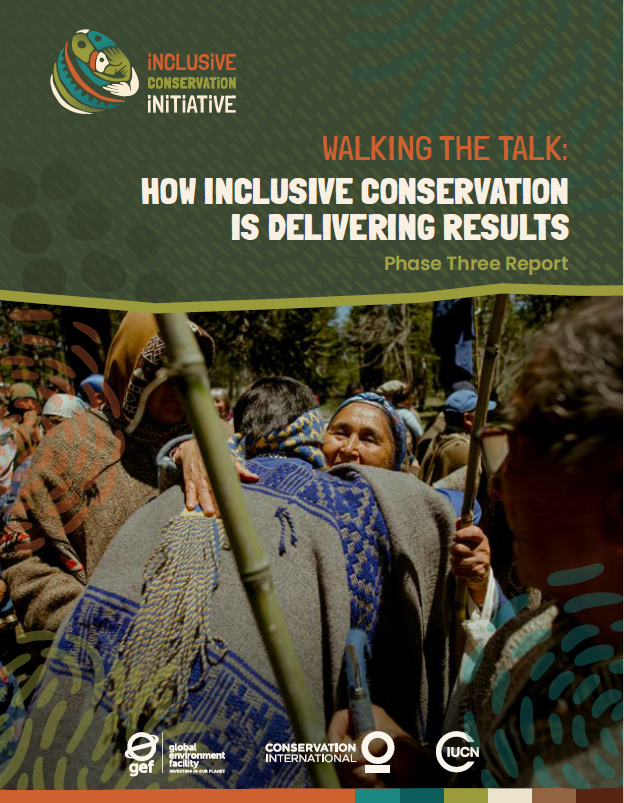
ICI Report | Inclusive Conservation Initiative Phase 3 Report – Walking the Talk: How Inclusive Conservation is Delivering Results
Phase 3 marks ICI’s transition from design to delivery, with Indigenous-led organizations across 12 countries directly managing conservation efforts at scale. The report highlights how Indigenous governance, gender-responsive systems, and culturally grounded monitoring are now shaping national policies and global agendas—offering a replicable model for rights-based, community-led conservation that works. With direct access to finance and decision-making power, they advanced land rights, governance, gender equity, and policy influence—proving that Indigenous-led action is critical to effective, scalable conservation.
ICI Video | The Path is Made by Walking: Indigenous Leadership Advances Inclusive Conservation in Kenya
This video features IMPACT Kenya’s use of biocultural mapping to secure pastoralist land rights and highlights how the Inclusive Conservation Initiative is enabling Indigenous Peoples and Local Communities to lead conservation across 10 territories in 12 countries. The 2024–25 Achievements and Learning Report shows how ICI is shifting power through rights-based finance, from land tenure gains in Tanzania to gender-responsive frameworks in the Amazon and biocultural education programs in Mesoamerica.
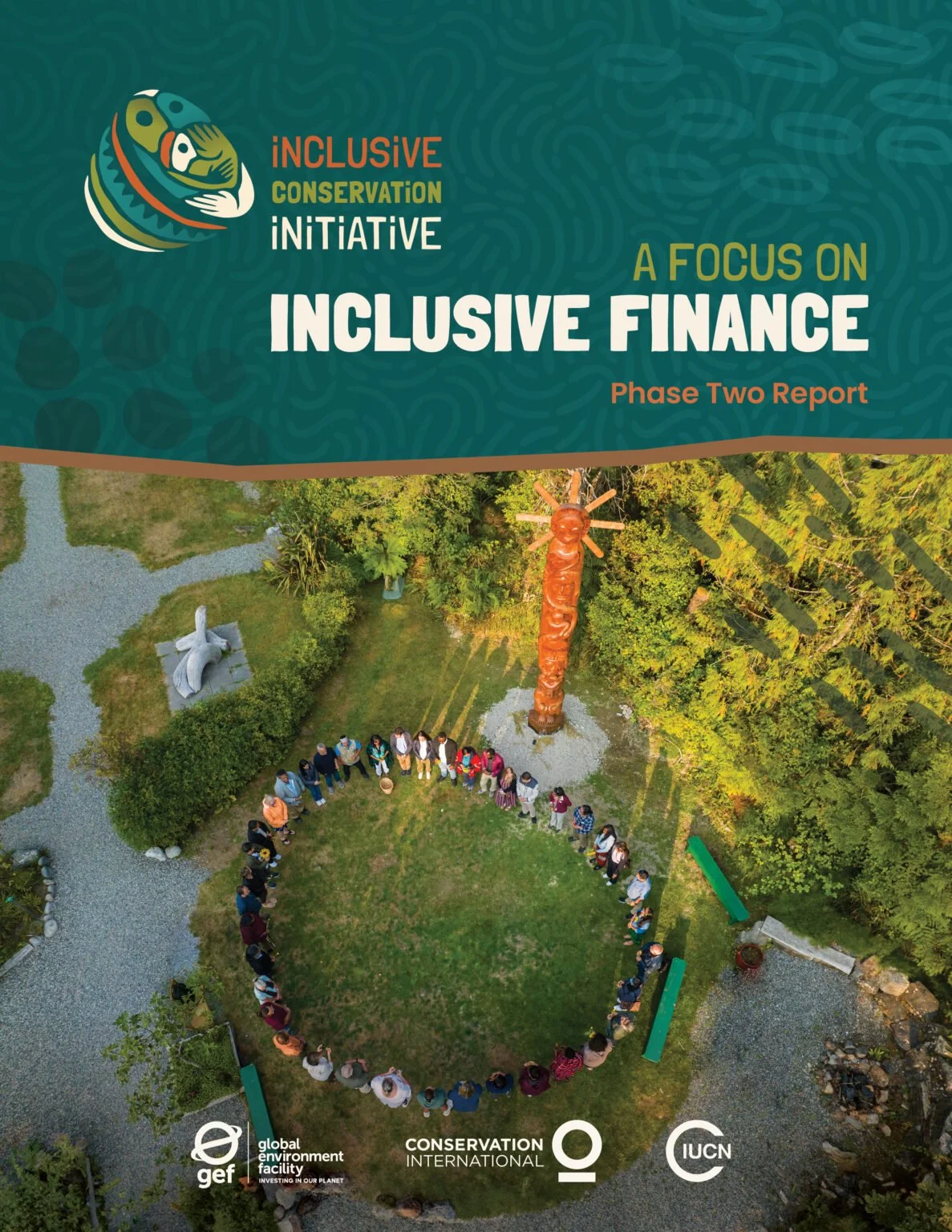
ICI Report | Inclusive Conservation Initiative (ICI) Phase Two Report: A Focus on Inclusive Finance
The Inclusive Conservation Initiative (ICI) Phase 2 Report provides a comprehensive overview of the progress made towards inclusive conservation practices and the implementation of Indigenous Peoples (IPs) and Local Communities (LCs)-led initiatives over the past year. Supported by the Global Environment Facility (GEF), this initiative highlights the leadership of IPs and LCs in conservation efforts and the delivery of global environmental benefits (GEBs).
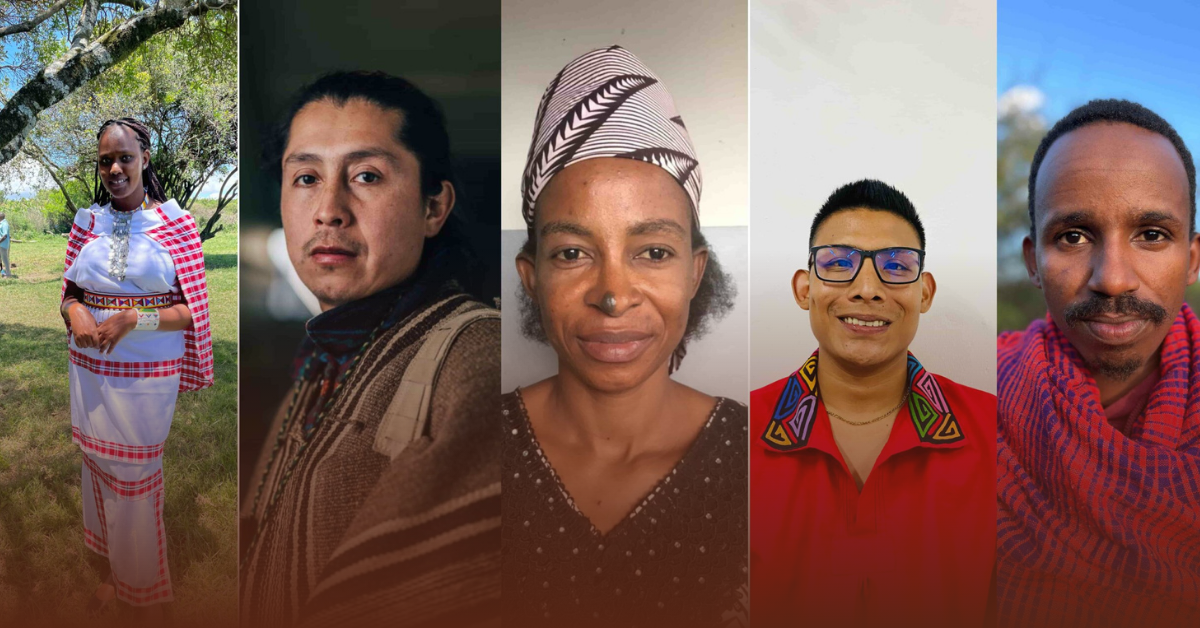
ICI kicks off International Environmental Policy Fellow Program
The Inclusive Conservation Initiative (ICI) has launched its International Environmental Policy Fellow Program, empowering Indigenous leaders from Tanzania, Panama, Chile, DRC, and Kenya to strengthen leadership and negotiation skills in global environmental policy. Fellows will apply their knowledge to advance Indigenous-led conservation, gender equity, and community-driven governance in their territories.