
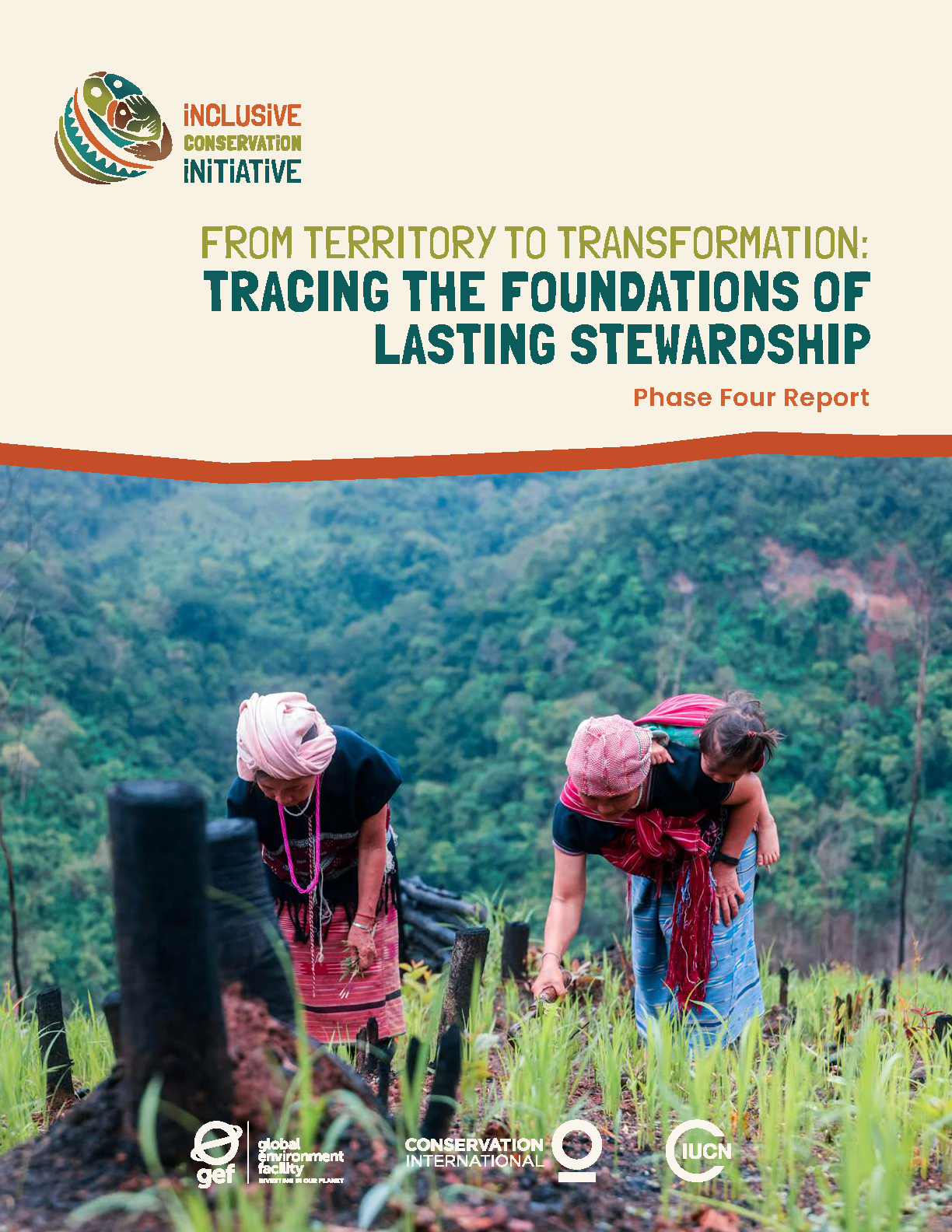
ICI Report | Inclusive Conservation Initiative (ICI) Phase Four Report - From Territory to Transformation: Tracing the Foundations of Lasting Stewardship
The Inclusive Conservation Initiative (ICI) Phase 4 Report provides a comprehensive overview of how direct, long-term financing is supporting Indigenous Peoples (IPs) and Local Communities (LCs) to drive lasting conservation outcomes and territorial transformation. Drawing on four years of implementation across 12 countries, the report highlights how IPs and LCs are strengthening institutions, securing rights and territories, advancing inclusive leadership, and applying their knowledge systems to deliver conservation at scale. Supported by the Global Environment Facility (GEF), the report also demonstrates how Indigenous-led stewardship is helping shape more direct and rights-based approaches to conservation finance.
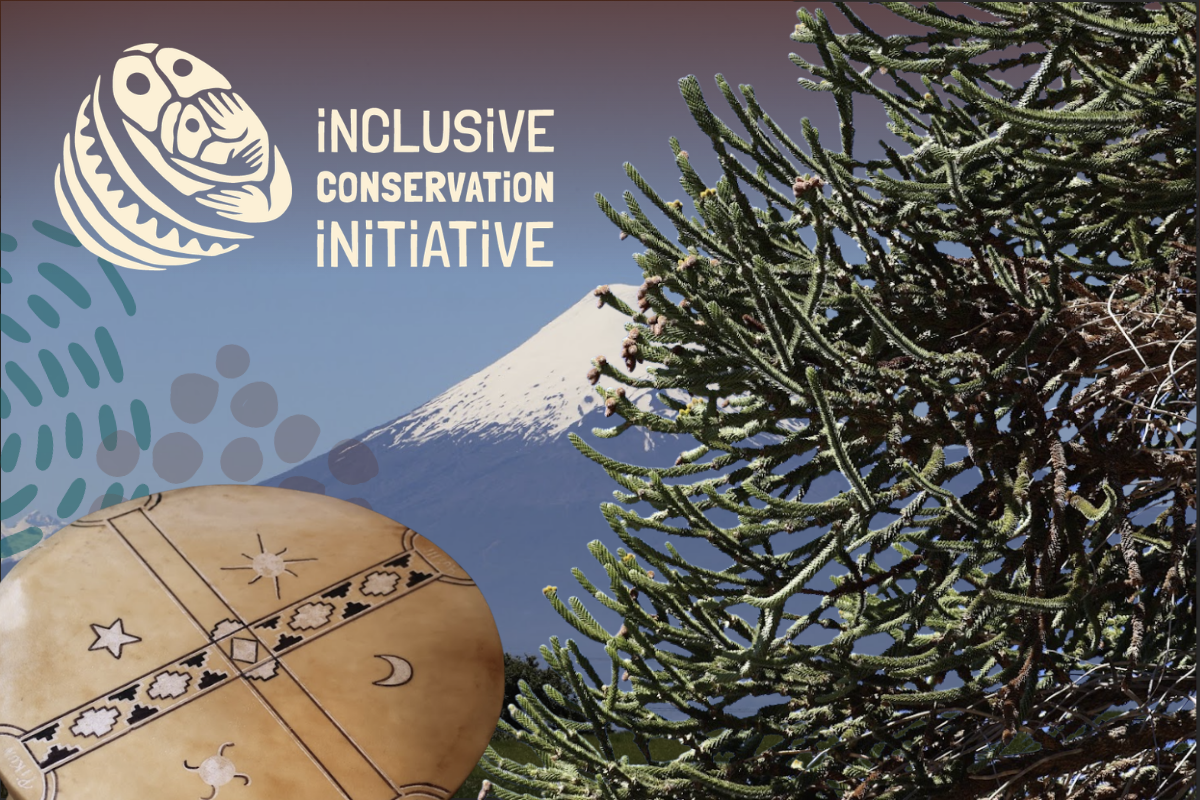
Territories of Life in Resilience and Resolve
Hear directly from Indigenous leaders in Chile and Argentina as they share what it means to protect nature, sustain culture, and defend their Territories of Life.
For generations, Indigenous peoples have safeguarded some of the world’s most vital ecosystems. Yet today, less than 1% of climate finance reaches them directly—and long-term support remains rare.
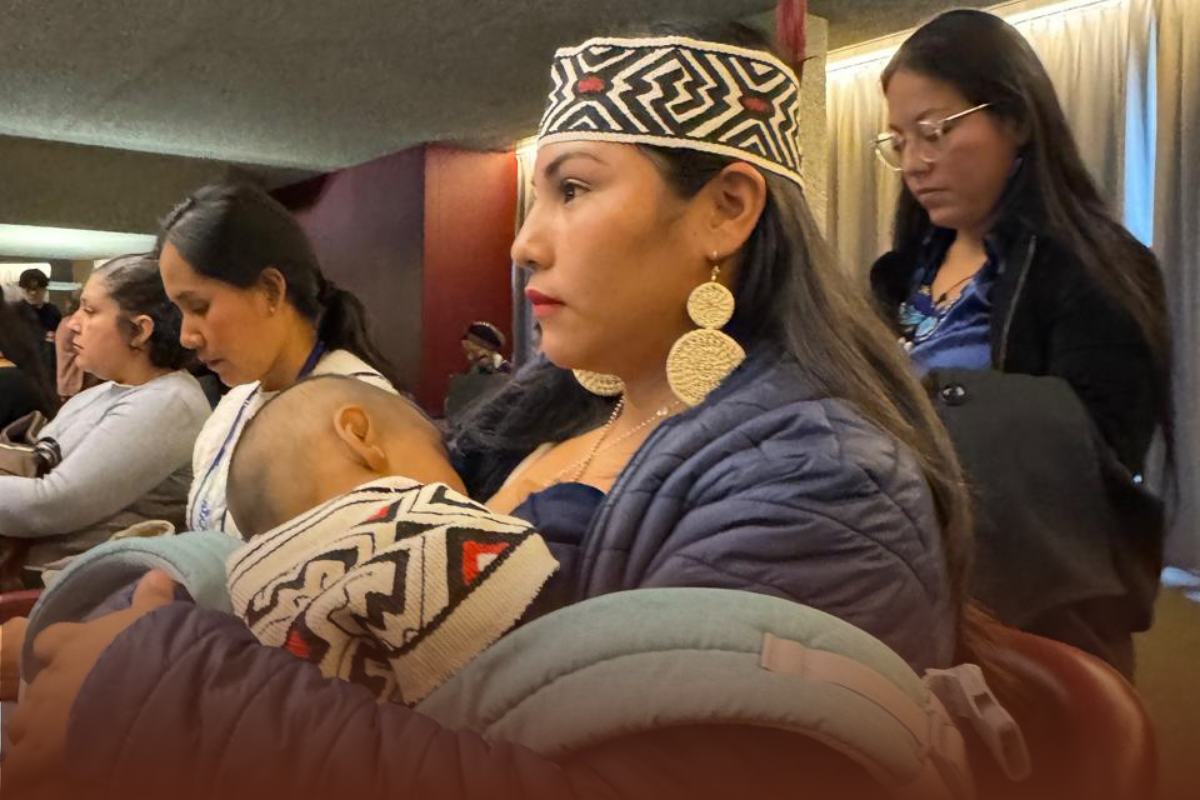
When Support Arrives On Time: Caring For Life From The Territory
In this reflection, Maglin Reonela Alvarado Vargas, a Yine Indigenous leader from Peru and member of the 2nd cohort of the ICI International Environmental Policy Fellowship, shares how long-term support enabled her community to address mercury contamination from gold mining while strengthening leadership, collective decision-making, and territorial protection.
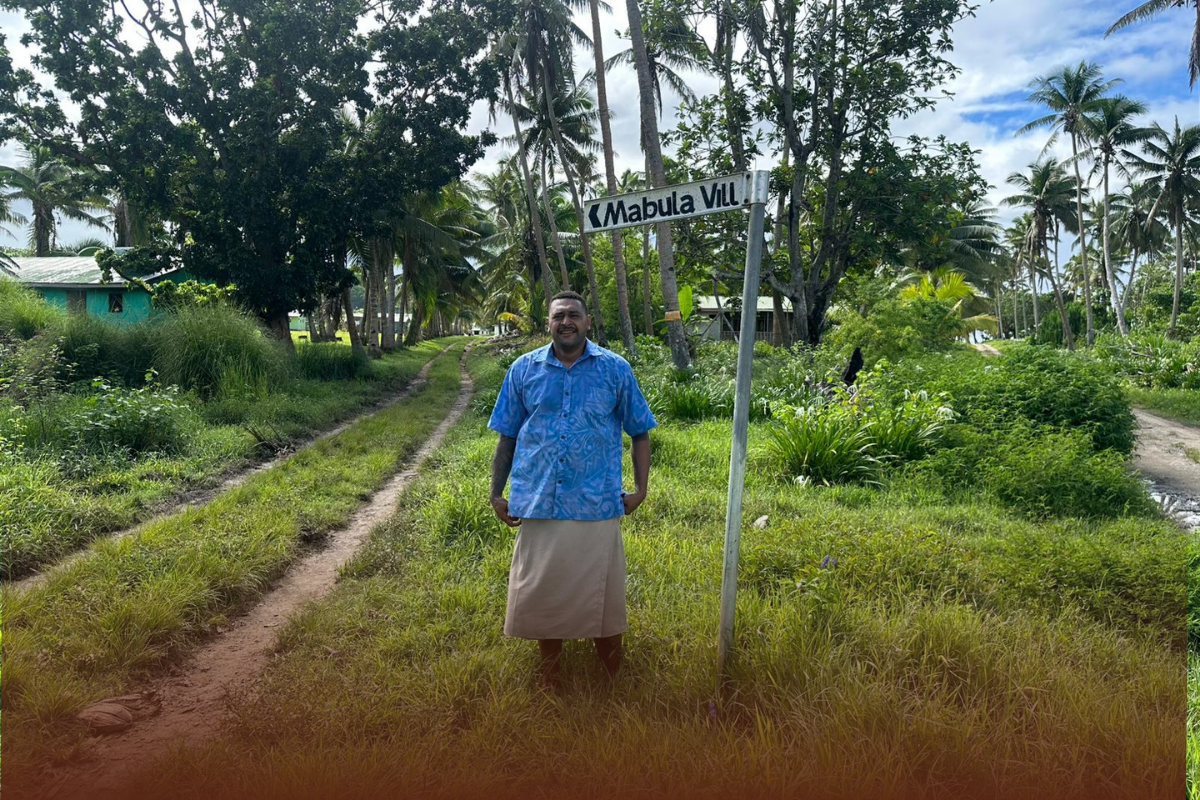
Connecting Local Challenges to Global Learning: Reflections from Mabula Village
In this reflection, Apisai Kalivakarua, an iTaukei Indigenous leader from Fiji and member of the 2nd cohort of the ICI International Environmental Policy Fellowship, reflects on how local challenges in Mabula Village connect to global learning, highlighting youth engagement, community action, and the importance of linking local realities with global conversations.
ICI Video | ICI Presents: When the River Speaks
When the River Speaks follows Maglin, a young Yine mother from Peru’s Madre de Dios, as she carries her community’s voice to the global Minamata Convention to confront mercury contamination threatening Indigenous lives and territories. Supported by the Inclusive Conservation Initiative, Yine communities are strengthening territorial governance, training mercury monitors, and empowering women and youth to advocate for policies that protect their rivers, health, and futures.
ICI Video | Lighting the Path with Indigenous Knowledge
2025 marks a defining year for Indigenous leadership in global environmental policy. Hear from Indigenous leaders of the Inclusive Conservation Initiative (ICI) on how Indigenous Knowledge is lighting the policy path -- from Abu Dhabi, to COP6 for the Minamata Convention, and to UNFCCC COP30 in Belém.
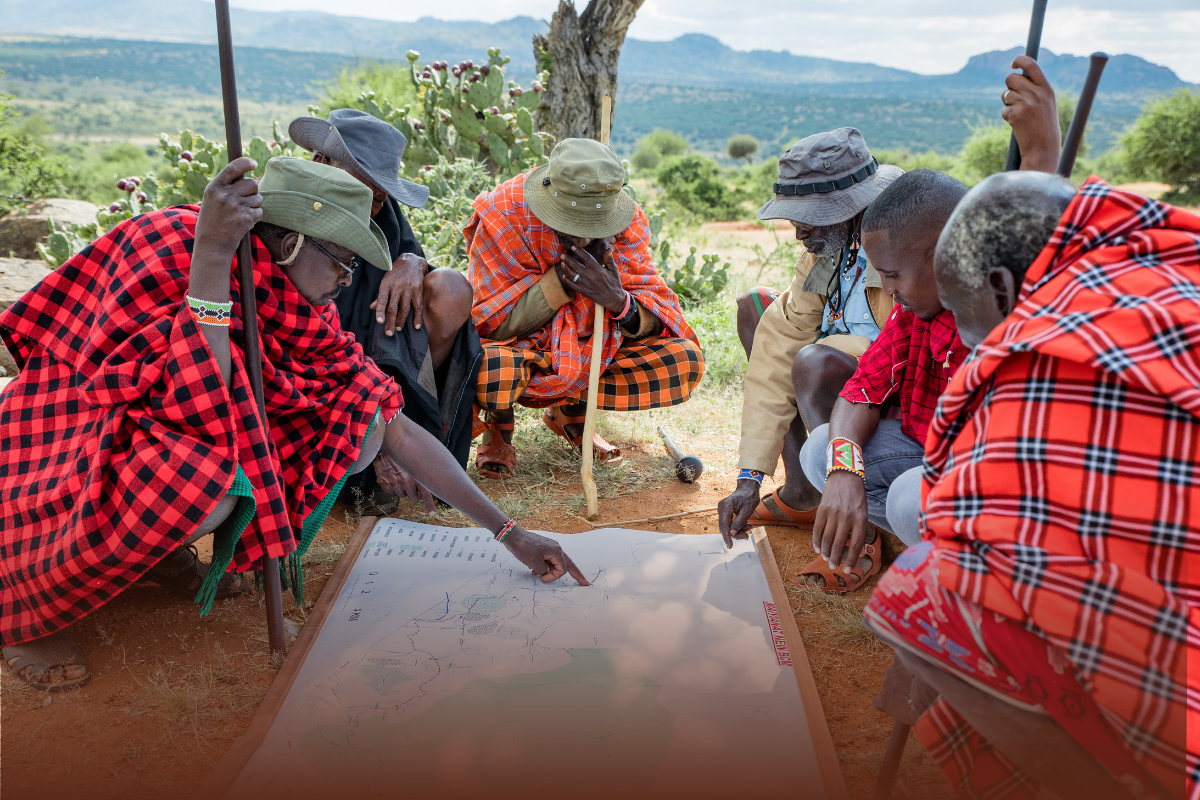
Walking the Talk: Indigenous Leadership Advances Inclusive Conservation Worldwide
Discover how Indigenous Peoples and Local Communities across 10 territories in 12 countries are leading inclusive conservation through biocultural mapping, direct financing, and community-driven governance. The ICI Phase Three report reveals measurable impacts across more than 6 million hectares, proving that Indigenous leadership is delivering durable biodiversity and climate solutions worldwide.
ICI Report | Inclusive Conservation Initiative Phase 3 Report – Walking the Talk: How Inclusive Conservation is Delivering Results
Phase 3 marks ICI’s transition from design to delivery, with Indigenous-led organizations across 12 countries directly managing conservation efforts at scale. The report highlights how Indigenous governance, gender-responsive systems, and culturally grounded monitoring are now shaping national policies and global agendas—offering a replicable model for rights-based, community-led conservation that works. With direct access to finance and decision-making power, they advanced land rights, governance, gender equity, and policy influence—proving that Indigenous-led action is critical to effective, scalable conservation.
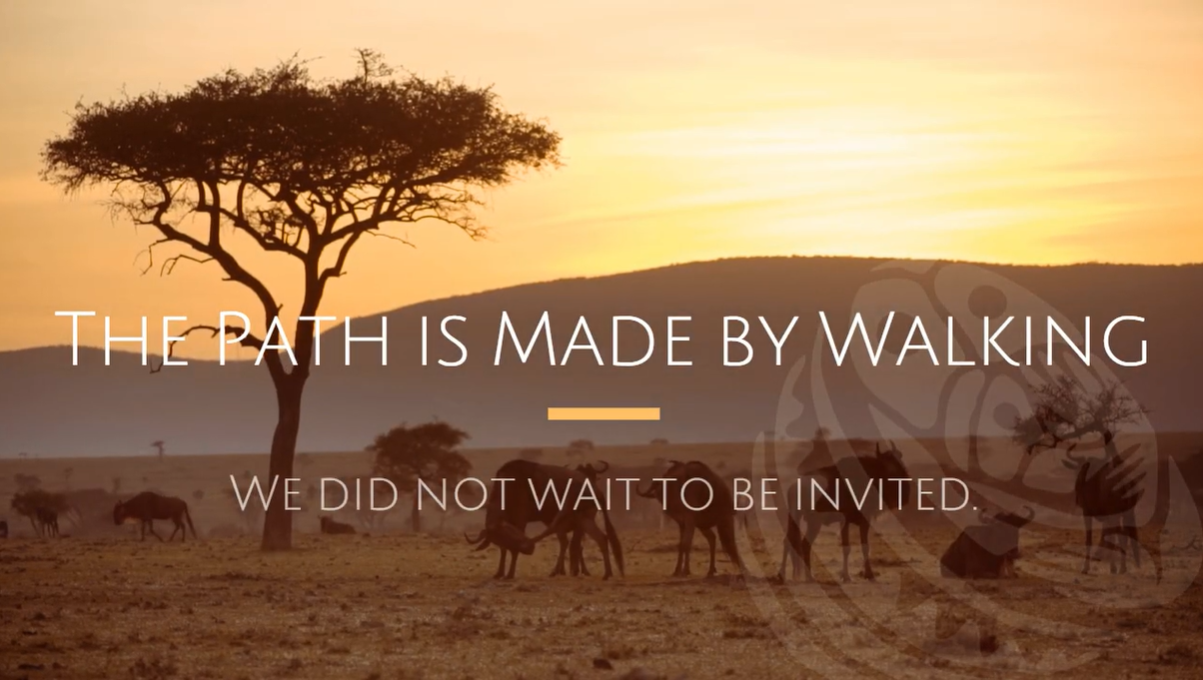
ICI Video | The Path is Made by Walking: Indigenous Leadership Advances Inclusive Conservation in Kenya
This video features IMPACT Kenya’s use of biocultural mapping to secure pastoralist land rights and highlights how the Inclusive Conservation Initiative is enabling Indigenous Peoples and Local Communities to lead conservation across 10 territories in 12 countries. The 2024–25 Achievements and Learning Report shows how ICI is shifting power through rights-based finance, from land tenure gains in Tanzania to gender-responsive frameworks in the Amazon and biocultural education programs in Mesoamerica.
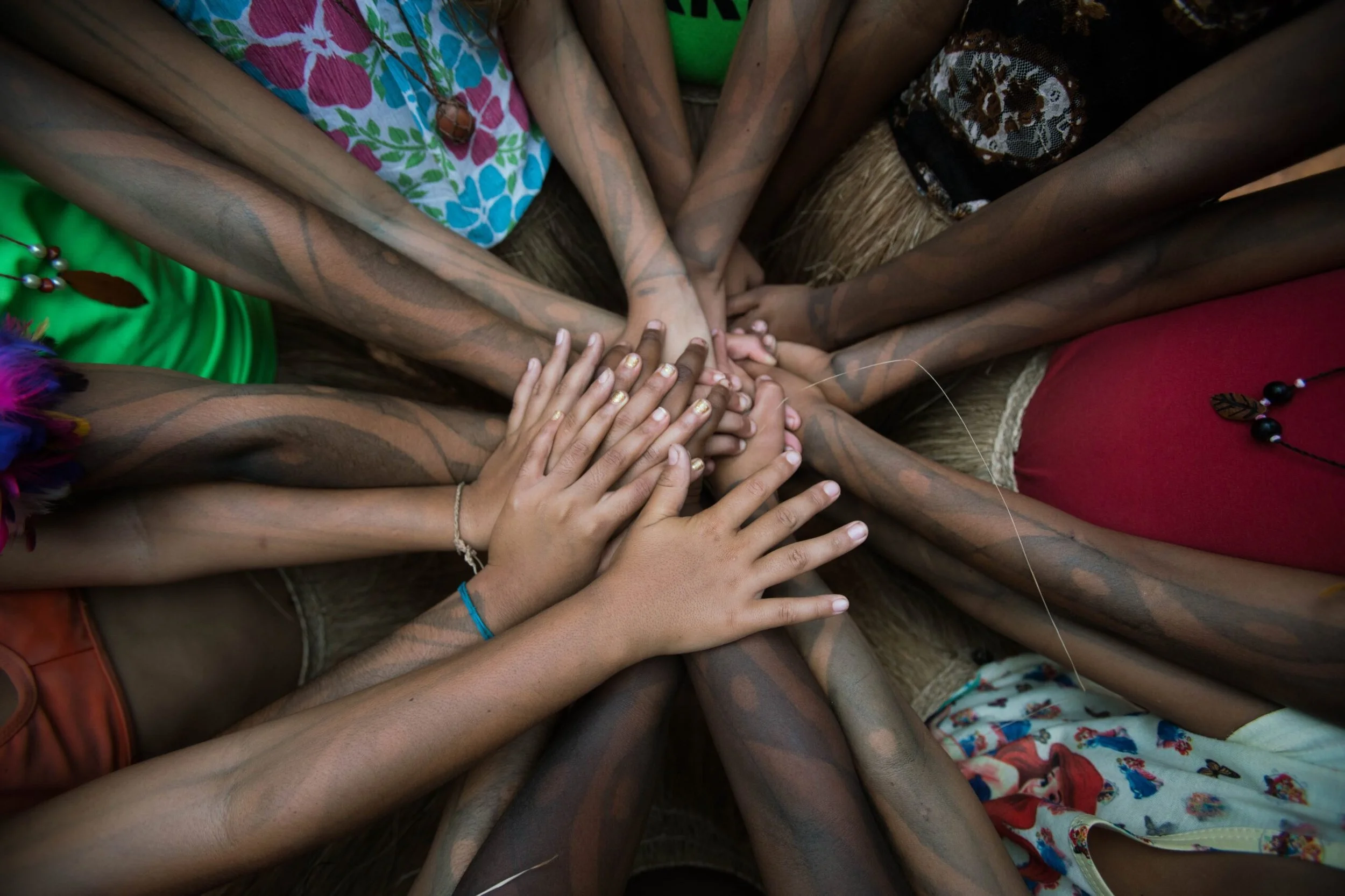
We are not beneficiaries of conservation efforts – we are partners
On International Mother Earth Day, Indigenous Peoples and Local Communities across ten geographies are demonstrating that they are not beneficiaries of conservation, but equal partners shaping biodiversity action through scaled, direct finance. From biocultural mapping to landmark co-governance agreements, the Inclusive Conservation Initiative shows how Indigenous leadership is redefining conservation worldwide.
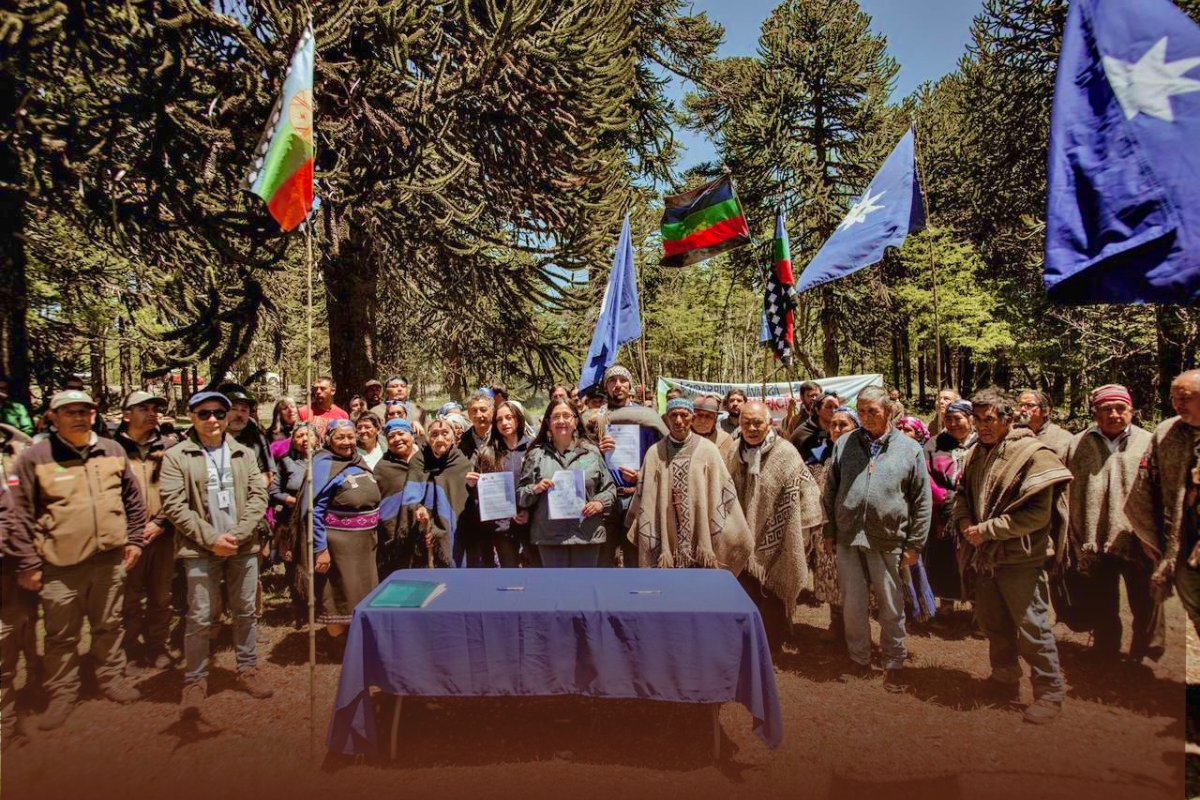
Historic Co-Governance Agreement for Villarrica National Park
In December 2024, more than 13 Mapuche communities and the Chilean government signed a landmark co-governance agreement granting Indigenous Peoples formal territorial rights within Villarrica National Park. This unprecedented framework establishes a shared Governance and Management Council, setting a national precedent for inclusive conservation rooted in Indigenous worldview and stewardship.
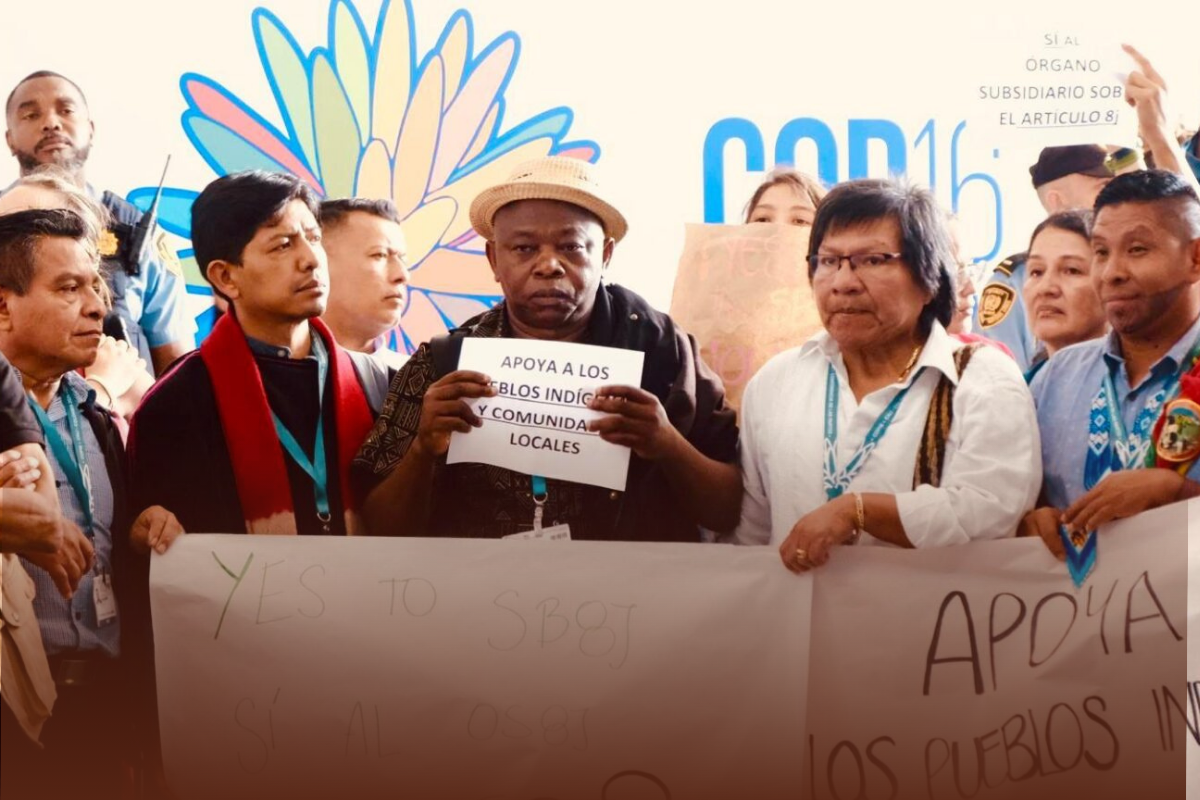
COP16: Advancing Indigenous Leadership and Inclusive Conservation
At CBD COP16, Indigenous leaders from the Democratic Republic of Congo showcased how direct access to biodiversity finance, legal recognition of ICCAs, and traditional governance are transforming conservation outcomes. Through ANAPAC and the Inclusive Conservation Initiative, IPLCs are advancing women’s leadership, securing territories of life, and shaping global biodiversity policy.
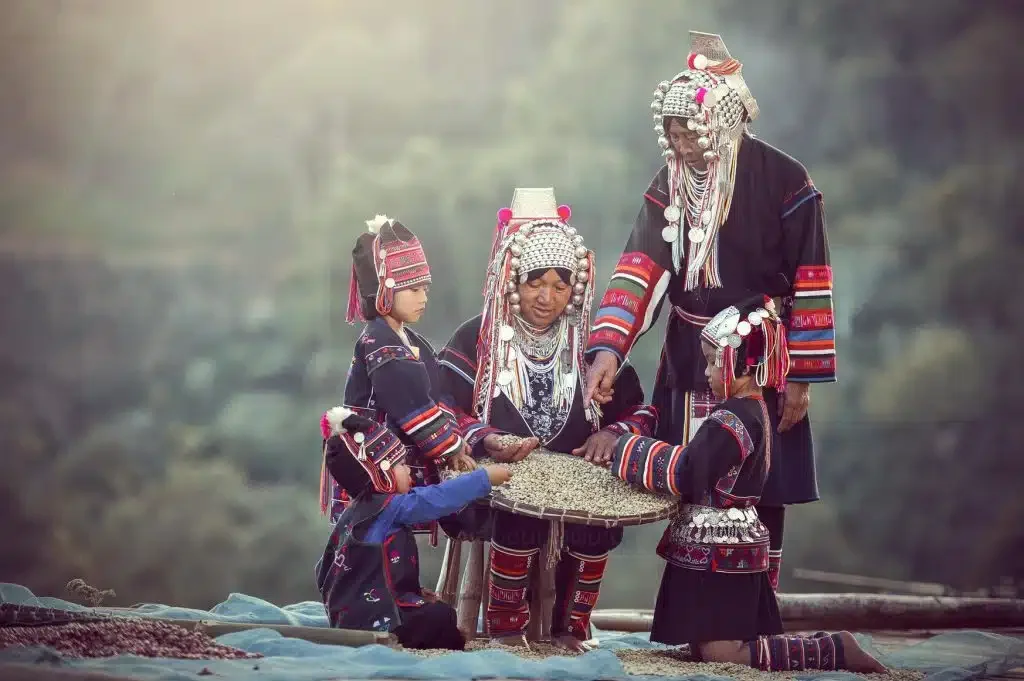
Indigenous Peoples and Local Communities, Gender and Biodiversity Linkages
In this self-paced course, you will explore the connections between gender and biodiversity and learn practical tools to develop gender-responsive approaches and policies for Indigenous Peoples and local communities, aligning with the Kunming-Montreal Global Biodiversity Framework.
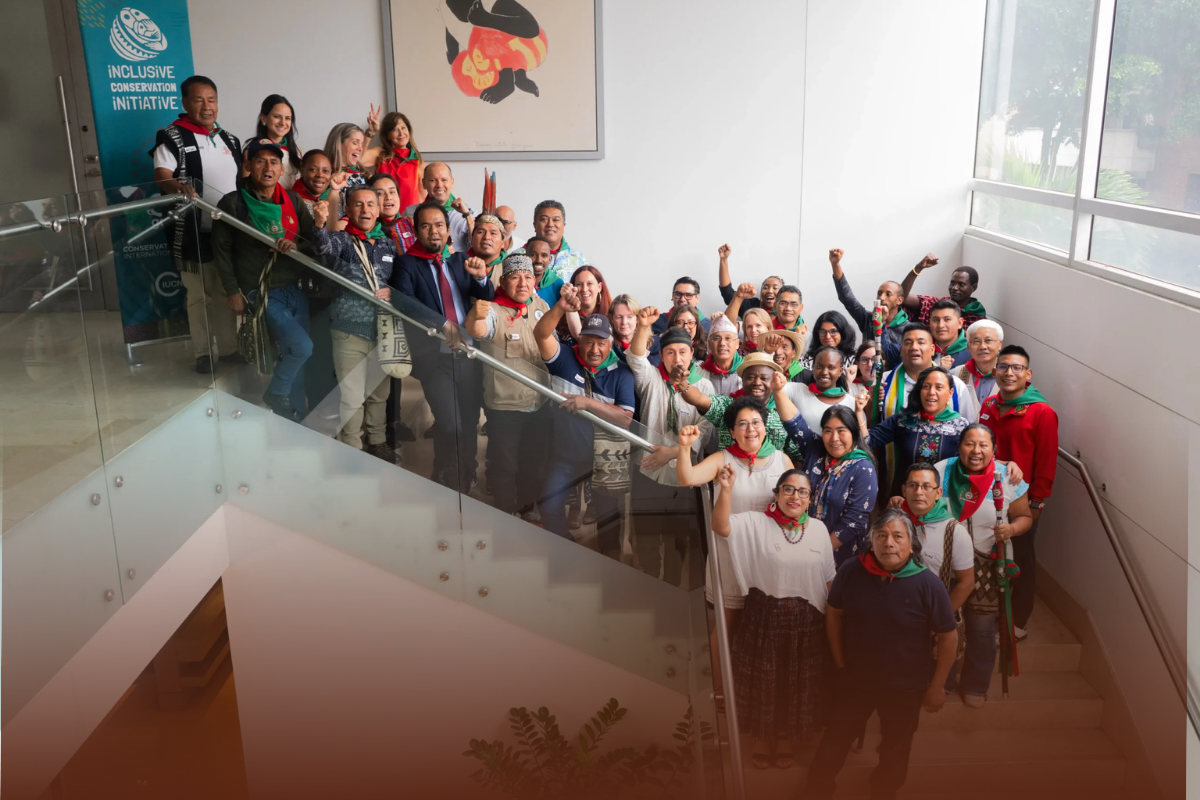
ICI at COP16: Fostering Inclusive Conservation and advancing Indigenous Rights
At COP16 in Cali, Colombia, Indigenous co-chairs of the Inclusive Conservation Initiative demonstrated Indigenous governance in action, reaching consensus on 15 strategic decisions to guide global conservation. Through direct engagement with the GEF and IIFB, ICI leaders advanced the case for Indigenous Peoples and Local Communities as primary decision-makers in biodiversity finance and policy.
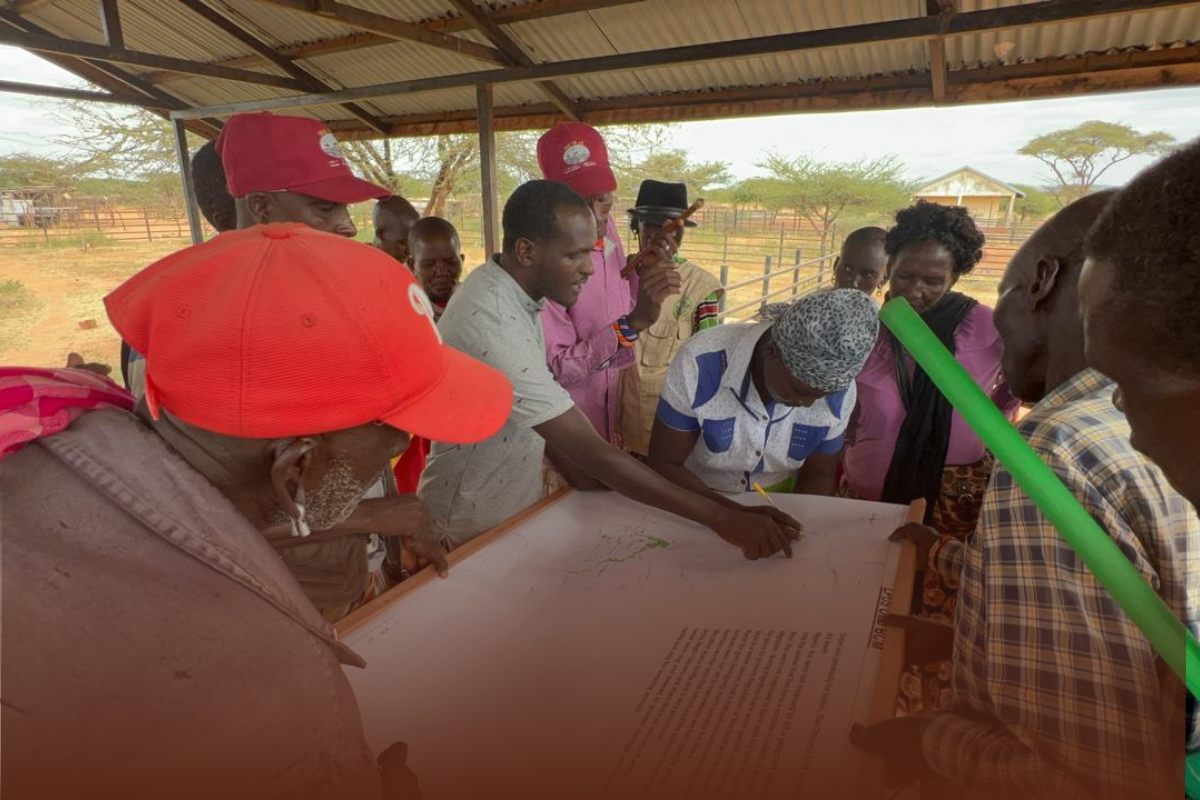
The First Annual Stakeholder Forum for the Inclusive Conservation Initiative in Kenya
At the first Annual ICI Kenya Stakeholder Forum in Nanyuki, Indigenous leaders and conservation partners reviewed Year 1 achievements, including biocultural mapping with 22 communities across the Mid-Ewaso Ng’iro River Basin. The forum catalyzed a shared Manifesto for Inclusive Conservation, reaffirming Indigenous self-determination as the foundation for safeguarding biocultural diversity in Kenya.
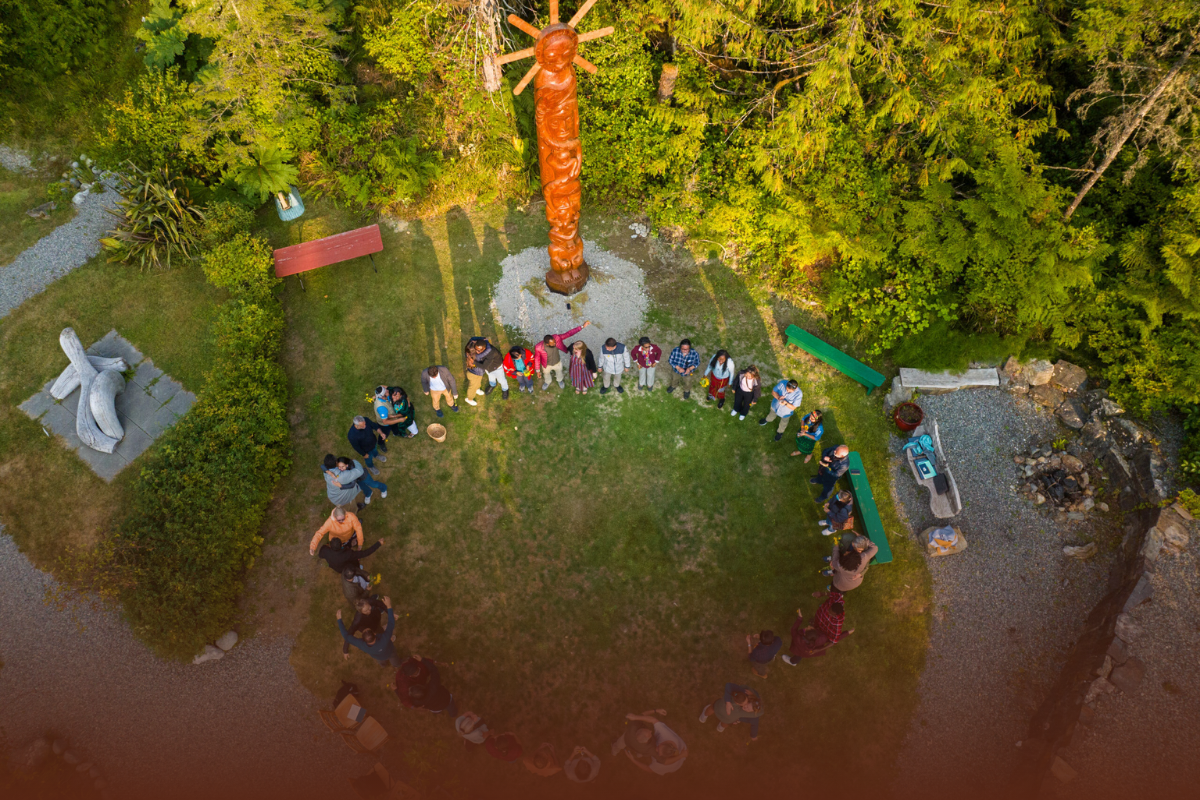
Inclusive Conservation Initiative (ICI) Phase 2 Report: A Focus on Inclusive Finance
The ICI Phase 2 Report highlights how $14.5 million in direct-access agreements are enabling Indigenous Peoples and Local Communities to lead conservation through their own governance systems. Supported by the GEF, the report demonstrates how inclusive finance is transforming biodiversity protection while advancing rights-based, self-determined climate and conservation solutions.
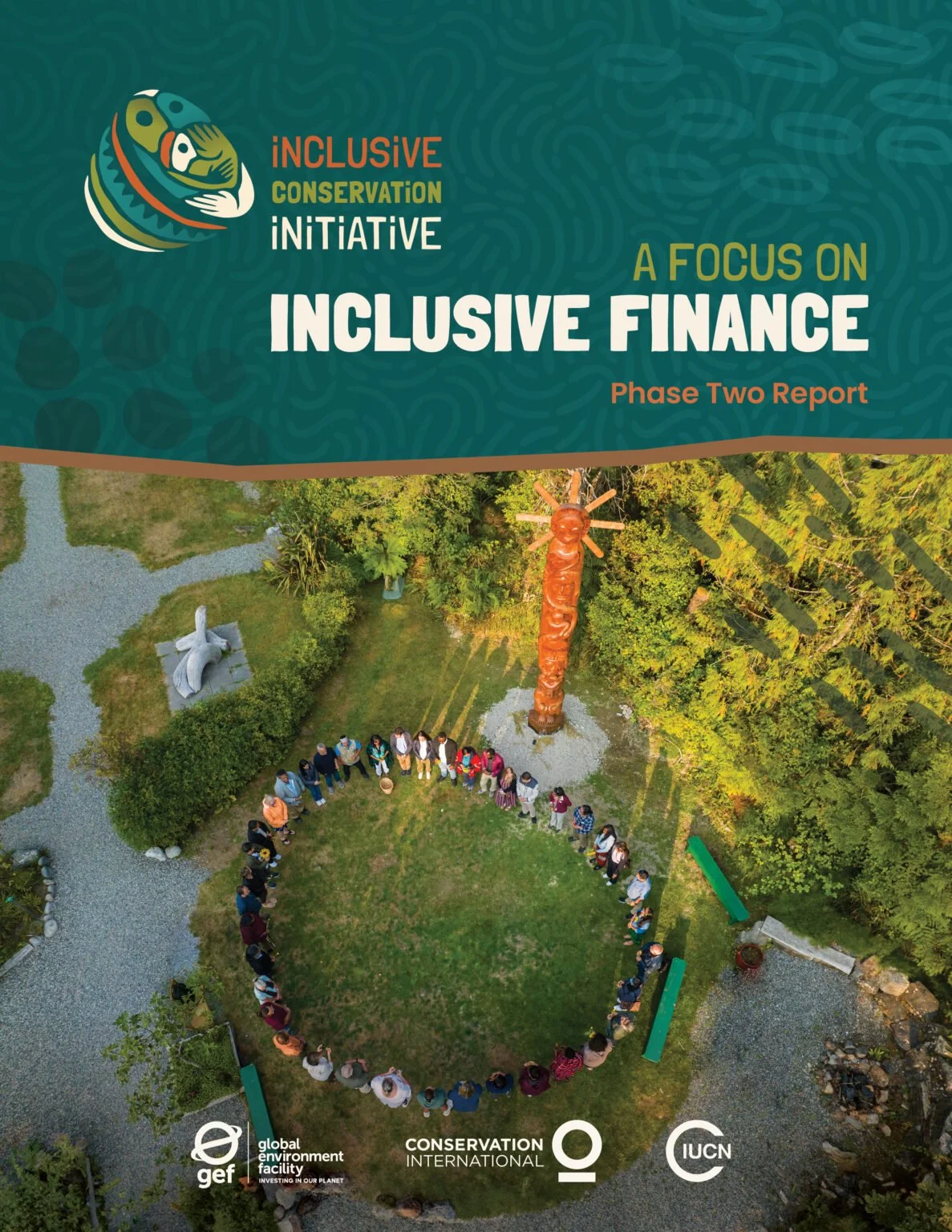
ICI Report | Inclusive Conservation Initiative (ICI) Phase Two Report: A Focus on Inclusive Finance
The Inclusive Conservation Initiative (ICI) Phase 2 Report provides a comprehensive overview of the progress made towards inclusive conservation practices and the implementation of Indigenous Peoples (IPs) and Local Communities (LCs)-led initiatives over the past year. Supported by the Global Environment Facility (GEF), this initiative highlights the leadership of IPs and LCs in conservation efforts and the delivery of global environmental benefits (GEBs).
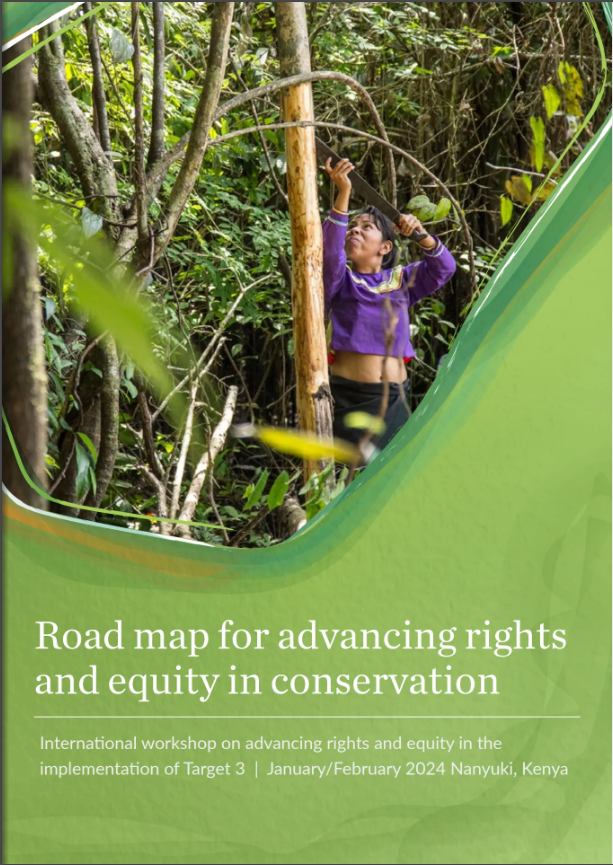
Brief | Road Map for Advancing Rights and Equity in Conservation
International workshop on advancing rights and equity in the implementation of Target 3 | January/February 2024 Nanyuki, Kenya.
Indigenous Leaders Of ICI Advocate For Inclusion At GEF Assembly
Indigenous leaders from the Inclusive Conservation Initiative (ICI) participated in the GEF Assembly in Vancouver, advocating for inclusive conservation and greater recognition of Indigenous-led initiatives. They highlighted the importance of direct funding, Indigenous governance, and gender equity, while welcoming the launch of the Global Biodiversity Framework Fund (GBFF) to support Indigenous and local communities.
ICI Video | ICI-GEF 1st Global Learning Exchange
The first Inclusive Conservation Initiative Global Learning Exchange was hosted by the Isaak Olam Foundation on the unceded territory of the Tla-o-qui-aht First Nation in August 2023, bringing together Indigenous leaders from all ten ICI initiatives and members of the GEF Indigenous Peoples Advisory Group. The gathering included the inaugural meeting of the ICI Global Steering Committee ahead of the 7th GEF Assembly in Vancouver, marking a milestone in Indigenous-led global conservation governance.