
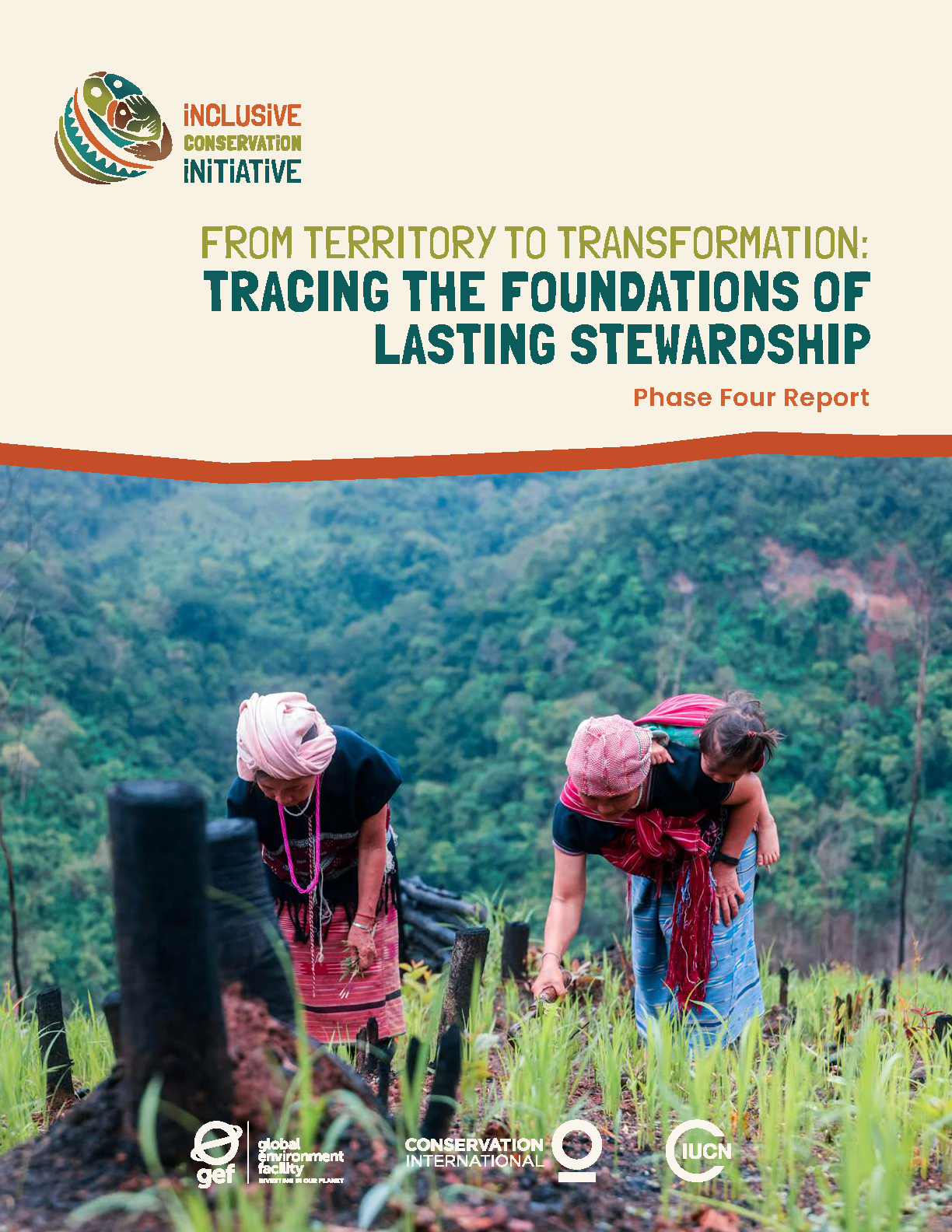
ICI Report | Inclusive Conservation Initiative (ICI) Phase Four Report - From Territory to Transformation: Tracing the Foundations of Lasting Stewardship
The Inclusive Conservation Initiative (ICI) Phase 4 Report provides a comprehensive overview of how direct, long-term financing is supporting Indigenous Peoples (IPs) and Local Communities (LCs) to drive lasting conservation outcomes and territorial transformation. Drawing on four years of implementation across 12 countries, the report highlights how IPs and LCs are strengthening institutions, securing rights and territories, advancing inclusive leadership, and applying their knowledge systems to deliver conservation at scale. Supported by the Global Environment Facility (GEF), the report also demonstrates how Indigenous-led stewardship is helping shape more direct and rights-based approaches to conservation finance.
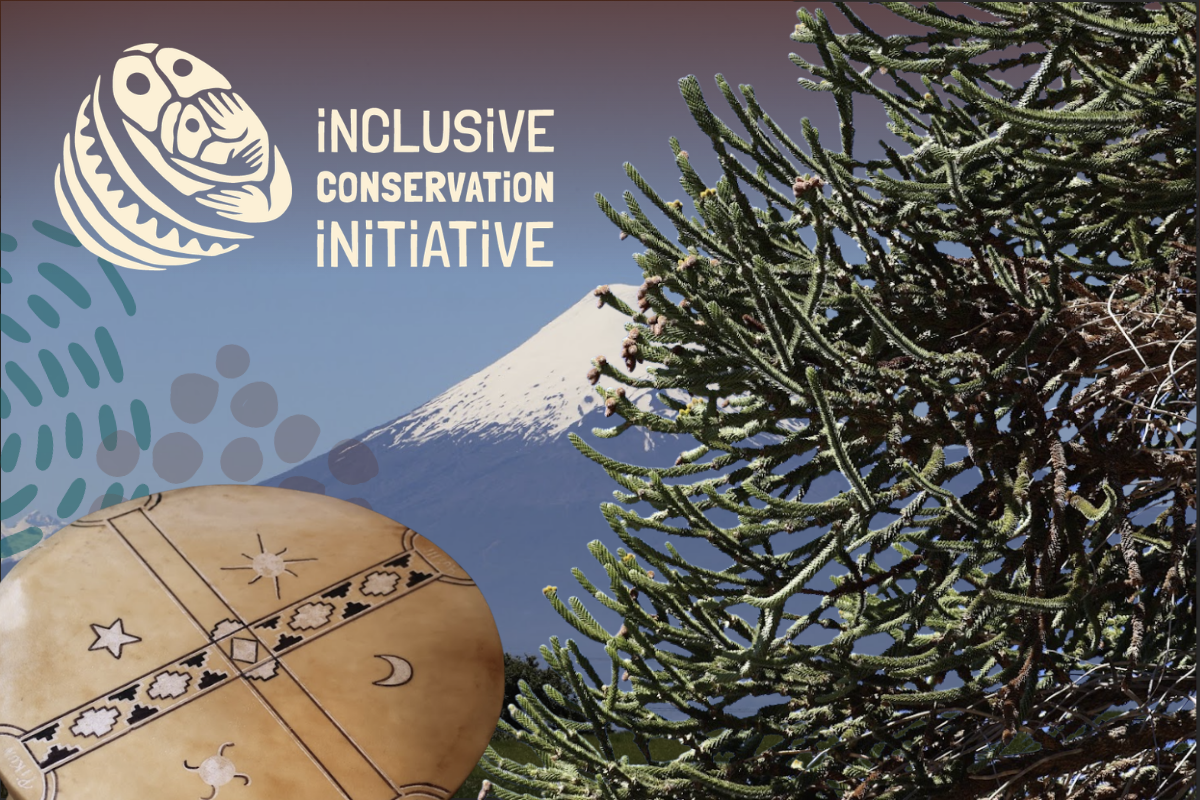
Territories of Life in Resilience and Resolve
Hear directly from Indigenous leaders in Chile and Argentina as they share what it means to protect nature, sustain culture, and defend their Territories of Life.
For generations, Indigenous peoples have safeguarded some of the world’s most vital ecosystems. Yet today, less than 1% of climate finance reaches them directly—and long-term support remains rare.
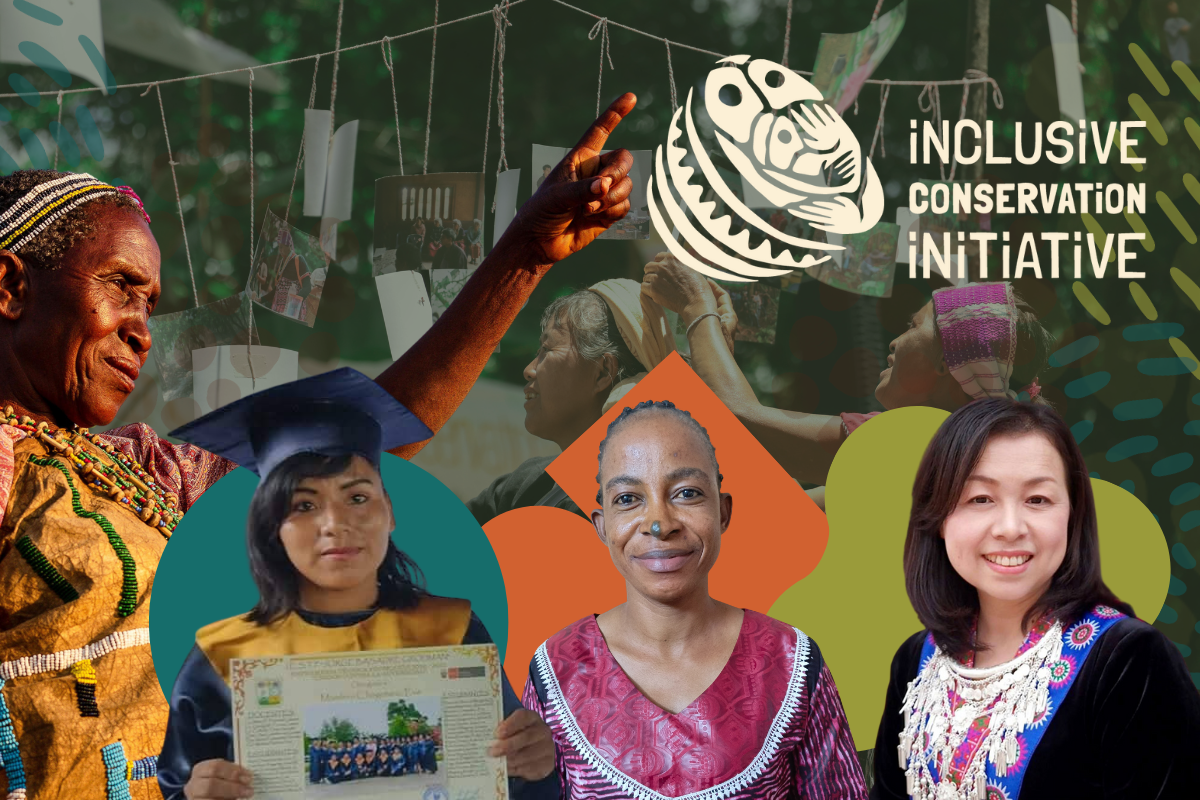
Episode Two | Indigenous Women Redefining Science
In this episode of ICI’s Indigenous Women Redefining Science series, Esther Ngalula of ANAPAC (Democratic Republic of Congo) shares how Indigenous Batwa women are combining ancestral knowledge with tools like participatory mapping and GPS to protect biodiversity and strengthen leadership.

Living with Change: Community Adaptation and Climate Learning in Northern Thailand
In this reflection, Chanchira Tawangthan, a Phutai Indigenous leader from Thailand and member of the 2nd cohort of the ICI International Environmental Policy Fellowship, shares insights from her work with communities adapting to climate change, highlighting the importance of local knowledge, community resilience, and long-term support.
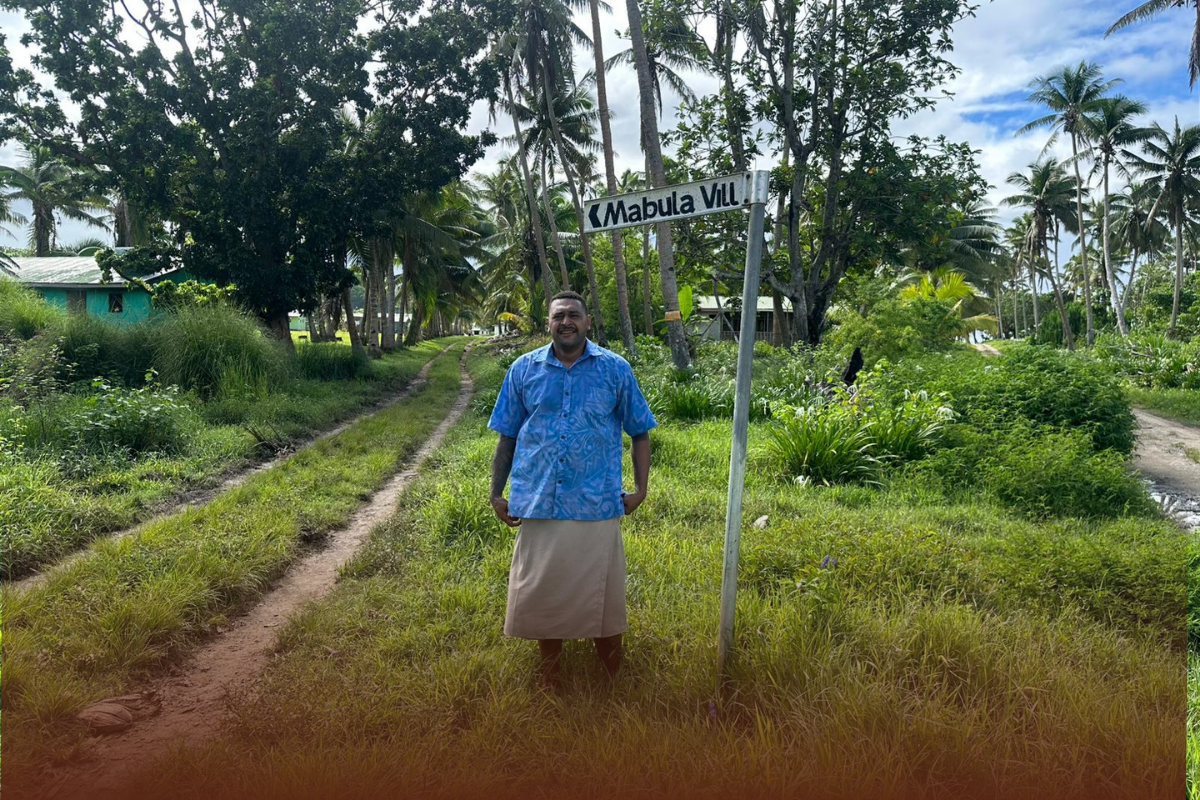
Connecting Local Challenges to Global Learning: Reflections from Mabula Village
In this reflection, Apisai Kalivakarua, an iTaukei Indigenous leader from Fiji and member of the 2nd cohort of the ICI International Environmental Policy Fellowship, reflects on how local challenges in Mabula Village connect to global learning, highlighting youth engagement, community action, and the importance of linking local realities with global conversations.
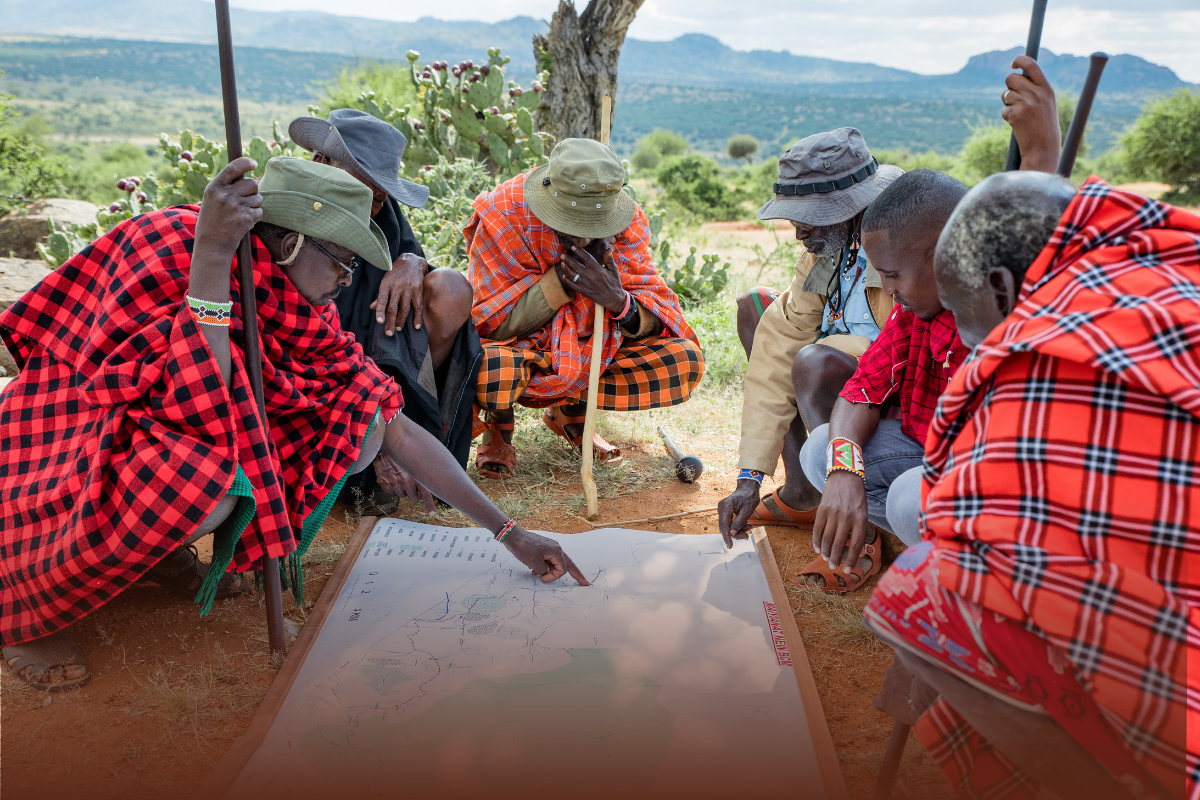
Walking the Talk: Indigenous Leadership Advances Inclusive Conservation Worldwide
Discover how Indigenous Peoples and Local Communities across 10 territories in 12 countries are leading inclusive conservation through biocultural mapping, direct financing, and community-driven governance. The ICI Phase Three report reveals measurable impacts across more than 6 million hectares, proving that Indigenous leadership is delivering durable biodiversity and climate solutions worldwide.
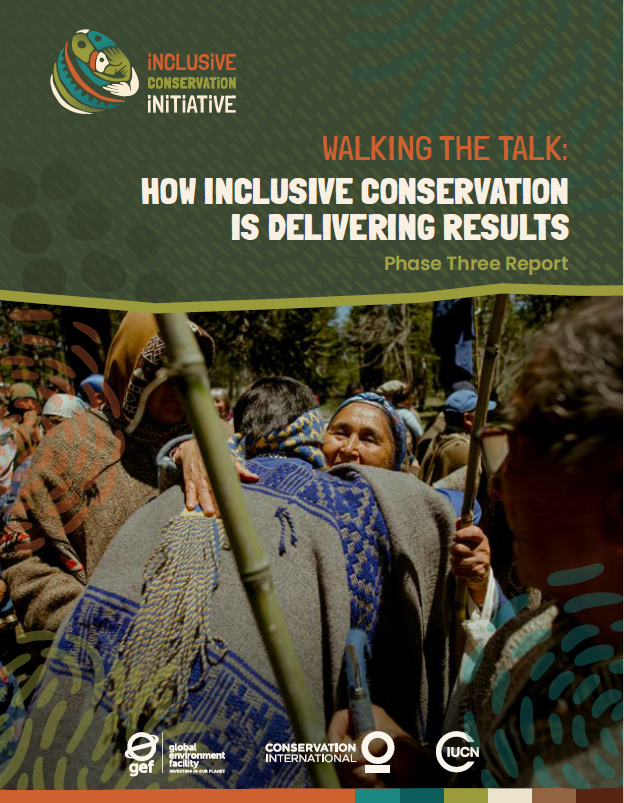
ICI Report | Inclusive Conservation Initiative Phase 3 Report – Walking the Talk: How Inclusive Conservation is Delivering Results
Phase 3 marks ICI’s transition from design to delivery, with Indigenous-led organizations across 12 countries directly managing conservation efforts at scale. The report highlights how Indigenous governance, gender-responsive systems, and culturally grounded monitoring are now shaping national policies and global agendas—offering a replicable model for rights-based, community-led conservation that works. With direct access to finance and decision-making power, they advanced land rights, governance, gender equity, and policy influence—proving that Indigenous-led action is critical to effective, scalable conservation.
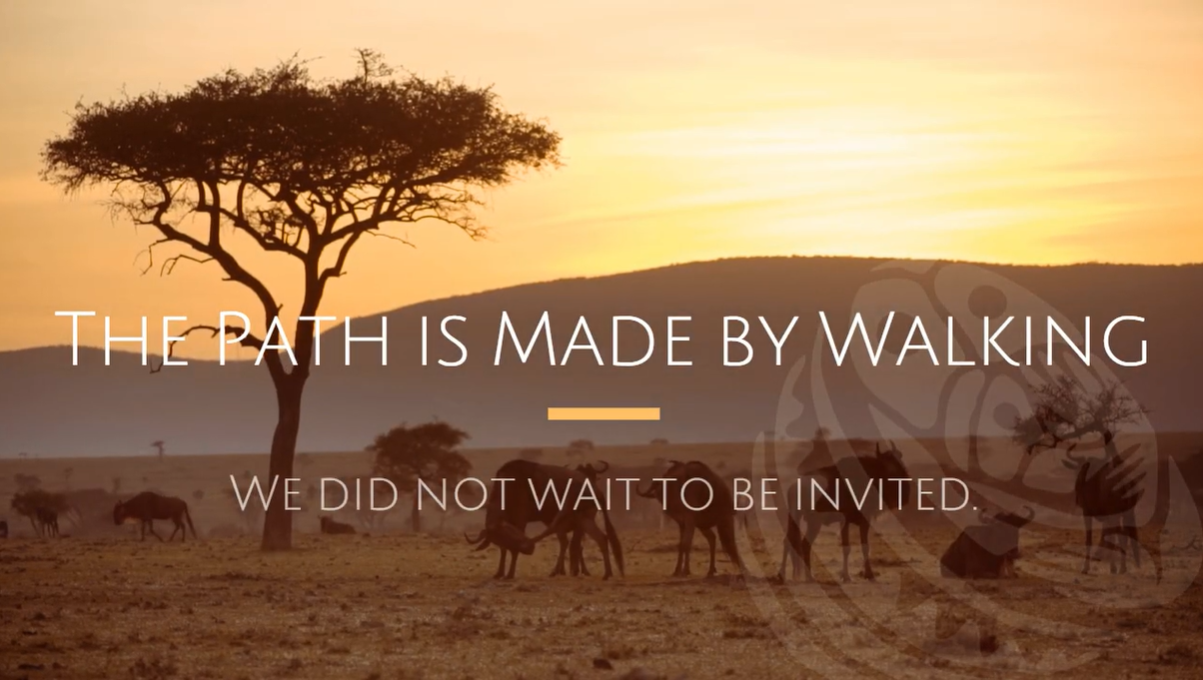
ICI Video | The Path is Made by Walking: Indigenous Leadership Advances Inclusive Conservation in Kenya
This video features IMPACT Kenya’s use of biocultural mapping to secure pastoralist land rights and highlights how the Inclusive Conservation Initiative is enabling Indigenous Peoples and Local Communities to lead conservation across 10 territories in 12 countries. The 2024–25 Achievements and Learning Report shows how ICI is shifting power through rights-based finance, from land tenure gains in Tanzania to gender-responsive frameworks in the Amazon and biocultural education programs in Mesoamerica.
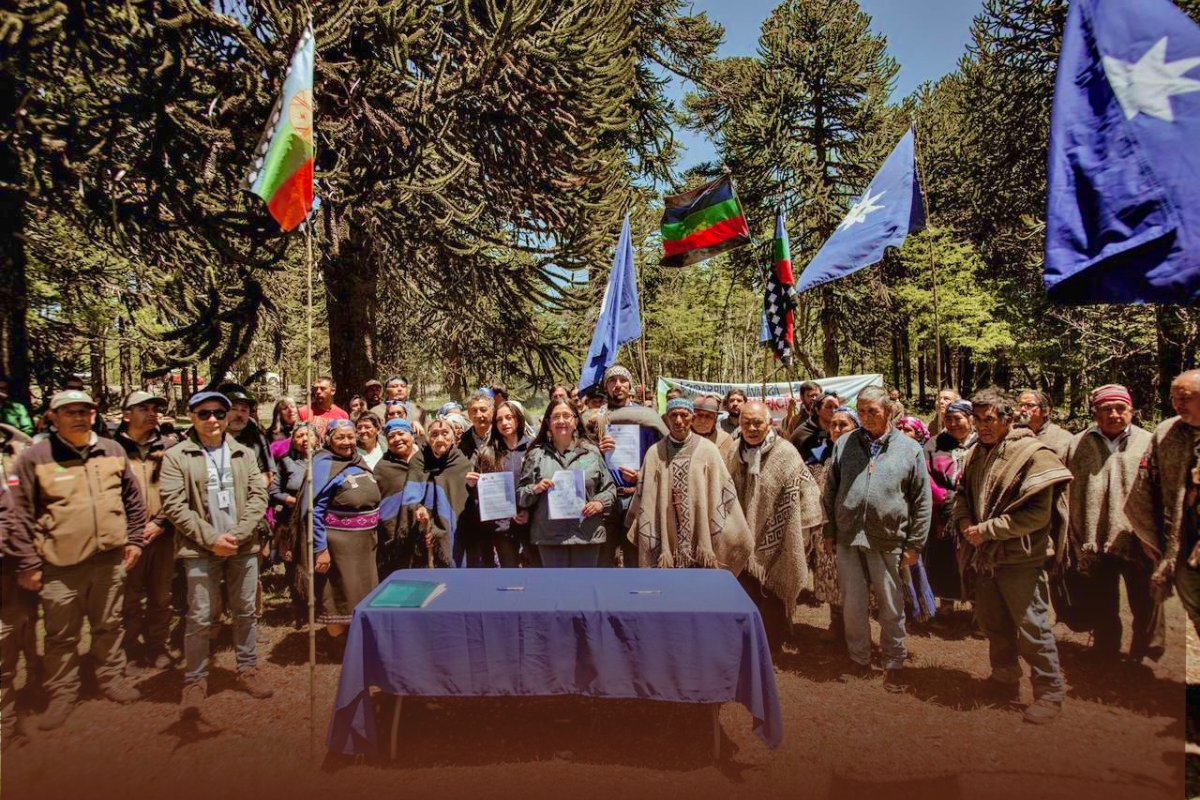
Historic Co-Governance Agreement for Villarrica National Park
In December 2024, more than 13 Mapuche communities and the Chilean government signed a landmark co-governance agreement granting Indigenous Peoples formal territorial rights within Villarrica National Park. This unprecedented framework establishes a shared Governance and Management Council, setting a national precedent for inclusive conservation rooted in Indigenous worldview and stewardship.
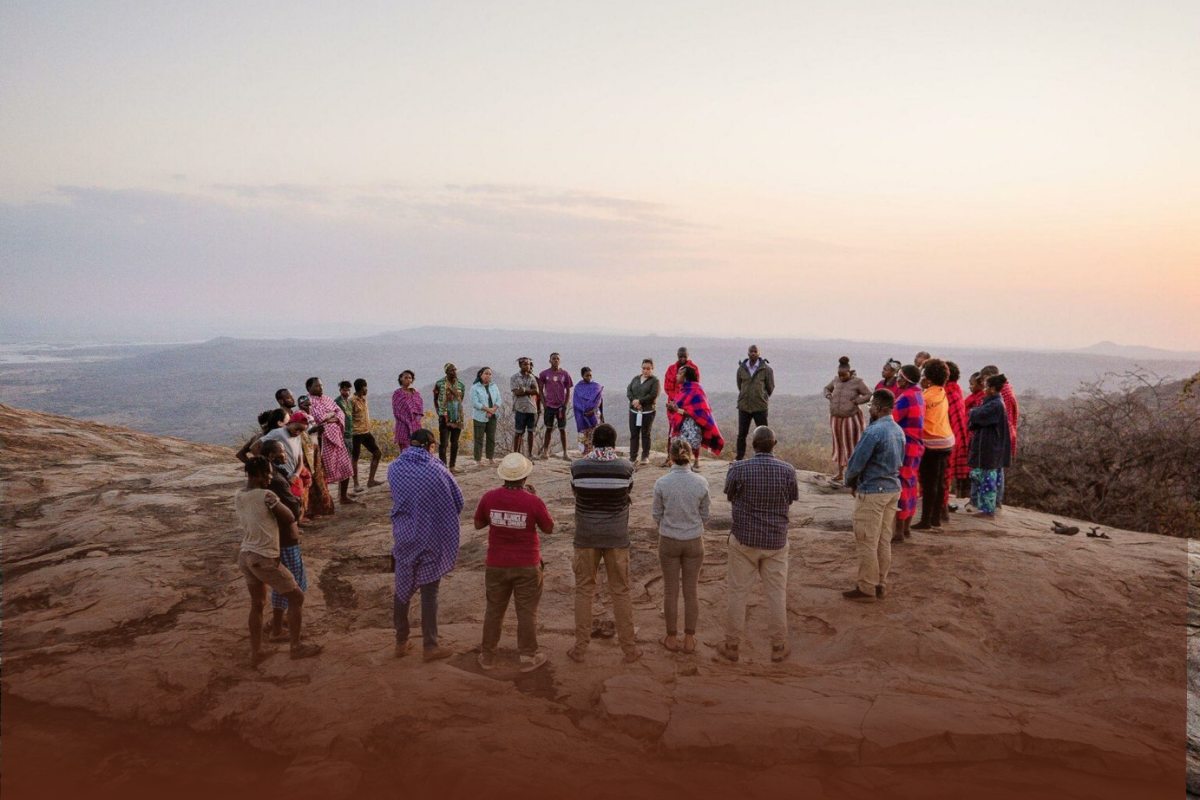
A Journey of Learning and Unity: Reflections from Our Inclusive Conservation Initiative Africa Learning Exchange in Tanzania
The ICI Africa Regional Learning Exchange in Tanzania brought together 37 Indigenous and local community leaders from across Africa to strengthen capacity, share solutions, and advance Indigenous-led conservation under the GEF-funded Inclusive Conservation Initiative. Through workshops, fellow case studies, and immersive visits to the Yaeda Valley and Hadzabe communities, participants demonstrated how secure land tenure, governance, and cultural knowledge drive lasting biodiversity outcomes.
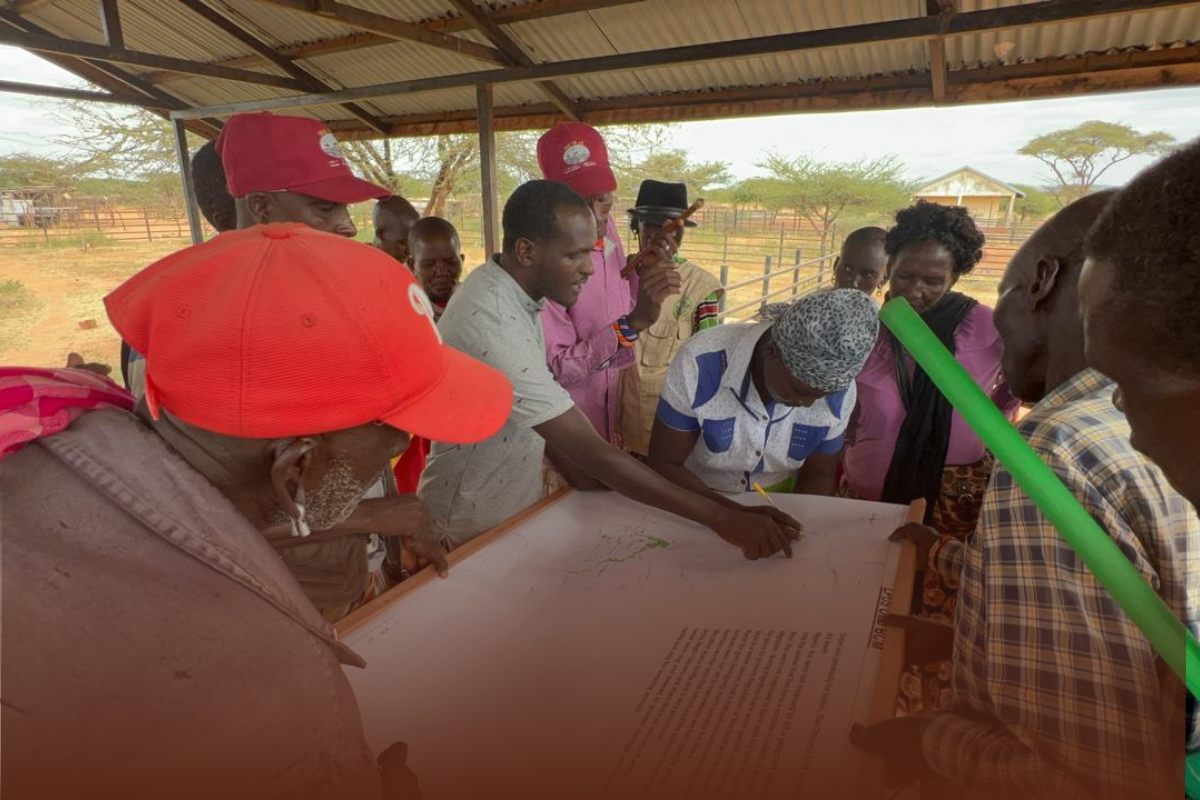
The First Annual Stakeholder Forum for the Inclusive Conservation Initiative in Kenya
At the first Annual ICI Kenya Stakeholder Forum in Nanyuki, Indigenous leaders and conservation partners reviewed Year 1 achievements, including biocultural mapping with 22 communities across the Mid-Ewaso Ng’iro River Basin. The forum catalyzed a shared Manifesto for Inclusive Conservation, reaffirming Indigenous self-determination as the foundation for safeguarding biocultural diversity in Kenya.
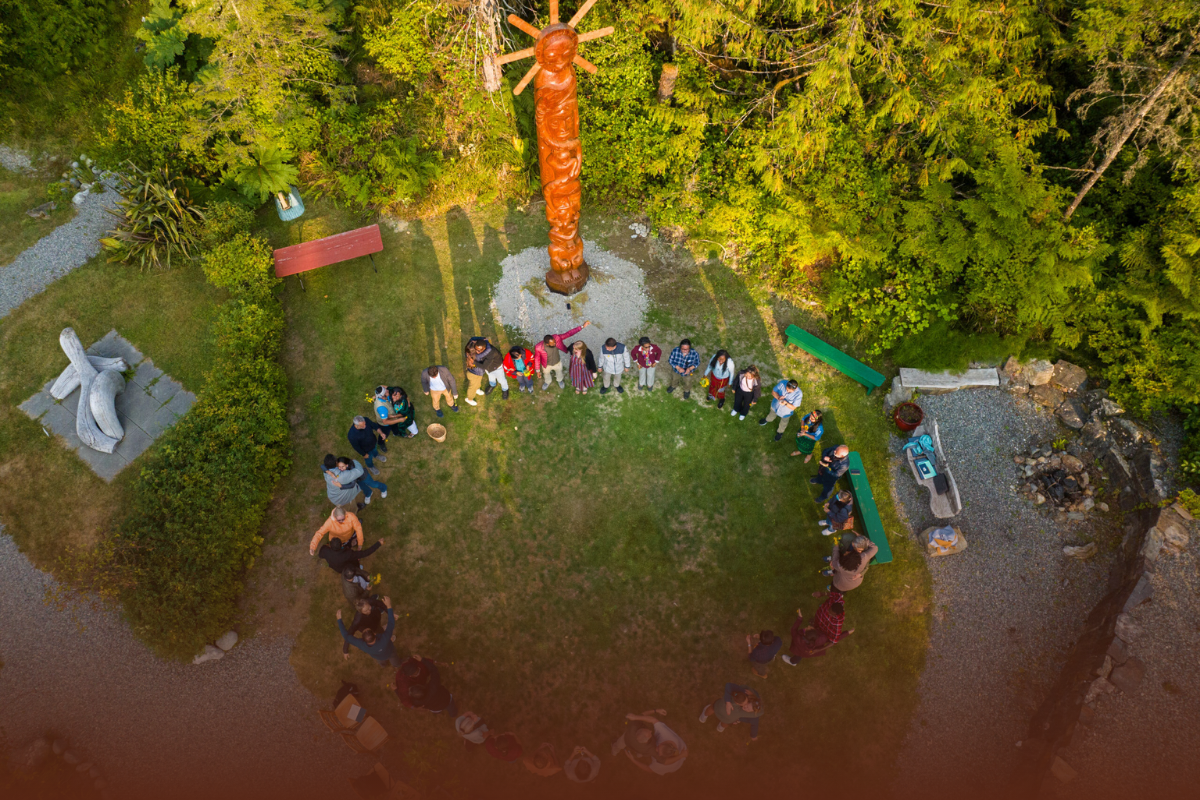
Inclusive Conservation Initiative (ICI) Phase 2 Report: A Focus on Inclusive Finance
The ICI Phase 2 Report highlights how $14.5 million in direct-access agreements are enabling Indigenous Peoples and Local Communities to lead conservation through their own governance systems. Supported by the GEF, the report demonstrates how inclusive finance is transforming biodiversity protection while advancing rights-based, self-determined climate and conservation solutions.
Indigenous Leaders Of ICI Advocate For Inclusion At GEF Assembly
Indigenous leaders from the Inclusive Conservation Initiative (ICI) participated in the GEF Assembly in Vancouver, advocating for inclusive conservation and greater recognition of Indigenous-led initiatives. They highlighted the importance of direct funding, Indigenous governance, and gender equity, while welcoming the launch of the Global Biodiversity Framework Fund (GBFF) to support Indigenous and local communities.
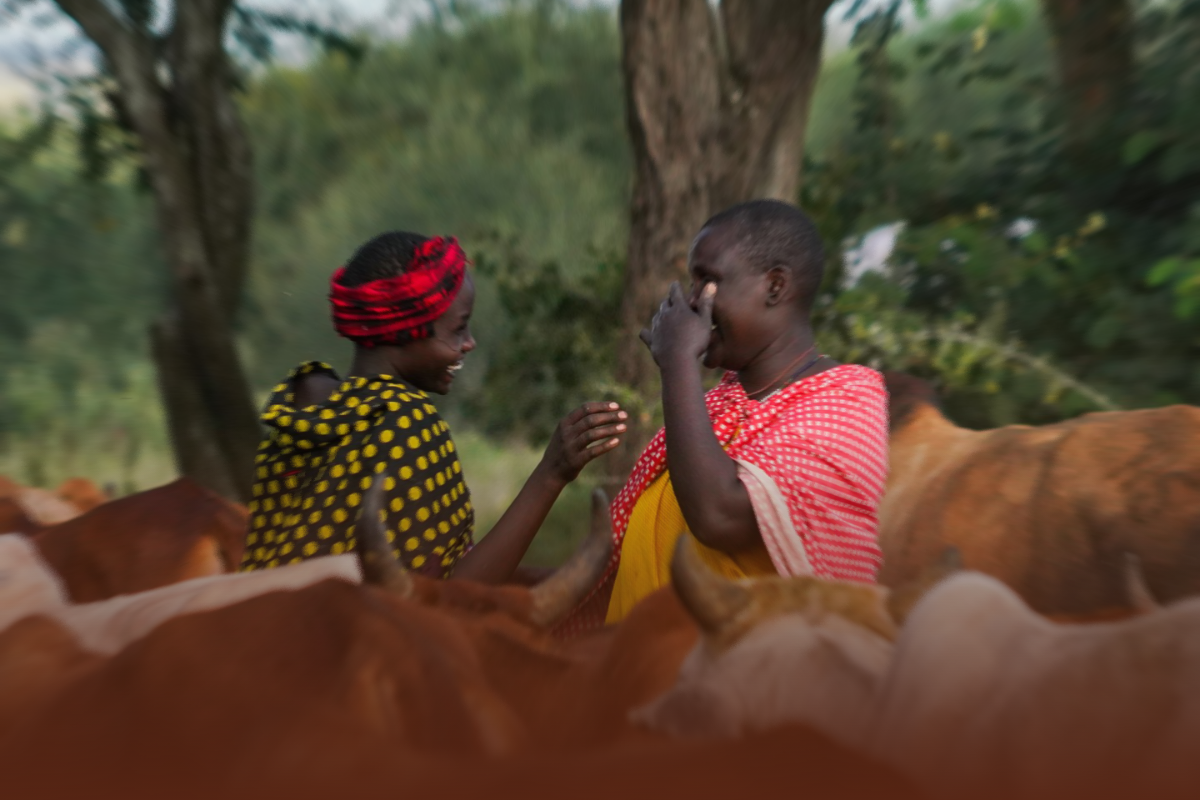
First phase of ICI implementation highlights importance of Indigenous-led conservation and need for increased funding
The Inclusive Conservation Initiative (ICI) Phase One Report showcases the first phase of Indigenous-led conservation efforts, demonstrating their effectiveness in protecting 7.6 million hectares of biodiverse landscapes. The report emphasizes the need for increased funding and adaptive finance mechanisms to support Indigenous Peoples and local communities in stewarding lands, waters, and natural resources globally.
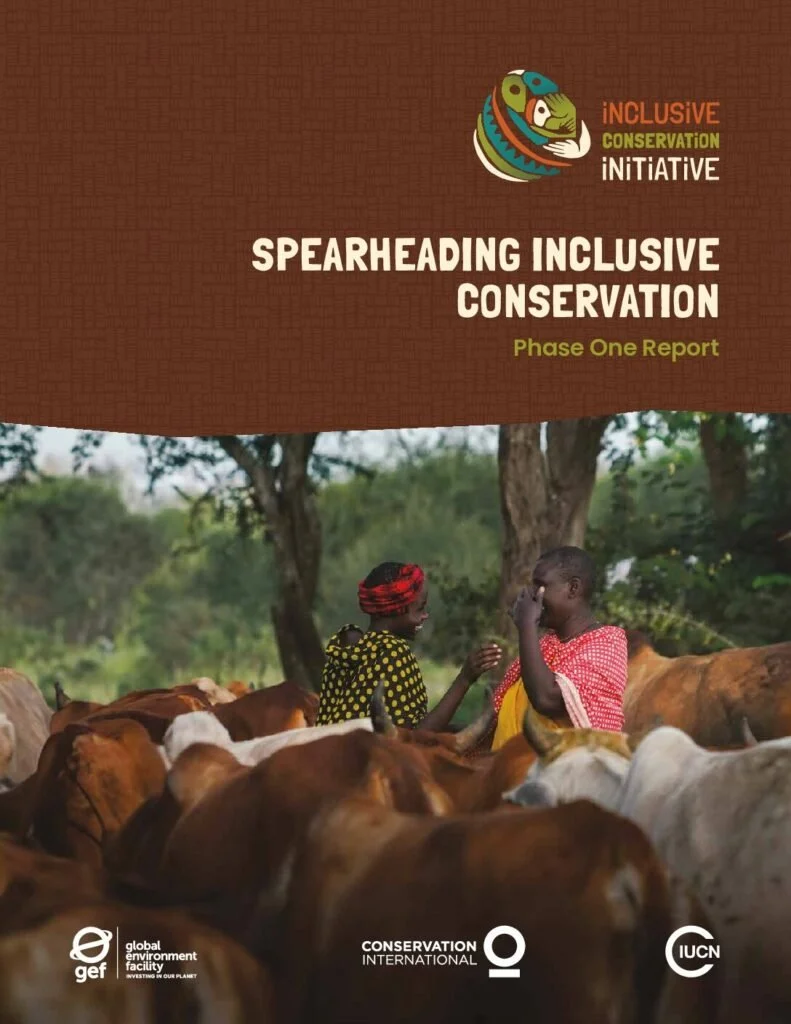
ICI Report | Inclusive Conservation Initiative (ICI) Phase One Report: Spearheading Inclusive Conservation
On 09 August 2023 (International Day of the World’s Indigenous Peoples), the Inclusive Conservation Initiative released its Phase One Report, summarizing the first phase of its implementation, from ideation in December 2019 to implementation status in mid-2023.
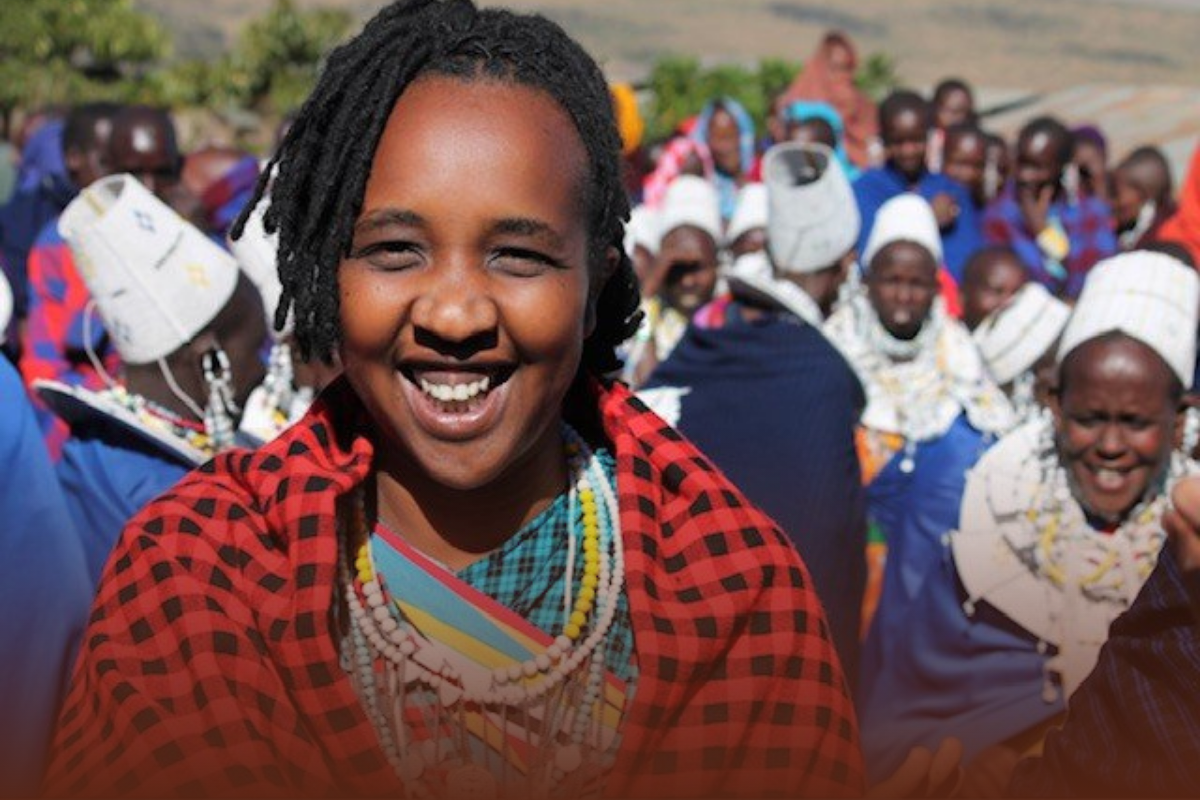
World Day to Combat Desertification and Drought 2023: Her Land. Her Rights.
On this World Day to Combat Desertification and Drought, the theme Her Land. Her Rights highlights the critical role of women in Indigenous communities and their heightened vulnerability to land degradation and water scarcity. Paine Makko of the Ujamaa Community Resource Team reflects on women’s leadership and resilience in her Maasai community, emphasizing the importance of supporting their rights and stewardship.

World Oceans Day 2023: Indigenous and local coastal stewardship changing tides in marine conservation
On World Oceans Day 2023, the Inclusive Conservation Initiative (ICI) highlights how Indigenous Peoples and Local Communities in Panama, Guatemala, and Fiji are leading the sustainable management of marine and coastal ecosystems. Through initiatives by Sotz’il and the Vanua o Lau, communities are strengthening traditional knowledge, governance, and livelihoods to protect biodiversity and address climate change impacts.