
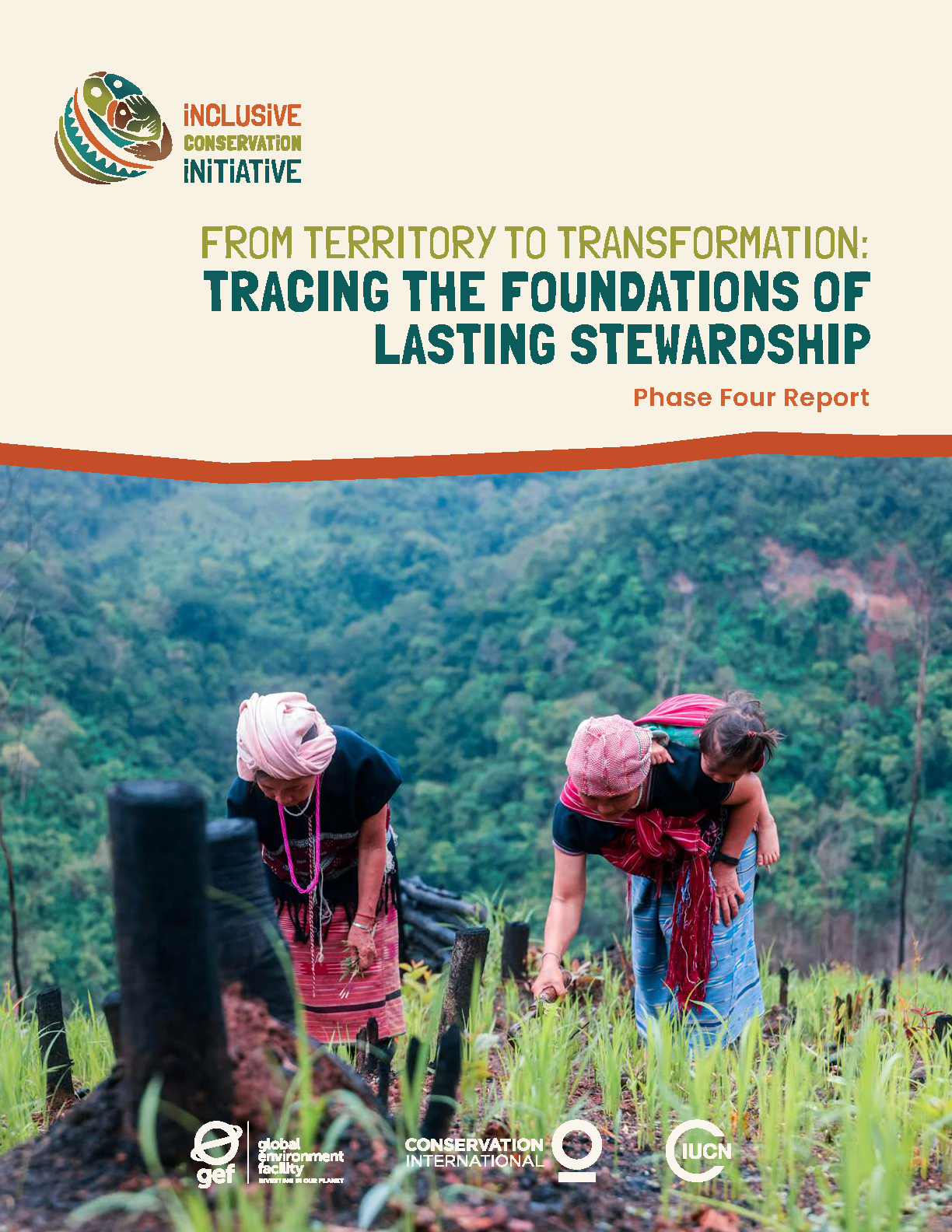
ICI Report | Inclusive Conservation Initiative (ICI) Phase Four Report - From Territory to Transformation: Tracing the Foundations of Lasting Stewardship
The Inclusive Conservation Initiative (ICI) Phase 4 Report provides a comprehensive overview of how direct, long-term financing is supporting Indigenous Peoples (IPs) and Local Communities (LCs) to drive lasting conservation outcomes and territorial transformation. Drawing on four years of implementation across 12 countries, the report highlights how IPs and LCs are strengthening institutions, securing rights and territories, advancing inclusive leadership, and applying their knowledge systems to deliver conservation at scale. Supported by the Global Environment Facility (GEF), the report also demonstrates how Indigenous-led stewardship is helping shape more direct and rights-based approaches to conservation finance.
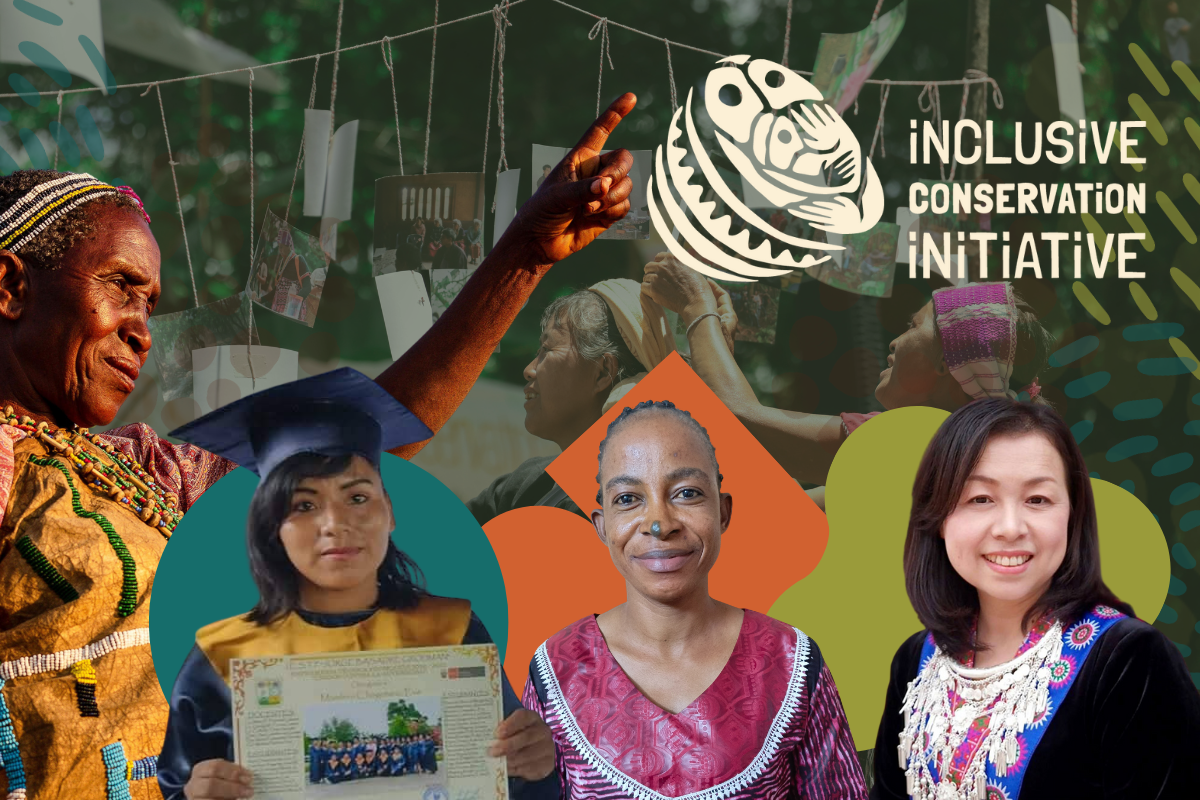
ICI Podcast series: Indigenous Women Redefining Science
This podcast series explores how Indigenous women are reshaping the meaning of science through ancestral knowledge, lived experience, and community leadership. Across regions, the series highlights how Indigenous knowledge systems contribute to biodiversity conservation, health, governance, and cultural continuity, challenging conventional definitions of science and who gets to define it.
Episode Four | Nittaya Earkanna: Ancestral Knowledge Is Science
In the second part of this episode, Nittaya “Mee” Earkanna reflects on intergenerational knowledge, barriers Indigenous women face in accessing leadership and funding, and the role of Indigenous women in shaping more inclusive futures for conservation.
Episode Three, Part One | Nittaya Earkanna: Education, Equality, and Cultural Survival
This episode features Nittaya “Mee” Earkanna, an Indigenous Hmong leader from Thailand, who reflects on the role of identity, language, and ancestral knowledge in shaping conservation, leadership, and cultural s.urvival
Episode Two | Indigenous Women Redefining Science
In this episode of ICI’s Indigenous Women Redefining Science series, Esther Ngalula of ANAPAC (Democratic Republic of Congo) shares how Indigenous Batwa women are combining ancestral knowledge with tools like participatory mapping and GPS to protect biodiversity and strengthen leadership.
Episode One | Indigenous Women Redefining Science
Part of ICI’s podcast series Indigenous Women Redefining Science, this episode takes listeners to the Peruvian Amazon, where Eva Mambiro, an Indigenous nurse and researcher from FENAMAD, shares how ancestral knowledge informs community health, nutrition, and care, demonstrating how science exists in forests, communities, and lived experience.
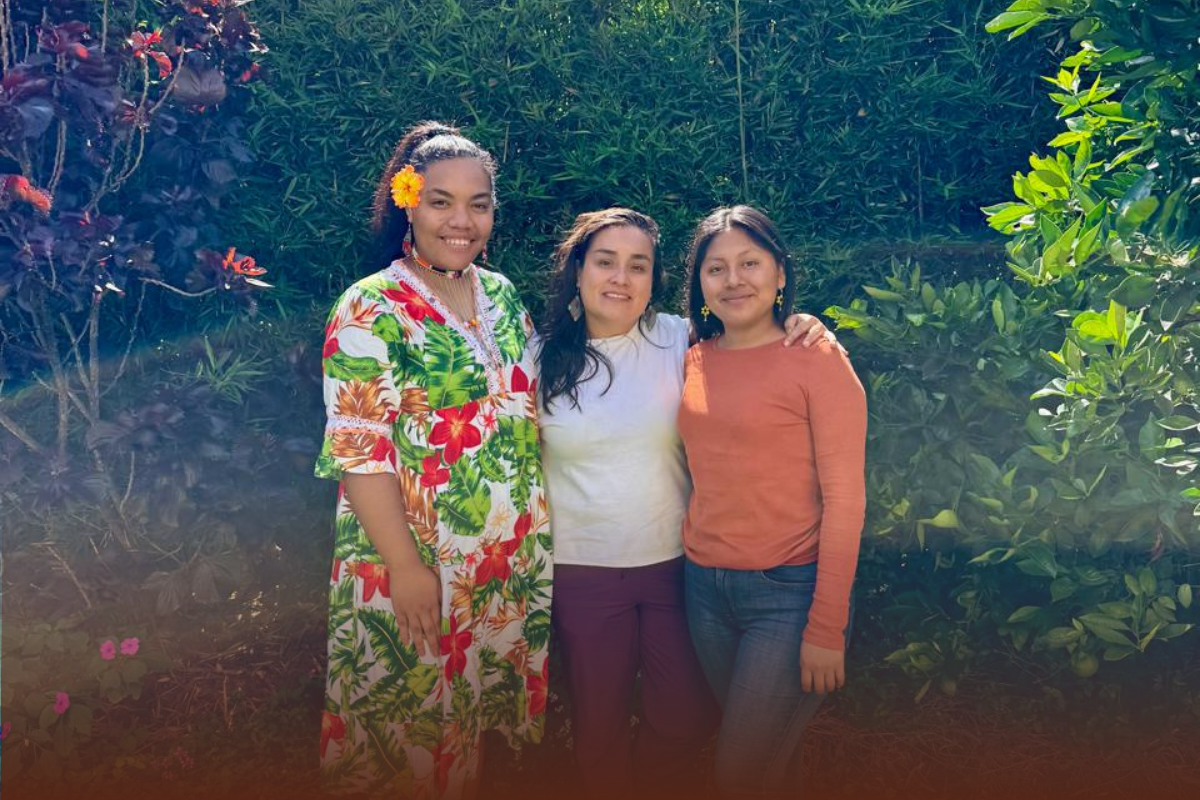
How has long-term fellowship redefined my leadership?
In this reflection, Matauri Miria, a Māori Indigenous leader from the Cook Islands and member of the 2nd cohort of the ICI International Environmental Policy Fellowship, shares how long-term fellowship support reshaped her understanding of leadership through community-based work and the revitalization of traditional taro farming practices.

Living with Change: Community Adaptation and Climate Learning in Northern Thailand
In this reflection, Chanchira Tawangthan, a Phutai Indigenous leader from Thailand and member of the 2nd cohort of the ICI International Environmental Policy Fellowship, shares insights from her work with communities adapting to climate change, highlighting the importance of local knowledge, community resilience, and long-term support.
Turning Traditional Knowledge into Resilience: Through My Fellowship
In this reflection, Sanjog Thakali, a Thakali Indigenous leader from Nepal and member of the 2nd cohort of the ICI International Environmental Policy Fellowship, shares how his fellowship experience strengthened the integration of traditional ecological knowledge with scientific data to support climate resilience and community-led solutions.
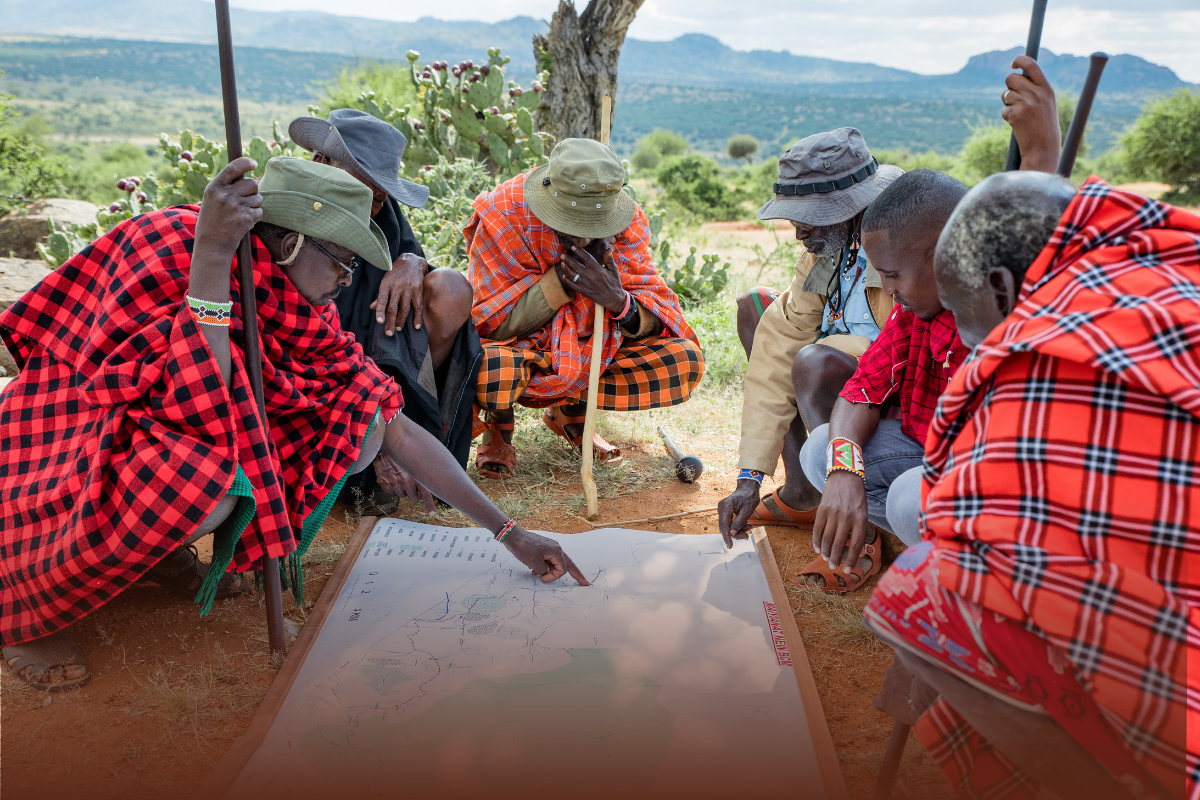
Walking the Talk: Indigenous Leadership Advances Inclusive Conservation Worldwide
Discover how Indigenous Peoples and Local Communities across 10 territories in 12 countries are leading inclusive conservation through biocultural mapping, direct financing, and community-driven governance. The ICI Phase Three report reveals measurable impacts across more than 6 million hectares, proving that Indigenous leadership is delivering durable biodiversity and climate solutions worldwide.
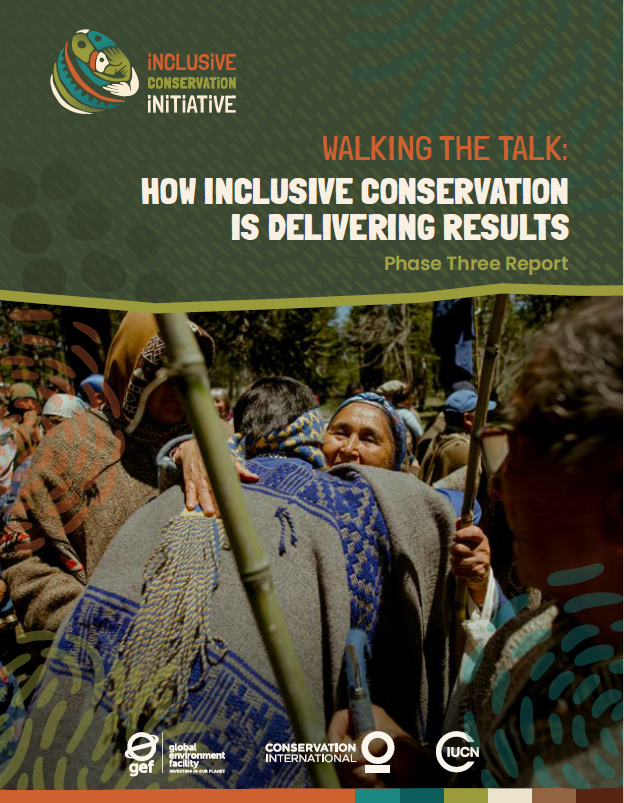
ICI Report | Inclusive Conservation Initiative Phase 3 Report – Walking the Talk: How Inclusive Conservation is Delivering Results
Phase 3 marks ICI’s transition from design to delivery, with Indigenous-led organizations across 12 countries directly managing conservation efforts at scale. The report highlights how Indigenous governance, gender-responsive systems, and culturally grounded monitoring are now shaping national policies and global agendas—offering a replicable model for rights-based, community-led conservation that works. With direct access to finance and decision-making power, they advanced land rights, governance, gender equity, and policy influence—proving that Indigenous-led action is critical to effective, scalable conservation.
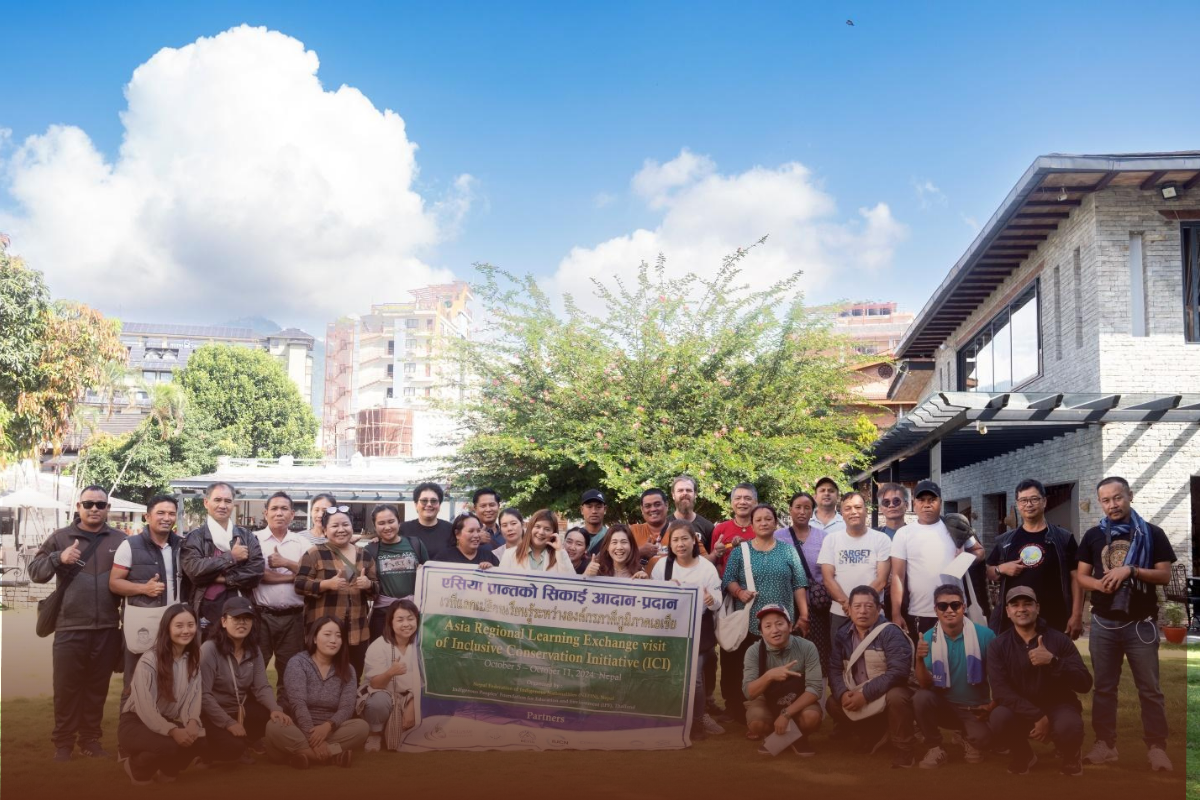
Embracing Indigenous Wisdom: Reflections from the Inclusive Conservation Initiative Asia Regional Learning Exchange in Thini, Nepal
The ICI Asia Regional Learning Exchange in Thini, Nepal brought together more than 100 Indigenous leaders, elders, women, and youth to share knowledge on customary governance, conservation, and biocultural heritage. From sacred ceremonies to field visits in Mustang, the exchange highlighted how Indigenous worldviews and community-led practices are shaping inclusive conservation across Asia.
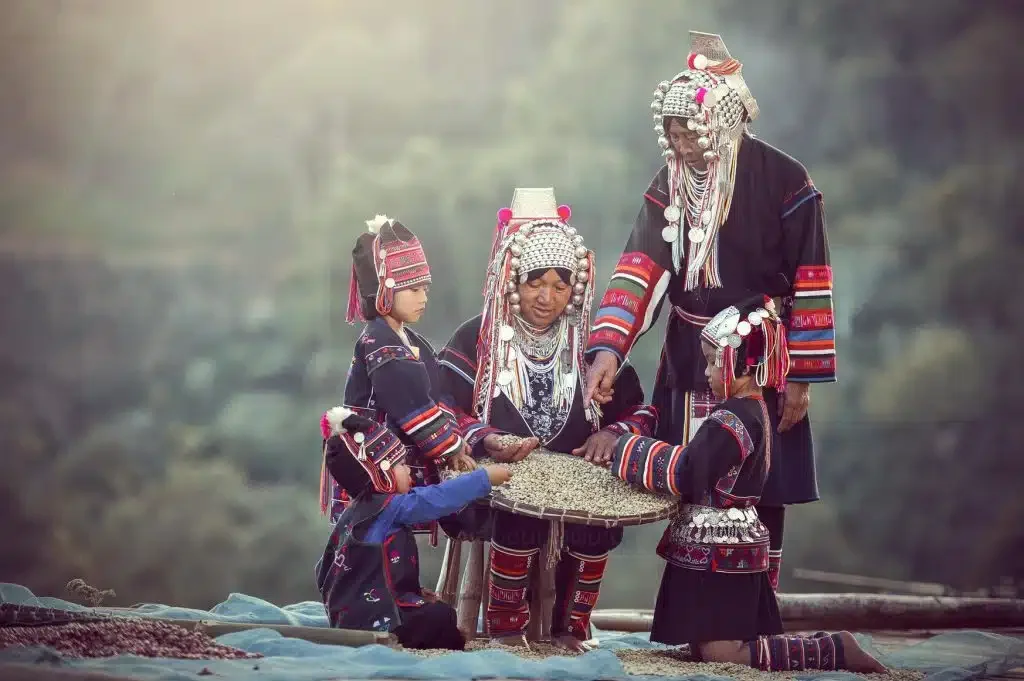
Indigenous Peoples and Local Communities, Gender and Biodiversity Linkages
In this self-paced course, you will explore the connections between gender and biodiversity and learn practical tools to develop gender-responsive approaches and policies for Indigenous Peoples and local communities, aligning with the Kunming-Montreal Global Biodiversity Framework.
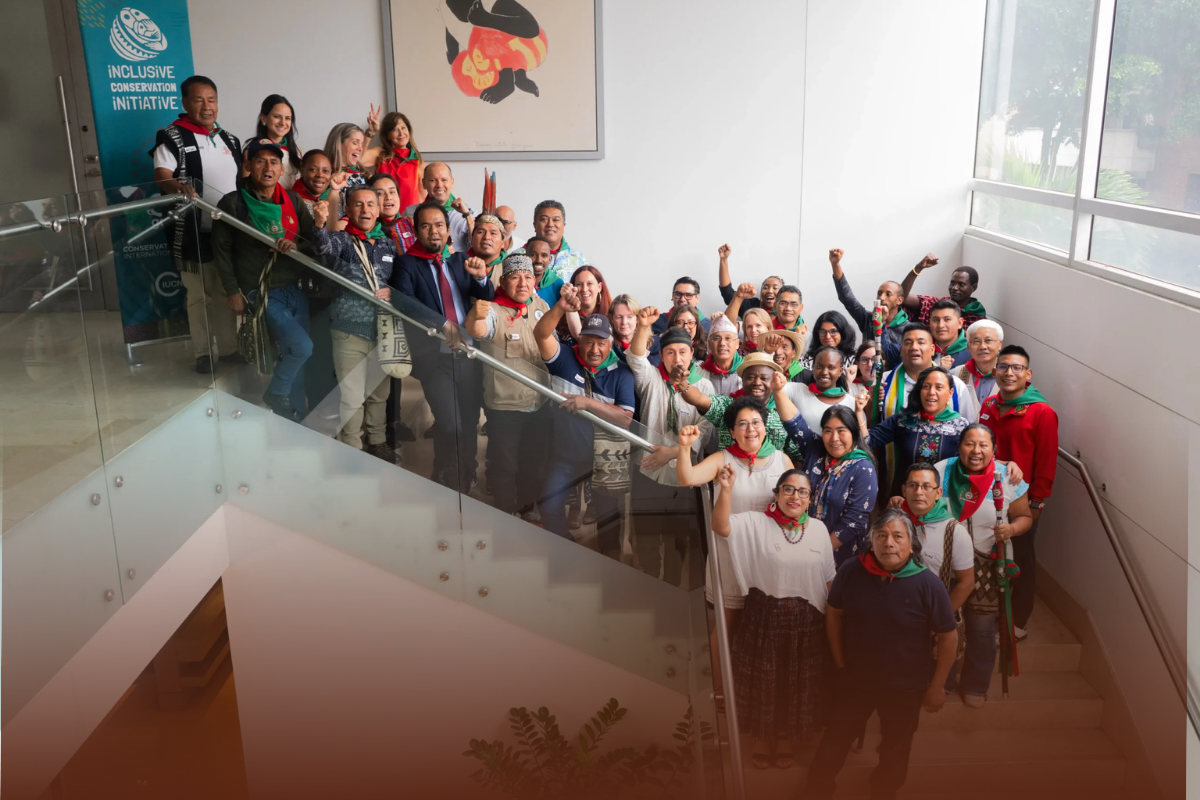
ICI at COP16: Fostering Inclusive Conservation and advancing Indigenous Rights
At COP16 in Cali, Colombia, Indigenous co-chairs of the Inclusive Conservation Initiative demonstrated Indigenous governance in action, reaching consensus on 15 strategic decisions to guide global conservation. Through direct engagement with the GEF and IIFB, ICI leaders advanced the case for Indigenous Peoples and Local Communities as primary decision-makers in biodiversity finance and policy.
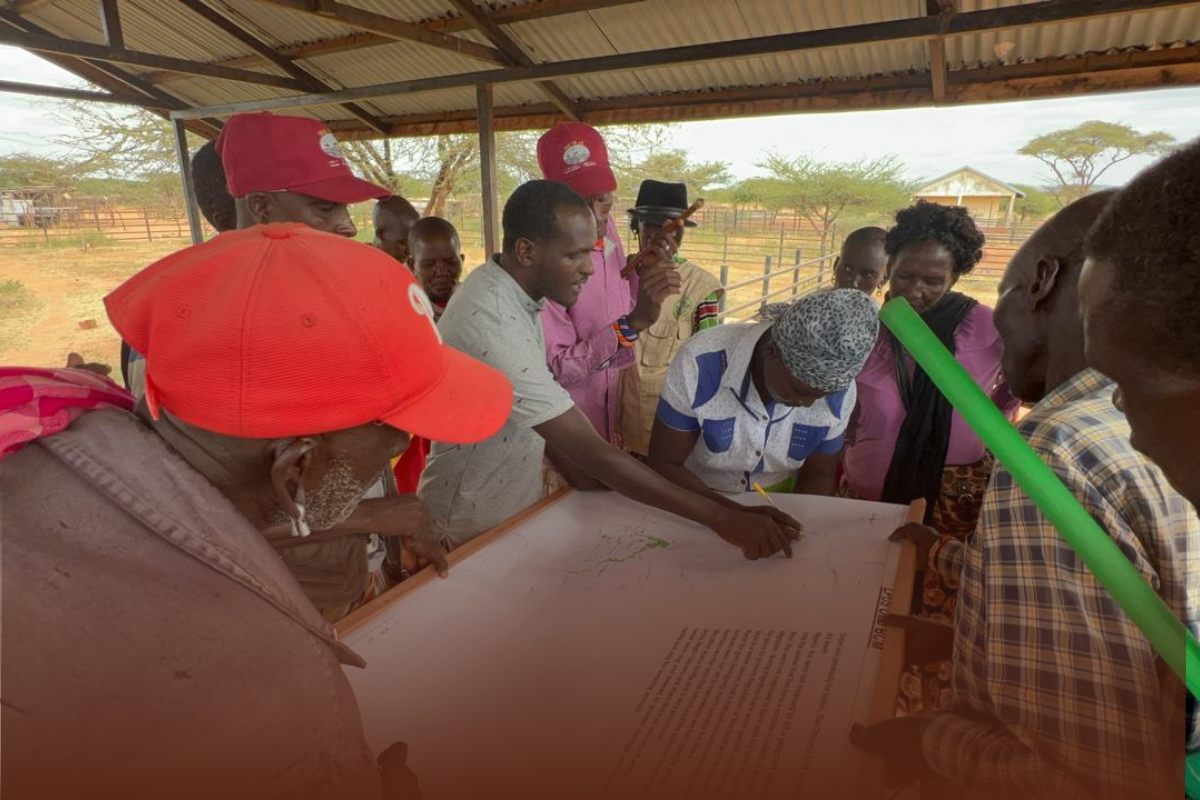
The First Annual Stakeholder Forum for the Inclusive Conservation Initiative in Kenya
At the first Annual ICI Kenya Stakeholder Forum in Nanyuki, Indigenous leaders and conservation partners reviewed Year 1 achievements, including biocultural mapping with 22 communities across the Mid-Ewaso Ng’iro River Basin. The forum catalyzed a shared Manifesto for Inclusive Conservation, reaffirming Indigenous self-determination as the foundation for safeguarding biocultural diversity in Kenya.
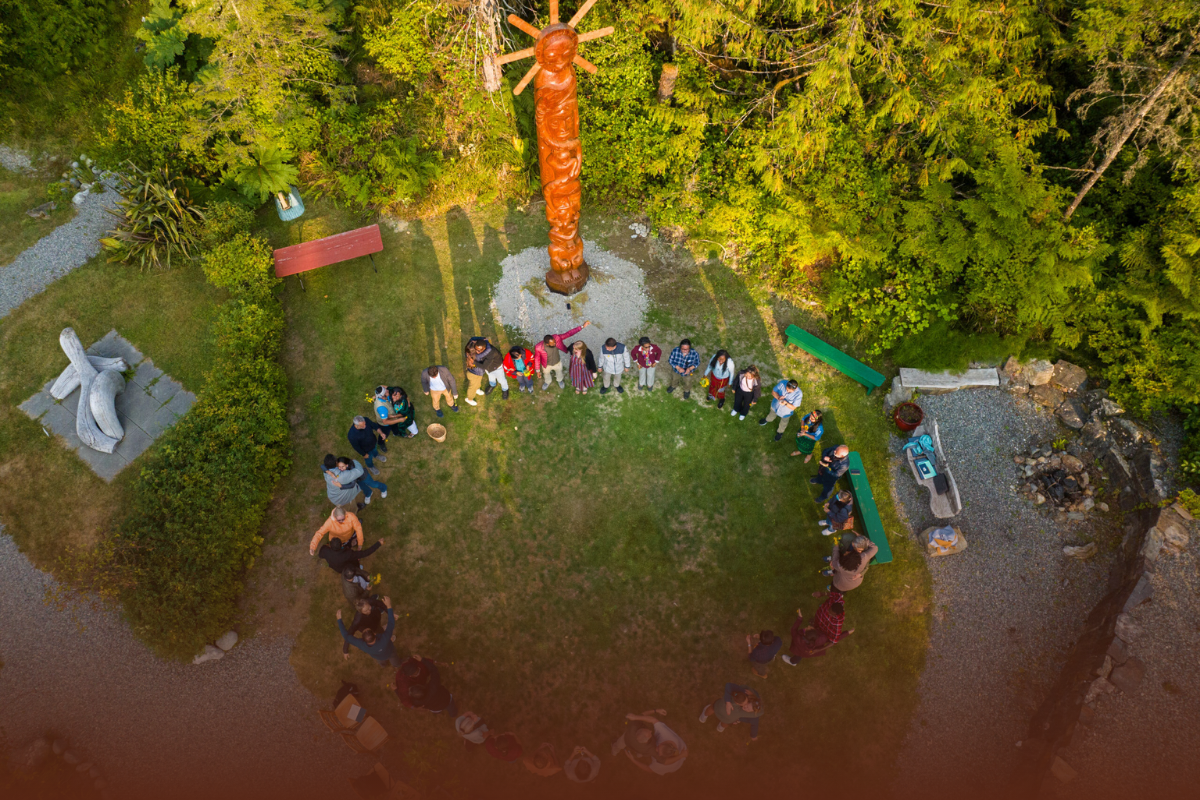
Inclusive Conservation Initiative (ICI) Phase 2 Report: A Focus on Inclusive Finance
The ICI Phase 2 Report highlights how $14.5 million in direct-access agreements are enabling Indigenous Peoples and Local Communities to lead conservation through their own governance systems. Supported by the GEF, the report demonstrates how inclusive finance is transforming biodiversity protection while advancing rights-based, self-determined climate and conservation solutions.
Indigenous Leaders Of ICI Advocate For Inclusion At GEF Assembly
Indigenous leaders from the Inclusive Conservation Initiative (ICI) participated in the GEF Assembly in Vancouver, advocating for inclusive conservation and greater recognition of Indigenous-led initiatives. They highlighted the importance of direct funding, Indigenous governance, and gender equity, while welcoming the launch of the Global Biodiversity Framework Fund (GBFF) to support Indigenous and local communities.
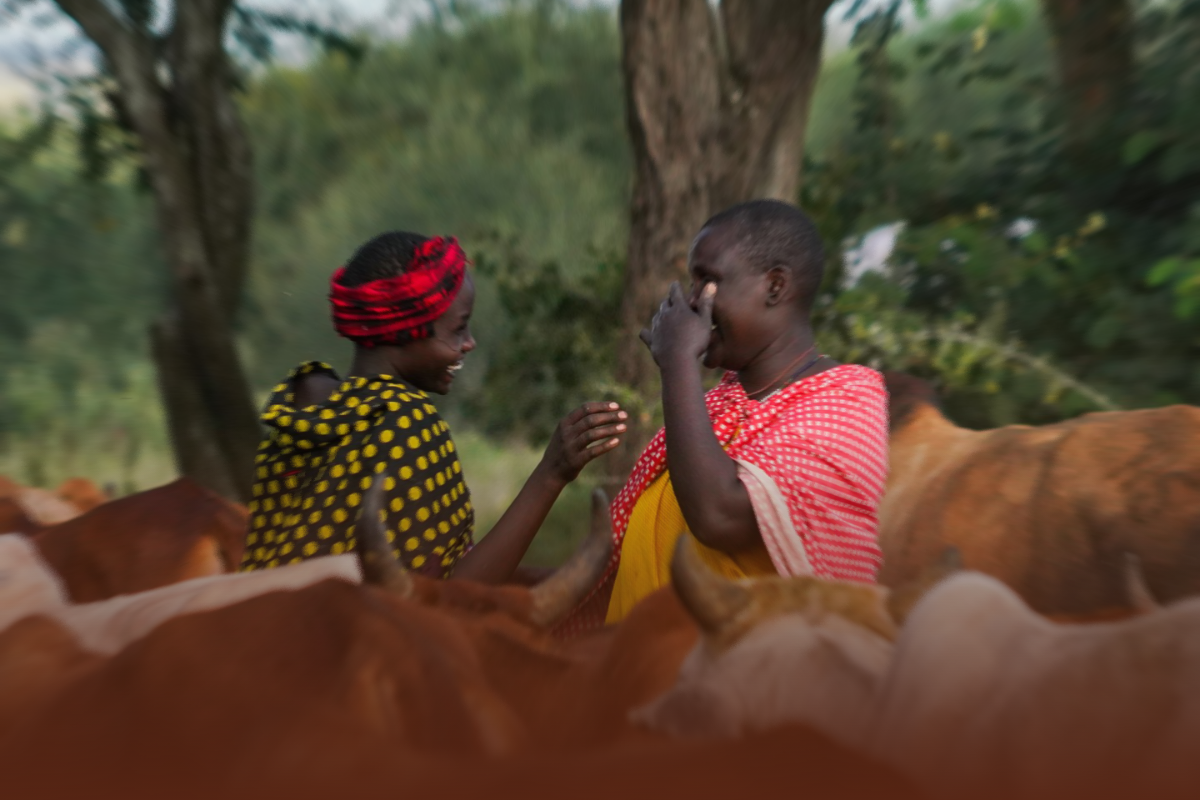
First phase of ICI implementation highlights importance of Indigenous-led conservation and need for increased funding
The Inclusive Conservation Initiative (ICI) Phase One Report showcases the first phase of Indigenous-led conservation efforts, demonstrating their effectiveness in protecting 7.6 million hectares of biodiverse landscapes. The report emphasizes the need for increased funding and adaptive finance mechanisms to support Indigenous Peoples and local communities in stewarding lands, waters, and natural resources globally.
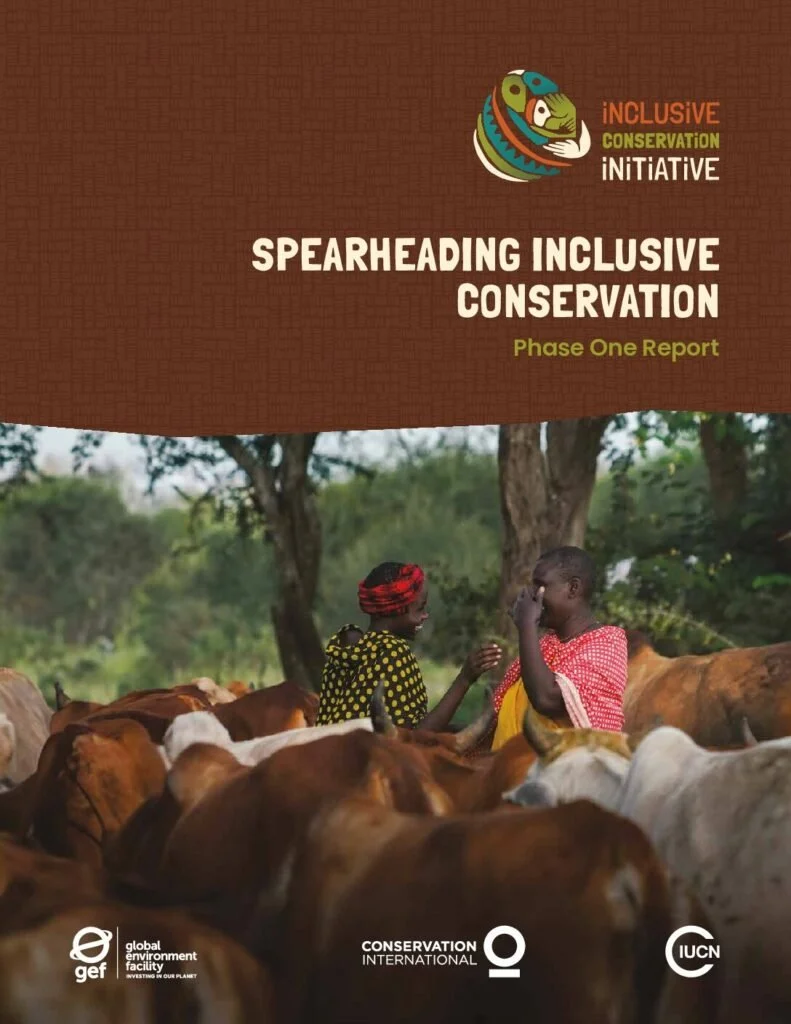
ICI Report | Inclusive Conservation Initiative (ICI) Phase One Report: Spearheading Inclusive Conservation
On 09 August 2023 (International Day of the World’s Indigenous Peoples), the Inclusive Conservation Initiative released its Phase One Report, summarizing the first phase of its implementation, from ideation in December 2019 to implementation status in mid-2023.
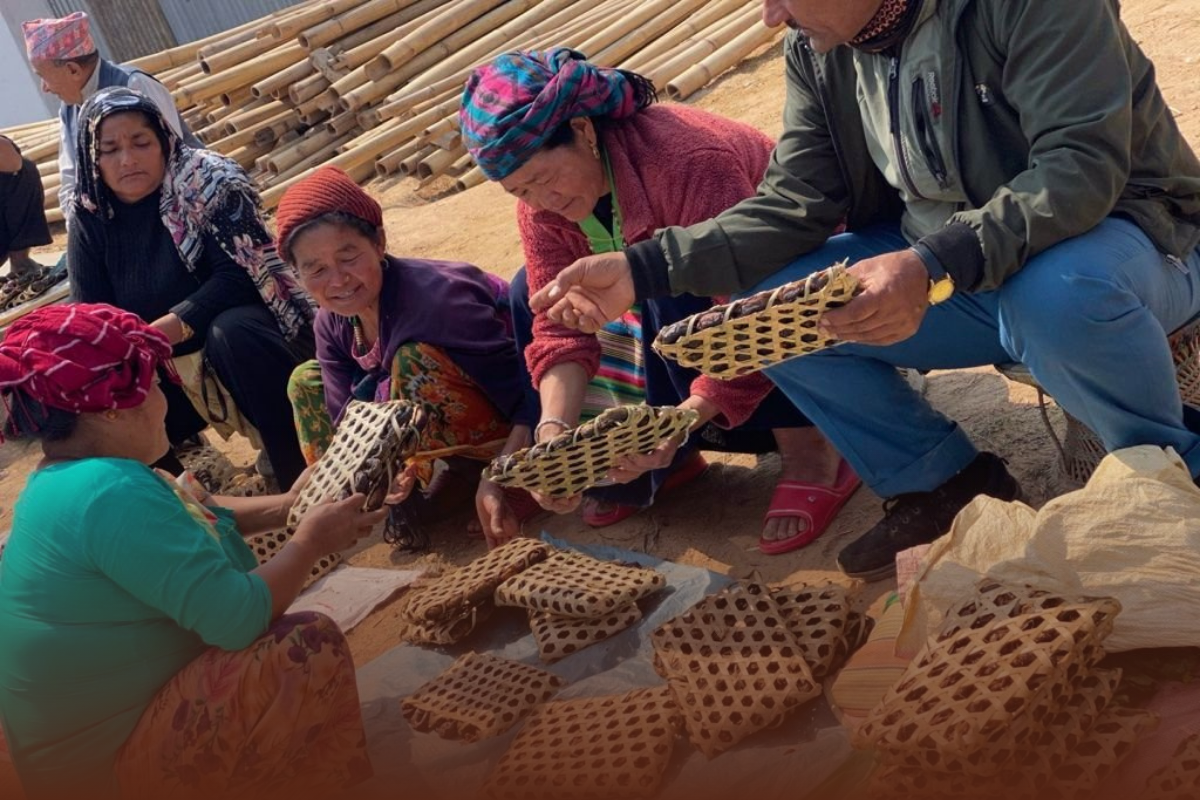
Earth Day 2023: Inclusive conservation invests in Indigenous and local women
On Earth Day 2023, the Inclusive Conservation Initiative (ICI) highlights how Indigenous and local women are leading natural resource management and conservation across the DRC, Nepal, and Meso-America. By strengthening governance, technical skills, and intergenerational knowledge transfer, ICI invests in women as key actors in sustainable, culturally grounded environmental stewardship.