

Languages: English, French, and Spanish
Estimated effort: 24 hours total
Course type: Self-paced course
Duration: 8 modules
Partners: Inclusive Conservation Initiative, Global Environment Facility (GEF), Conservation International (CI), and International Union for Conservation of Nature (IUCN)
About the course
The course aims to empower Indigenous Peoples and local communities with the knowledge, rights-based frameworks, and practical negotiation skills needed to secure just and equitable Impact and Benefit-Sharing Agreements (IBAs). It is offered by the Makanisi Learning Academy of the Inclusive Conservation Initiative (ICI) , in partnership with UNDP’s Learning for Nature Programme, the Global Environment Facility (GEF), Conservation International (CI) and the International Union for Conservation of Nature (IUCN).
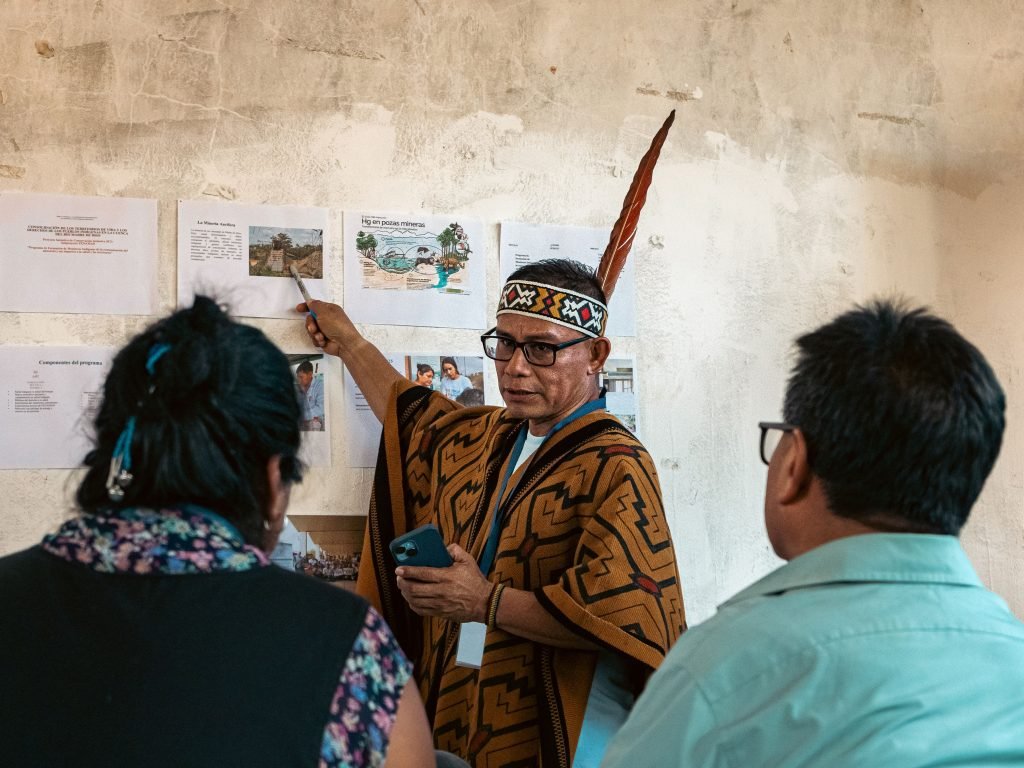
This course is designed for representatives of Indigenous Peoples and local communities who are interested in negotiations and benefit-sharing, including Indigenous leaders, community representatives, and advocates working on the frontlines of development conflicts. It aims to equip them to protect their lands, territories, and rights when faced with mining, agriculture, ecotourism, or conservation projects. It is open to everyone.
Course highlights and outcomes
By the time you complete the course, you will be able to:
Define key concepts in Indigenous negotiations, including Impact and Benefit-Sharing Agreements (IBAs), distributive vs. integrative negotiation, and FPIC
Identify and apply relevant international legal frameworks protecting the rights of Indigenous Peoples and local communities
Assess national and local legal contexts and their implications for negotiations
Organize and strengthen community unity, governance, and strategic alliances in preparation for negotiations
Evaluate Environmental and Social Impact Assessments and influence ESIA processes to protect community interests
Recognize and respond to common negotiation tactics, including intimidation and divide-and-conquer strategies
Analyze different types of agreements and payment arrangements and identify warning signs of unfair terms
Design monitoring systems to ensure agreement implementation and accountability
Assess risks and opportunities in REDD+ and carbon projects and negotiate fair carbon agreements
Course topics
The course consists of three modules:
Module 1: Indigenous Peoples and Local Communities, Negotiations and Benefit-Sharing Agreements
Module 2: Deciding to Negotiate: Understanding Rights and Legal Frameworks
Module 3: Preparing to Negotiate
Module 4: Environmental and Social Impact Assessments
Module 5: Negotiation Tactics
Module 6: Principles of a Good Agreement
Module 7: Implementing Agreements and Maintaining Relationships
Module 8: Negotiating REDD+ Carbon Agreements
Course completion requirements
To receive the certificate of course completion, you must:
Complete all 19 lessons (across 8 modules)
Pass eight quizzes (one per module)
Complete the course survey
Click Enroll to register today.
